Foot Care for Osteoarthritis

Osteoarthritis commonly affects the joints in the feet and ankles. There are many non-surgical ways to manage the pain from this ailment. For example, you can receive steroid injections at the site of the joint. Anti-inflammatory medications and pain relieving drugs are also known to help. Pads, arch supports, canes, braces or specialized orthotics could prove to be beneficial while walking and remaining active. Many patients also attend physical therapy to strengthen their feet and ankles. Additionally, losing weight may help with arthritic symptoms. One of the most essential elements of caring for arthritic feet is wearing the correct shoes. Make sure your shoes are shaped like your foot, have rubber soles, have support, fit properly and allow for flexible movement. Another helpful tip is to stretch the Achilles tendon and toes in order to minimize foot pain. If these methods are not improving osteoarthritis discomfort, surgery may be a viable option. If you have any questions about how osteoarthritis influences your feet and ankles, schedule a consultation with a podiatrist.

Arthritis can be a difficult condition to live with. If you are seeking treatment, contact Dr. Kennedy Legel from Advanced Foot & Ankle Care Specialists. Our doctor can provide the care you need to keep you pain-free and on your feet.

Arthritic Foot Care  

Arthritis is a term that is commonly used to describe joint pain.  The condition itself can occur to anyone of any age, race, or gender, and there are over 100 types of it.  Nevertheless, arthritis is more commonly found in women compared to men, and it is also more prevalent in those who are overweight. The causes of arthritis vary depending on which type of arthritis you have. Osteoarthritis for example, is often caused by injury, while rheumatoid arthritis is caused by a misdirected immune system.

Symptoms

  • Swelling
  • Pain
  • Stiffness
  • Decreased Range of Motion

Arthritic symptoms range in severity, and they may come and go. Some symptoms stay the same for several years but could potentially get worse with time. Severe cases of arthritis can prevent its sufferers from performing daily activities and make walking difficult.

Risk Factors

  • Occupation – Occupations requiring repetitive knee movements have been linked to osteoarthritis
  • Obesity – Excess weight can contribute to osteoarthritis development
  • Infection – Microbial agents can infect the joints and trigger arthritis
  • Joint Injuries – Damage to joints may lead to osteoarthritis
  • Age – Risk increases with age
  • Gender –Most types are more common in women
  • Genetics – Arthritis can be hereditary

If you suspect your arthritis is affecting your feet, it is crucial that you see a podiatrist immediately. Your doctor will be able to address your specific case and help you decide which treatment method is best for you.

If you have any questions please feel free to contact our office located in Dallas, TX . We offer the newest diagnostic tools and technology to treat your foot and ankle needs.

Read more about How to Care for Your Arthritic Foot

Flat Feet and Babies

When babies are born, the foot bones have not fully developed, and the feet are generally flexible. It is beneficial for toddlers to walk barefoot while indoors, because this helps the feet to become strong as the toes grasp the floor. When shoes are worn outside, they should fit correctly, and be constructed of a breathable material. It is beneficial to measure your child’s feet every three months up to age three. This is helpful in choosing the correct size shoes, which should have adequate room for the toes to move freely in. Flat feet is a common condition that babies are born with, and will typically outgrow by the age of seven. If you notice your child is walking with their toes pointed inward or outward, it is suggested to schedule a consultation with a podiatrist who can properly diagnose any foot condition.

Making sure that your children maintain good foot health is very important as they grow. If you have any questions, contact Dr. Kennedy Legel of Advanced Foot & Ankle Care Specialists. Our doctor can provide the care you need to keep you pain-free and on your feet.

Keeping Children's Feet Healthy

Having healthy feet during childhood can help prevent medical problems later in life, namely in the back and legs. As children grow, their feet require different types of care. Here are some things to consider...

Although babies do not walk yet, it is still very important to take care of their feet.

Avoid putting tight shoes or socks on his or her feet.

Allow the baby to stretch and kick his or her feet to feel comfortable.

As a toddler, kids are now on the move and begin to develop differently. At this age, toddlers are getting a feel for walking, so don’t be alarmed if your toddler is unsteady or ‘walks funny’. 

As your child gets older, it is important to teach them how to take care of their feet.

Show them proper hygiene to prevent infections such as fungus.

Be watchful for any pain or injury.

Have all injuries checked by a doctor as soon as possible.

Comfortable, protective shoes should always be worn, especially at play.

If you have any questions, please feel free to contact our office located in Dallas, TX . We offer the newest diagnostic and treatment technologies for all your foot care needs.

Read more about How to Care for Your Child's Feet

Symptoms of Toenail Fungus

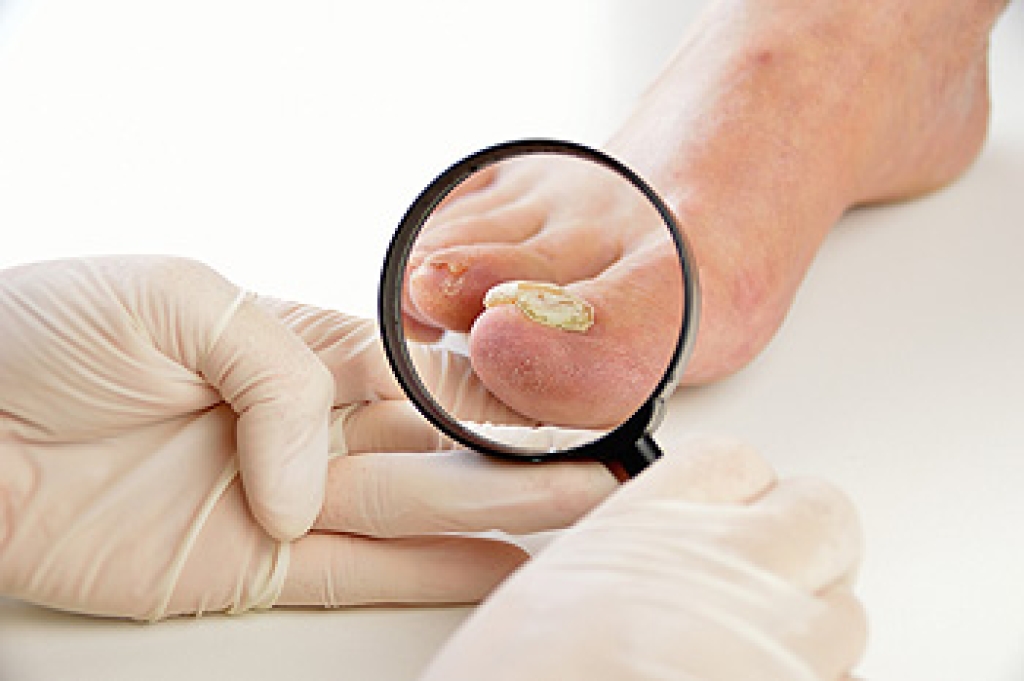
The medical term for toenail fungus is onychomycosis. This type of fungus typically lives and thrives in warm and moist environments, which often include public swimming pools, locker rooms, and shower room floors. It is considered to be contagious, and appropriate shoes should be worn while in these areas. There may be existing medical conditions that precede the development of toenail fungus. These can include diabetes, a weakened immune system, or a possible skin injury around the nail and surrounding areas. Some of the symptoms that are associated with this condition often include yellow or white streaks on the nail, brittleness of the nail, and some patients may lose the nail. If you notice symptoms of toenail fungus, it is suggested that you speak to a podiatrist who can properly treat this condition.

For more information about treatment, contact Dr. Kennedy Legel of Advanced Foot & Ankle Care Specialists. Our doctor can provide the care you need to keep you pain-free and on your feet.

Toenail Fungus Treatment

Toenail fungus is a condition that affects many people and can be especially hard to get rid of. Fortunately, there are several methods to go about treating and avoiding it.

Antifungals & Deterrence

Oral antifungal medicine has been shown to be effective in many cases. It is important to consult with a podiatrist to determine the proper regiment for you, or potentially explore other options.

Applying foot powder on the feet and shoes helps keep the feet free of moisture and sweat.

Sandals or open toed shoes – Wearing these will allow air movement and help keep feet dry. They also expose your feet to light, which fungus cannot tolerate. Socks with moisture wicking material also help as well.

If you have any questions please contact our office located in Dallas, TX . We offer the newest diagnostic and treatment technologies for all your foot and ankle needs.

Read more about How to Treat Your Toenail Fungus

Diabetic Foot Care and Amputation Prevention

Diabetic limb salvage is often suggested when a person with diabetes has a limb amputated. Diabetic effects can lead to poor circulation of blood flow in the limbs, which can eventually result in that limb being amputated. This can often happen to the feet. Some foot problems that result from diabetes include foot ulcers and peripheral neuropathy. If you have diabetes, it is important to take note if potential foot problems arise from disturbances in the skin, bones, nails, nerves, muscles, and blood vessels.  If you are diabetic and would like to prevent any future need for diabetic limb salvage, see a podiatrist regularly to stay on top of any potential issues. 

Diabetic foot care is important in preventing foot ailments such as ulcers. If you are suffering from diabetes or have any other concerns about your feet, contact Dr. Kennedy Legel from Advanced Foot & Ankle Care Specialists. Our doctor can provide the care you need to keep you pain-free and on your feet.

Diabetic Foot Care

Diabetes affects millions of people every year. The condition can damage blood vessels in many parts of the body, especially the feet. Because of this, taking care of your feet is essential if you have diabetes, and having a podiatrist help monitor your foot health is highly recommended.

The Importance of Caring for Your Feet

  • Routinely inspect your feet for bruises or sores.
  • Wear socks that fit your feet comfortably.
  • Wear comfortable shoes that provide adequate support.

Patients with diabetes should have their doctor monitor their blood levels, as blood sugar levels play such a huge role in diabetic care. Monitoring these levels on a regular basis is highly advised.

It is always best to inform your healthcare professional of any concerns you may have regarding your feet, especially for diabetic patients. Early treatment and routine foot examinations are keys to maintaining proper health, especially because severe complications can arise if proper treatment is not applied.

If you have any questions, please feel free to contact our office located in Dallas, TX . We offer the newest diagnostic and treatment technologies for all your foot care needs.

Read more about Diabetic Foot Conditions

Where Does Morton’s Neuroma Produce Pain?

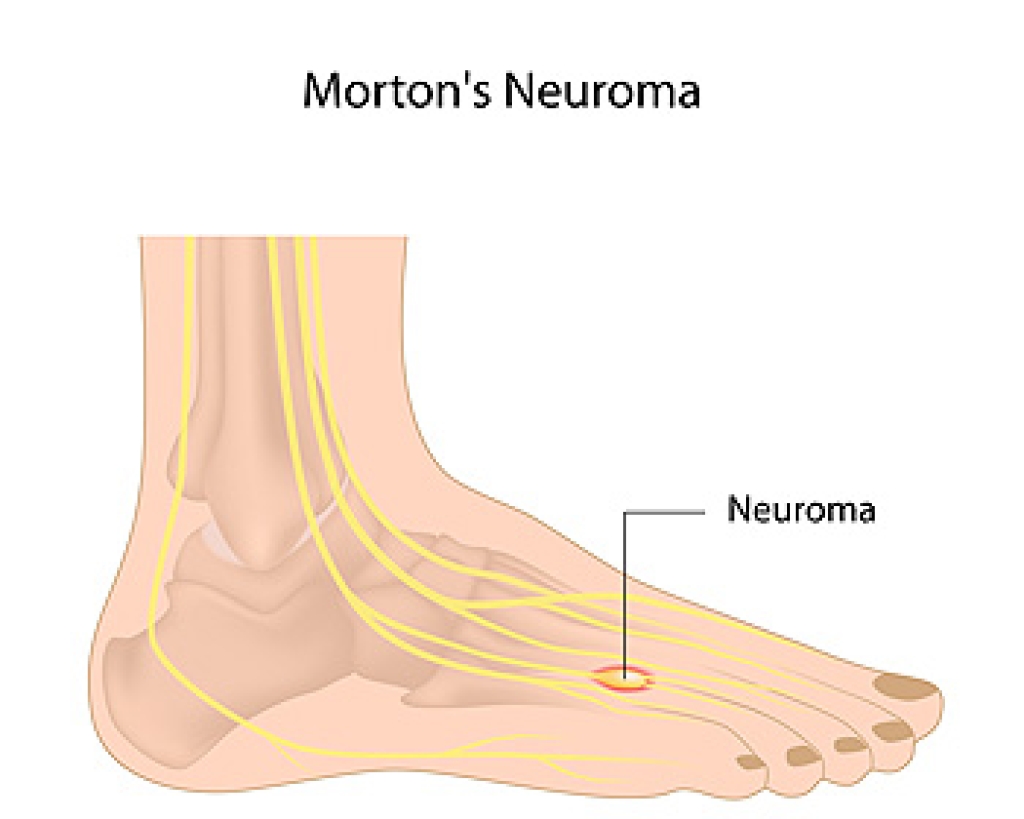
If you are experiencing pain between the third and fourth toes, you may have a condition that is referred to as Morton’s neuroma. It is defined as a portion of nerve tissue that forms in the foot and can cause pain and discomfort. The pain can also be felt in the ball of the foot and exercising the foot may bring mild relief. Additionally, many patients have found that changing their footwear may help to alleviate a portion of the pain. This condition may develop as a result of frequently wearing high heels or participating in certain sporting activities. In severe cases, surgery may be necessary to remove the affected nerve. If you have this type of pain, it is suggested to consult with a podiatrist who can recommend the treatment that is correct for you.

Morton’s neuroma is a very uncomfortable condition to live with. If you think you have Morton’s neuroma, contact Dr. Kennedy Legel of Advanced Foot & Ankle Care Specialists. Our doctor will attend to all of your foot care needs and answer any of your related questions.  

Morton’s Neuroma

Morton's neuroma is a painful foot condition that commonly affects the areas between the second and third or third and fourth toe, although other areas of the foot are also susceptible. Morton’s neuroma is caused by an inflamed nerve in the foot that is being squeezed and aggravated by surrounding bones.

What Increases the Chances of Having Morton’s Neuroma?

  • Ill-fitting high heels or shoes that add pressure to the toe or foot
  • Jogging, running or any sport that involves constant impact to the foot
  • Flat feet, bunions, and any other foot deformities

Morton’s neuroma is a very treatable condition. Orthotics and shoe inserts can often be used to alleviate the pain on the forefront of the feet. In more severe cases, corticosteroids can also be prescribed. In order to figure out the best treatment for your neuroma, it’s recommended to seek the care of a podiatrist who can diagnose your condition and provide different treatment options.

If you have any questions, please feel free to contact our office located in Dallas, TX . We offer the newest diagnostic and treatment technologies for all your foot care needs.

Read more about Morton's Neuroma
scroll to top