
Podiatry and Preventing Lower Limb Loss

Lower limb amputations, and specifically amputations associated with diabetes, have been on the rise in the United States for several years. These include both minor and major amputations. The rates of amputation have particularly increased among people ages 18-44 and 45-64, and are more common in men than in women. Many risks are associated with amputation, including permanent disability and death. When it comes to lower limb care, focus should be on preserving the limbs. Patients who regularly see a podiatrist, even if they have severe lower limb complications, have a decreased chance of amputation. Podiatrists can provide preventive care and treatments to manage various lower extremity problems, with the goal of preserving the limb and your quality of life. If you are diabetic or experience any foot or ankle problems, schedule an appointment with a podiatrist near you.

Limb salvage can be an effective way in preventing the need for limb amputation. If you have diabetes, cancer, or any other condition that could lead to foot amputation if left unchecked, consult with Dr. Kennedy Legel from Advanced Foot & Ankle Care Specialists. Our doctor will assess your condition and provide you with quality foot and ankle treatment.

What Is Limb Salvage?

Limb salvage is the attempt of saving a limb, such as the foot from amputation. Podiatrists also try to make sure that there is enough function in the foot after the salvage that it is still usable. Diabetes is the number one cause of non-traumatic amputations in the United States. Those with diabetes experience poor blood circulation, which prevents proper healing of an ulcer. If the ulcer is left uncheck, it could become infected, which could result in the need for amputation.

However, there are other causes as well, such as cancer and traumatic injury. Links between higher mortality rates and amputation have been found. This translates into higher healthcare costs, and a reduced quality of life and mobility for amputees. Podiatrists have attempted to increase the prevalence of limb salvage in an attempt to solve these issues.

Diagnosis and Treatment

Limb salvage teams have grown in recent years that utilize a number of different treatments to save the infected limb. This includes podiatrists that specialize in wound care, rehabilitation, orthotics, and surgery. Through a combination of these methods, limb salvage has been found to be an effective treatment for infected limbs, and as an alternative to amputation. Podiatrists will first evaluate the potential for limb salvage and determine if the limb can be saved or must be amputated. 

If you have any questions, please feel free to contact our office located in Dallas, TX . We offer the newest diagnostic and treatment technologies for all your foot care needs.


Read more about Limb Salvage

Gout Pain Can Be Managed

Gout is a painful, inflammatory form of arthritis. Those affected will typically feel an intense stiffness in the joints of their feet, particularly in the big toe. Schedule a visit to learn about how gout can be managed and treated.

Taking Care of Your Feet

While the feet can often be ignored in self care, taking care of your feet is a big part of being healthy and avoiding problems down the road. Proper foot care can help prevent fungal infections, cracked heels, corns, calluses, bunions, ingrown toenails and much more from developing. Since bacteria and fungi thrive in damp areas, it is important to wash and dry your feet thoroughly—especially between the toes. Moisturize your heels to prevent them from becoming dry, chapped, or cracked. Pamper your feet occasionally by soaking them to keep them soft and supple. Trim toenails straight across but not so short that ingrown toenails can occur. Wear moisture-wicking socks to keep the feet dry, and comfortable shoes that support your heels and arches as well as fit properly. It is also suggested that you have your feet checked by a podiatrist to help you maintain the best overall foot health.

Everyday foot care is very important to prevent infection and other foot ailments. If you need your feet checked, contact Dr. Kennedy Legel from Advanced Foot & Ankle Care Specialists. Our doctor can provide the care you need to keep you pain-free and on your feet.

Everyday Foot Care

Often, people take care of their bodies, face and hair more so than they do for their feet. But the feet are a very important aspect of our bodies, and one that we should pay more attention to. Without our feet, we would not be able to perform most daily tasks.

It is best to check your feet regularly to make sure there are no new bruises or cuts that you may not have noticed before. For dry feet, moisturizer can easily be a remedy and can be applied as often as necessary to the affected areas. Wearing shoes that fit well can also help you maintain good foot health, as well as making it easier to walk and do daily activities without the stress or pain of ill-fitting shoes, high heels, or even flip flops. Wearing clean socks with closed shoes is important to ensure that sweat and bacteria do not accumulate within the shoe. Clean socks help to prevent Athlete’s foot, fungi problems, bad odors, and can absorb sweat.

If you have any questions, please feel free to contact our office located in Dallas, TX . We offer the newest diagnostic and treatment technologies for all your foot care needs.
Read more about Everyday Foot Care

What Causes Plantar Fasciitis?

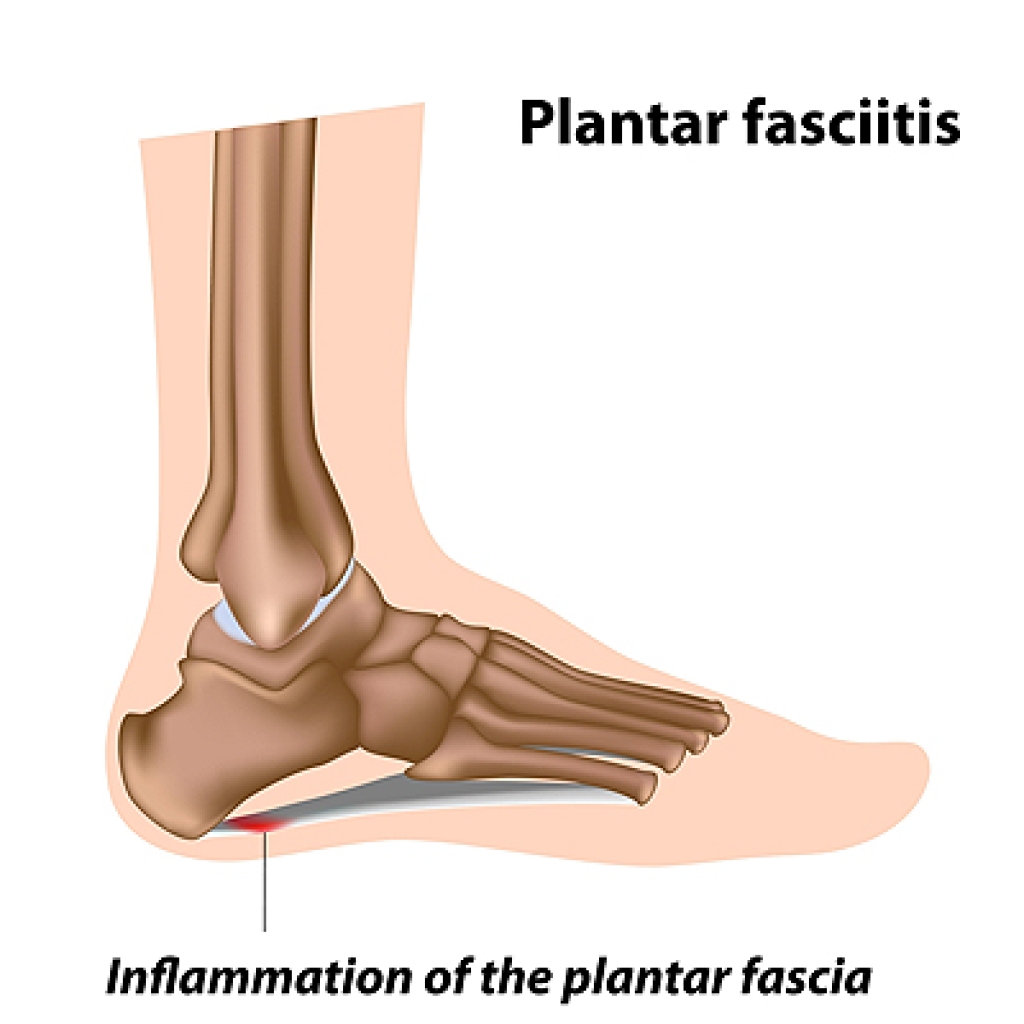
Plantar fasciitis is the most common source of heel pain. It occurs when the plantar fascia, the band of tissue running along the bottom of the foot that connects the heel to the toes, becomes inflamed. Plantar fasciitis is usually a result of repetitive overstretching of the plantar fascia. Common contributing factors include having high arches or flat feet, standing on hard surfaces for a long period of time, age (between 40 and 60), being overweight, wearing high heels, and a sudden change in activity level. Plantar fasciitis pain is most prevalent in the middle of the heel and it is usually worse after waking up in the morning or after taking a long rest. Patients who are experiencing heel pain should consult with a podiatrist for a proper diagnosis and to determine what route of treatment should be implemented.

Plantar fasciitis is a common foot condition that is often caused by a strain injury. If you are experiencing heel pain or symptoms of plantar fasciitis, contact Dr. Kennedy Legel from Advanced Foot & Ankle Care Specialists. Our doctor can provide the care you need to keep you pain-free and on your feet.

What Is Plantar Fasciitis?

Plantar fasciitis is one of the most common causes of heel pain. The plantar fascia is a ligament that connects your heel to the front of your foot. When this ligament becomes inflamed, plantar fasciitis is the result. If you have plantar fasciitis you will have a stabbing pain that usually occurs with your first steps in the morning. As the day progresses and you walk around more, this pain will start to disappear, but it will return after long periods of standing or sitting.

What Causes Plantar Fasciitis?

  • Excessive running
  • Having high arches in your feet
  • Other foot issues such as flat feet
  • Pregnancy (due to the sudden weight gain)
  • Being on your feet very often

There are some risk factors that may make you more likely to develop plantar fasciitis compared to others. The condition most commonly affects adults between the ages of 40 and 60. It also tends to affect people who are obese because the extra pounds result in extra stress being placed on the plantar fascia.

Prevention

  • Take good care of your feet – Wear shoes that have good arch support and heel cushioning.
  • Maintain a healthy weight
  • If you are a runner, alternate running with other sports that won’t cause heel pain

There are a variety of treatment options available for plantar fasciitis along with the pain that accompanies it. Additionally, physical therapy is a very important component in the treatment process. It is important that you meet with your podiatrist to determine which treatment option is best for you.

If you have any questions, please feel free to contact our office located in Dallas, TX . We offer the newest diagnostic and treatment technologies for all your foot care needs.


Read more about Plantar Fasciitis

The Top Six Causes of Heel Pain

While heel pain can sometimes occur due to systemic illnesses such as gout and arthritis, it usually is caused by a condition isolated to the feet. The most common types of local heel pain are: plantar fasciitis, heel spurs, Sever’s disease, bursitis, trapped nerves, and local bruises. Plantar fasciitis is an inflammation in the long, fibrous tissue band that connects the heel and toes along the bottom of the foot. Heel spurs are calcium deposits on the heel bone. Because they occur where the plantar fascia attaches to the heel bone, they are sometimes masked by, or occur in tandem with, plantar fasciitis. Sever’s disease is an inflammation of the growth plate at the back of the heel that occurs in growing children. Bursitis is inflammation in the fluid-filled sac (bursa) which cushions the area at the back of the ankle where the heel meets the Achilles tendon. Trapped nerves occur when there is compression on various nerves leading to the heel. Common bruises and bumps to the heel can also cause pain. If you have heel pain, make an appointment with a podiatrist who can determine the root of the problem and create an effective treatment plan.

Many people suffer from bouts of heel pain. For more information, contact Dr. Kennedy Legel of Advanced Foot & Ankle Care Specialists. Our doctor can provide the care you need to keep you pain-free and on your feet.

Causes of Heel Pain

Heel pain is often associated with plantar fasciitis. The plantar fascia is a band of tissues that extends along the bottom of the foot. A rip or tear in this ligament can cause inflammation of the tissue.

Achilles tendonitis is another cause of heel pain. Inflammation of the Achilles tendon will cause pain from fractures and muscle tearing. Lack of flexibility is also another symptom.

Heel spurs are another cause of pain. When the tissues of the plantar fascia undergo a great deal of stress, it can lead to ligament separation from the heel bone, causing heel spurs.

Why Might Heel Pain Occur?

  • Wearing ill-fitting shoes                
  • Wearing non-supportive shoes
  • Weight change           
  • Excessive running

Treatments

Heel pain should be treated as soon as possible for immediate results. Keeping your feet in a stress-free environment will help. If you suffer from Achilles tendonitis or plantar fasciitis, applying ice will reduce the swelling. Stretching before an exercise like running will help the muscles. Using all these tips will help make heel pain a condition of the past.

If you have any questions, please feel free to contact our office located in Dallas, TX . We offer the newest diagnostic and treatment technologies for all your foot care needs.

Read more about Heel Pain
scroll to top