Stretches That Can Help Flat Feet

People who have flat feet may notice their gait is affected by their abnormal foot structure. The majority of babies are born with flat feet, and the arch generally develops in the teenage years. Adults who have flat feet may have acquired this condition genetically, and certain stretches can be done that may help existing pain and stiffness. There are two shin muscles that contribute to the shape of the arch. An effective stretch is called the “windshield wiper” and can be done by sitting in a chair, followed by lifting the toes toward the shin, and away from the body. After holding this stretch for a few seconds, return to the original position. The toes can be brought up again facing inward toward the body. Many people enjoy practicing the “towel scrunch” by placing their feet on a towel while sitting in a chair. The toes are curled as the towel gets scrunched, and this is continued until the far edge of the towel is under the foot. There are many exercises that can help flat feet, and if you are afflicted with this condition, please consult with a podiatrist.

Flatfoot is a condition many people suffer from. If you have flat feet, contact Dr. Kennedy Legel from Advanced Foot & Ankle Care Specialists. Our doctor will treat your foot and ankle needs.

What Are Flat Feet?

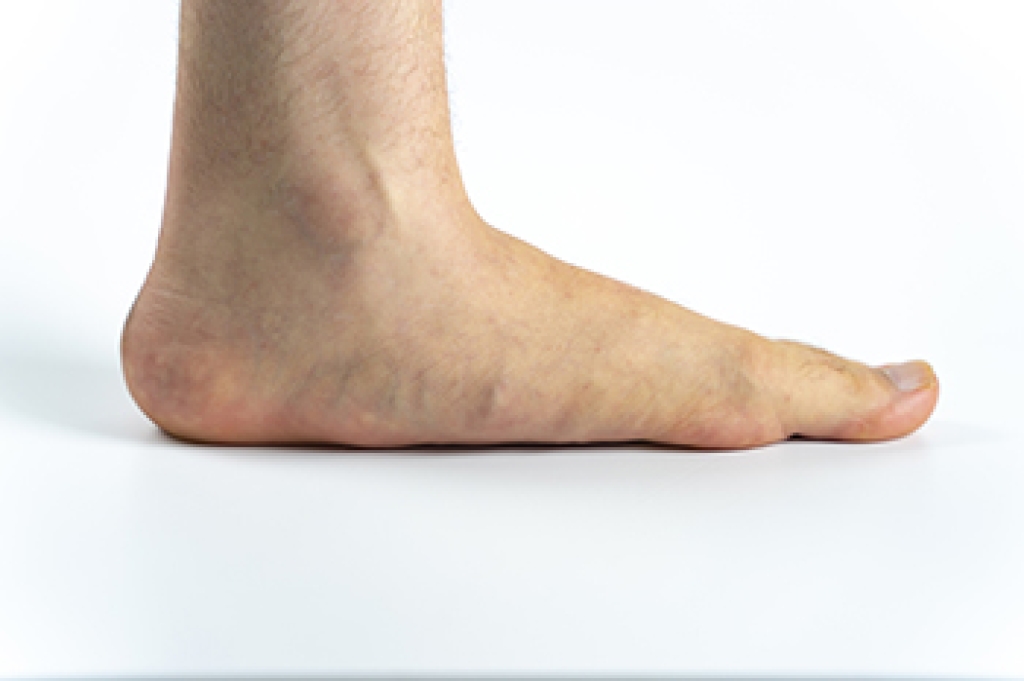
Flatfoot is a condition in which the arch of the foot is depressed and the sole of the foot is almost completely in contact with the ground. About 20-30% of the population generally has flat feet because their arches never formed during growth.

Conditions & Problems:

Having flat feet makes it difficult to run or walk because of the stress placed on the ankles.

Alignment – The general alignment of your legs can be disrupted, because the ankles move inward which can cause major discomfort.

Knees – If you have complications with your knees, flat feet can be a contributor to arthritis in that area.  

Symptoms

  • Pain around the heel or arch area
  • Trouble standing on the tip toe
  • Swelling around the inside of the ankle
  • Flat look to one or both feet
  • Having your shoes feel uneven when worn

Treatment

If you are experiencing pain and stress on the foot you may weaken the posterior tibial tendon, which runs around the inside of the ankle. 

If you have any questions, please feel free to contact our office located in Dallas, TX . We offer the newest diagnostic and treatment technologies for all your foot care needs.


Read more about Flatfoot

Sources of Big Toe Joint Pain

Although it is rarely given much attention, the big toe plays an important role in carrying out many of our daily activities. The big toe joint, also known as the metatarsophalangeal (MTP) joint, connects the big toe to the foot, and supports the body with every step you take. When it is injured or sore, it can impede the ability to walk. Major causes of MTP joint pain are osteoarthritis, gout, bunions, injuries, and sesamoiditis. Osteoarthritis in the big toe causes the joint to become inflamed. The cartilage that connects the bones wears away, causing pain, tenderness, and swelling as the bones rub together. Gout is another form of arthritis, caused by uric acid crystals that often build up within the big toe joint. Intense pain, redness, and swelling are symptoms during a flare up. Big toe sprains and fractures cause pain, swelling, and bruising with any weight bearing activity. In the case of a fracture, please get immediate medical help. A bunion is a bone malformation of the big toe joint, often caused by wearing shoes that are tight around the toes. The top of the big toe moves toward the second toe, while the base of the toe bone shifts outward to form a bump. Bunions can be extremely painful, in addition to changing your gait and causing further problems in the feet. Sesamoiditis is an inflammation of two tiny bones wrapped within tendons at the base of the MTP joint. If you have any of the conditions, please consult a podiatrist for an exam, diagnosis, and treatment plan.

Toe pain can disrupt your daily activities. If you have any concerns, contact Dr. Kennedy Legel of Advanced Foot & Ankle Care Specialists. Our doctor can provide the care you need to keep you pain-free and on your feet.

What Causes Toe Pain?

Most severe toe pain is caused due to a sports injury, trauma from dropping something heavy on the toe, or bumping into something rigid. Other problems can develop over time for various reasons.

Toe pain can be caused by one or more ailments. The most common include:

  • Trauma
  • Sports injury
  • Wearing shoes that are too tight
  • Arthritis
  • Gout
  • Corns and calluses
  • Hammertoe
  • Bunions
  • Blisters
  • Ingrown toenails
  • Sprains
  • Fractures (broken bones)
  • Dislocations

When to See a Podiatrist

  • Severe pain
  • Persistent pain that lasts more than a week
  • Signs of infection
  • Continued swelling
  • Pain that prevents walking

Diagnosis

In many cases the cause of toe pain is obvious, but in others, a podiatrist may want to use more advanced methods to determine the problem. These can range from simple visual inspections and sensation tests to X-rays and MRI scans. Prior medical history, family medical history, and any recent physical traumatic events will all be taken into consideration for a proper diagnosis.

Treatment

Treatments for toe pain and injuries vary and may include shoe inserts, padding, taping, medicines, injections, and in some cases, surgery. If you believe that you have broken a toe, please see a podiatrist as soon as possible.

If you have any questions please contact our office located in Dallas, TX . We offer the newest diagnostic and treatment technologies for all your foot and ankle needs.

Read more about Toe Pain

Gout Pain Can Be Managed

Gout is a painful, inflammatory form of arthritis. Those affected will typically feel an intense stiffness in the joints of their feet, particularly in the big toe. Schedule a visit to learn about how gout can be managed and treated.

Children and Broken Toes

A broken toe is uncomfortable for the majority of people, and can be discouraging for children who sustain this type of fracture. It is often necessary to refrain from putting pressure on the foot as the healing process occurs, and this may interfere with participating in physical activities. A broken toe can happen if a heavy object falls on it, or if it is jammed against a piece of furniture. Many children notice immediate symptoms that include bruising, swelling, and the inability to walk on the affected foot. Additionally, in severe breaks, the bone may protrude from the skin at an abnormal angle, causing severe pain and discomfort. If you think your child may have broken their toe, a proper diagnosis is necessary. This can consist of having an X-ray or MRI taken. For mild breaks, buddy taping can be an effective form of treatment. This is done by taping the broken toe to the toe next to it, providing the stability needed for complete healing. A broken toe can be treated by a podiatrist who can effectively diagnose and monitor this type of injury. 

Broken toes may cause a lot of pain and should be treated as soon as possible. If you have any concerns about your feet, contact Dr. Kennedy Legel from Advanced Foot & Ankle Care Specialists. Our doctor will treat your foot and ankle needs.

What Is a Broken Toe?

A broken toe occurs when one or more of the toe bones of the foot are broken after an injury. Injuries such as stubbing your toe or dropping a heavy object on it may cause a toe fracture.

Symptoms of a Broken Toe

  • Swelling
  • Pain (with/without wearing shoes)
  • Stiffness
  • Nail Injury

Although the injured toe should be monitored daily, it is especially important to have a podiatrist look at your toe if you have severe symptoms. Some of these symptoms include worsening or new pain that is not relieved with medication, sores, redness, or open wounds near the toe.

If you have any questions please feel free to contact our office located in Dallas, TX . We offer the newest diagnostic tools and technology to treat your foot and ankle needs.

Read more about What to Know About a Broken Toe

How Does Toenail Fungus Form and How Can You Address It?

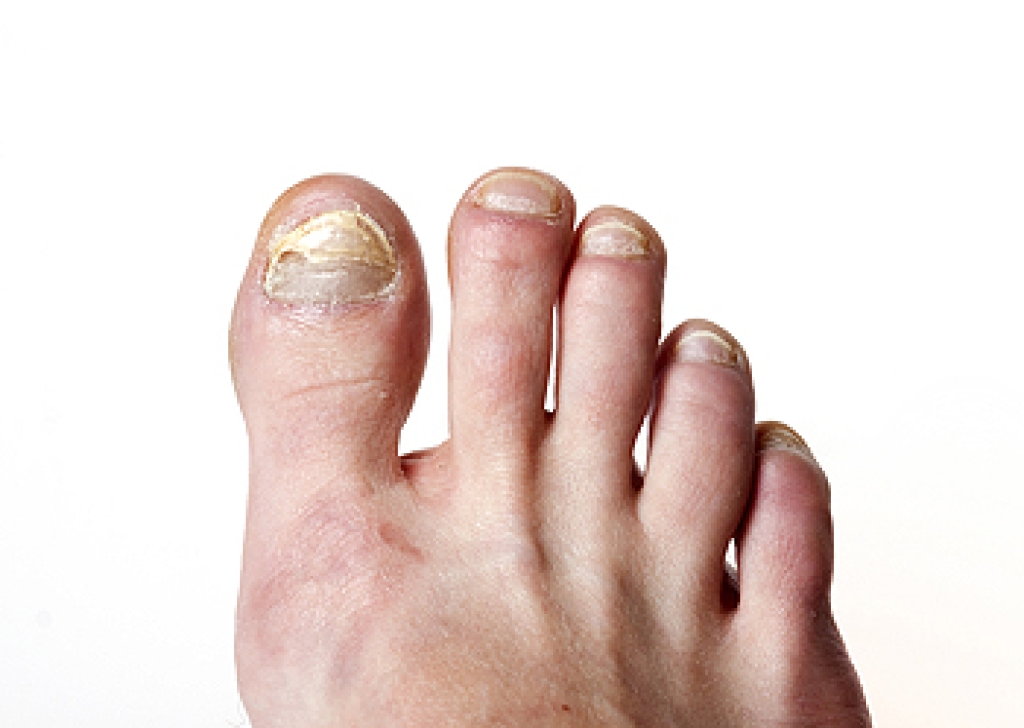
Toenail fungus can undoubtedly be an unpleasant and troublesome ailment of the foot. This condition often occurs when a case of athlete’s foot or another rash spreads to the toenail. Time is certainly of the essence when it comes to treating a toenail fungus. Since the fungus becomes more severe as time passes, an individual may be able to more effectively treat a toenail fungus if it is identified relatively early in its formation. To catch early forms of toenail fungus, you might be especially vigilant about identifying any yellow or white spots underneath the toenails. There are various types of treatment for toenail fungus that an individual has at their disposal. To treat the fungus, one might take an oral medication, especially when multiple toenails have been affected. Besides oral antifungals, other treatments include using topical medications for prolonged periods of time. The efficacy of these and other treatments often depend on how long the toenail fungus has been left untreated. It is suggested that you consult with a trusted podiatrist to address this ailment.

For more information about treatment, contact Dr. Kennedy Legel of Advanced Foot & Ankle Care Specialists. Our doctor can provide the care you need to keep you pain-free and on your feet.

Toenail Fungus Treatment

Toenail fungus is a condition that affects many people and can be especially hard to get rid of. Fortunately, there are several methods to go about treating and avoiding it.

Antifungals & Deterrence

Oral antifungal medicine has been shown to be effective in many cases. It is important to consult with a podiatrist to determine the proper regiment for you, or potentially explore other options.

Applying foot powder on the feet and shoes helps keep the feet free of moisture and sweat.

Sandals or open toed shoes – Wearing these will allow air movement and help keep feet dry. They also expose your feet to light, which fungus cannot tolerate. Socks with moisture wicking material also help as well.

If you have any questions please contact our office located in Dallas, TX . We offer the newest diagnostic and treatment technologies for all your foot and ankle needs.

Read more about How to Treat Your Toenail Fungus
scroll to top