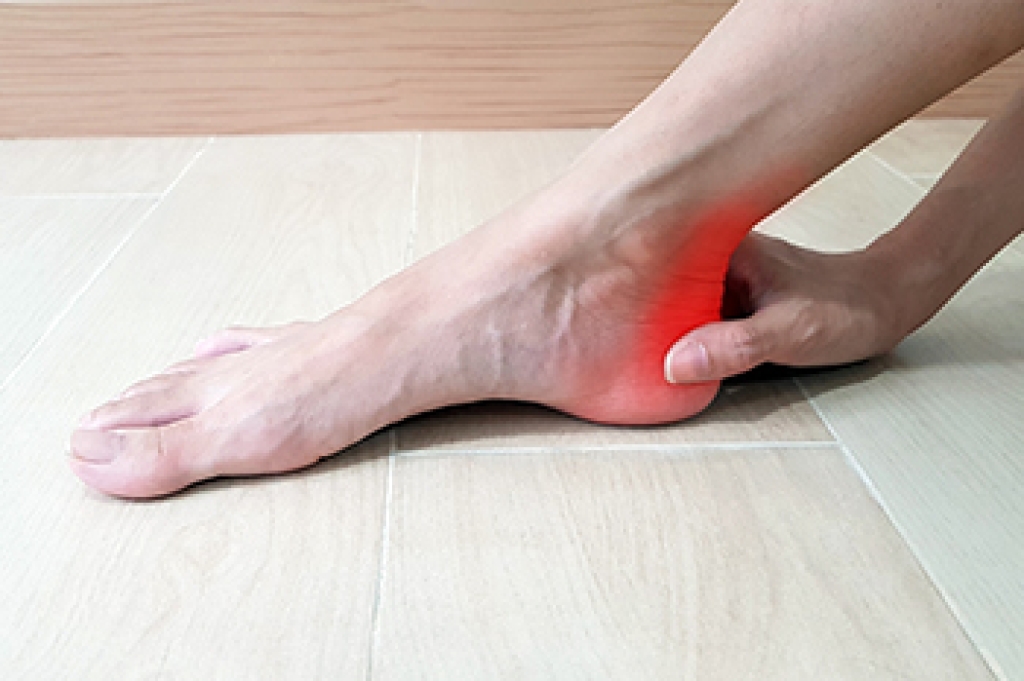
Causes of Achilles Tendon Pain

The strong band of tissue that runs from the calf muscles to the heel bone is known as the Achilles tendon. When this tendon is overused, which is frequent among runners, dancers, and other athletes, it can become inflamed and extremely painful. This condition is called Achilles tendinopathy. The top cause of Achilles tendinopathy is overuse, which tears or stretches the tendon and causes inflammation. Other causes include certain types of arthritis, flat feet, and overpronation. In addition, wearing shoes that lack adequate support, being overweight, and taking certain antibiotics may increase the likelihood of developing Achilles tendinopathy. There are a number of treatments available for Achilles tendinopathy, but healing time depends on the severity of the injury. In some cases, surgery is required. There are several ways to prevent tendinopathy, including stretching exercises and warmup and cool-down routines. Wearing proper footwear is another way to help prevent this injury. For more information, it is suggested that you consult a podiatrist. 

Achilles tendon injuries need immediate attention to avoid future complications. If you have any concerns, contact Dr. Kennedy Legel of Advanced Foot & Ankle Care Specialists. Our doctor can provide the care you need to keep you pain-free and on your feet.

What Is the Achilles Tendon?

The Achilles tendon is a tendon that connects the lower leg muscles and calf to the heel of the foot. It is the strongest tendon in the human body and is essential for making movement possible. Because this tendon is such an integral part of the body, any injuries to it can create immense difficulties and should immediately be presented to a doctor.

What Are the Symptoms of an Achilles Tendon Injury?

There are various types of injuries that can affect the Achilles tendon. The two most common injuries are Achilles tendinitis and ruptures of the tendon.

Achilles Tendinitis Symptoms

  • Inflammation
  • Dull to severe pain
  • Increased blood flow to the tendon
  • Thickening of the tendon

Rupture Symptoms

  • Extreme pain and swelling in the foot
  • Total immobility

Treatment and Prevention

Achilles tendon injuries are diagnosed by a thorough physical evaluation, which can include an MRI. Treatment involves rest, physical therapy, and in some cases, surgery. However, various preventative measures can be taken to avoid these injuries, such as:

  • Thorough stretching of the tendon before and after exercise
  • Strengthening exercises like calf raises, squats, leg curls, leg extensions, leg raises, lunges, and leg presses

If you have any questions please feel free to contact our office located in Dallas, TX . We offer the newest diagnostic tools and technology to treat your foot and ankle needs.
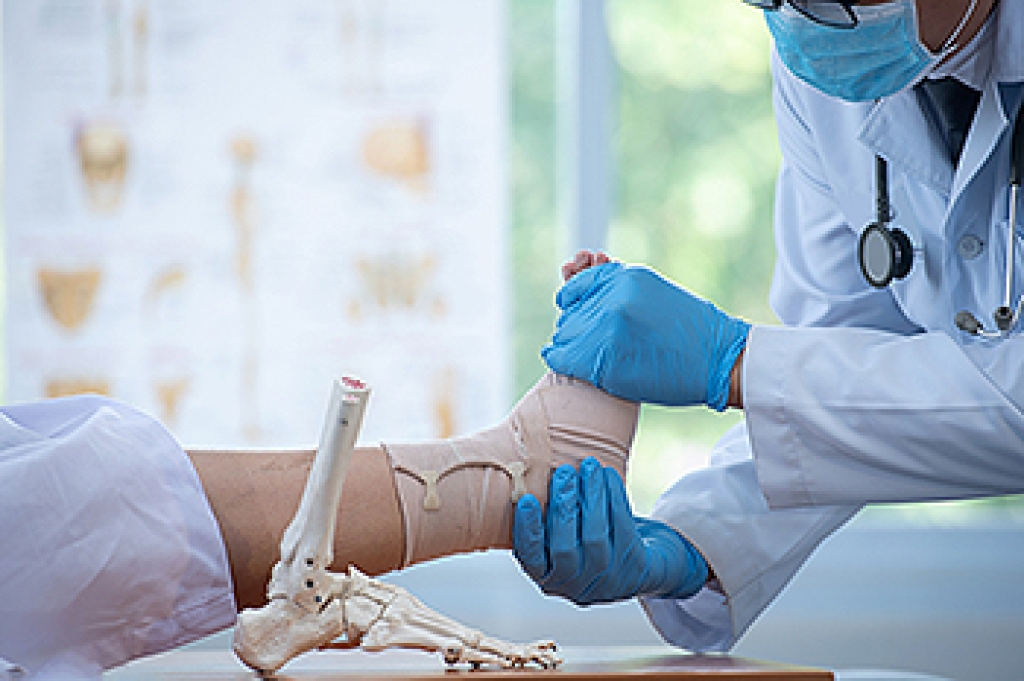

Read more about The Causes, Types, and Treatments of Achilles Tendon Injuries

How Is a Broken Ankle Diagnosed?

There is no doubting what happens when a broken ankle occurs. This foot condition happens suddenly and is accompanied by extreme pain and discomfort. It is often difficult, if not impossible, to walk, and immediate medical attention is often sought for relief. The ankle is composed of three bones. The tibia is the large bone in the lower leg, referred to as the shinbone. The calf bone is called the fibula and is the smaller bone in the lower leg. The bone found between the heel bone, tibia, and fibula is known as the talus, and any of these bones can be fractured in the ankle. A diagnosis is often performed that can consist of having an X-ray taken, which successfully determines the severity of the injury. It is beneficial to keep weight off the foot as much as possible and wear a protective boot or cast. Many people use crutches to help provide mobility until the healing process has been completed. If you have broken your ankle, it is suggested that you contact a podiatrist as quickly as possible who can effectively treat this condition.

Broken ankles need immediate treatment. If you are seeking treatment, contact Dr. Kennedy Legel from Advanced Foot & Ankle Care Specialists. Our doctor can provide the care you need to keep you pain-free and on your feet. 

Broken Ankles
A broken ankle is experienced when a person fractures their tibia or fibula in the lower leg and ankle area. Both of these bones are attached at the bottom of the leg and combine to form what we know to be our ankle.

When a physician is referring to a break of the ankle, he or she is usually referring to a break in the area where the tibia and fibula are joined to create our ankle joint. Ankles are more prone to fractures because the ankle is an area that suffers a lot of pressure and stress. There are some obvious signs when a person experiences a fractured ankle, and the following symptoms may be present.

Symptoms of a Fractured Ankle

  • Excessive pain when the area is touched or when any pressure is placed on the ankle
  • Swelling around the area
  • Bruising of the area
  • Area appears to be deformed

If you suspect an ankle fracture, it is recommended to seek treatment as soon as possible. The sooner you have your podiatrist diagnose the fracture, the quicker you’ll be on the way towards recovery.

If you have any questions, please feel free to contact our office located in Dallas, TX . We offer the newest diagnostic and treatment technologies for all your foot care needs.

Read more about All About Broken Ankle

Gout Pain Can Be Managed

Gout is a painful, inflammatory form of arthritis. Those affected will typically feel an intense stiffness in the joints of their feet, particularly in the big toe. Schedule a visit to learn about how gout can be managed and treated.

Treating a Wound on the Bottom of the Foot

Having a wound on the bottom of the foot can not only be painful, but it can also be extremely difficult to treat. With any wound, cleaning and disinfecting it is important. Fortunately, minor cuts heal relatively quickly on their own, and an antibiotic ointment and simple bandage are enough to do the job. Staying off the foot as much as possible is a big help, too. The real problem with a wound on the bottom of the foot is when it is deep, won’t stop bleeding, or becomes infected. In those cases, it is suggested that you contact a podiatrist for immediate assistance. Keeping the wounded area covered is an effective and important way to avoid dire complications. After cleaning and dressing the area, adding a bandage, then a gauze wrapping, followed by an elastic bandage is suggested by experts. These bandages should be tight enough to protect the wound, but not so tight that circulation to the foot is cut off. If you are unsure of how to deal with a wound on the sole of the foot, it is suggested that you contact a podiatrist.

Wound care is an important part in dealing with diabetes. If you have diabetes and a foot wound or would like more information about wound care for diabetics, consult with Dr. Kennedy Legel from Advanced Foot & Ankle Care Specialists. Our doctor will assess your condition and provide you with quality foot and ankle treatment.

What Is Wound Care?

Wound care is the practice of taking proper care of a wound. This can range from the smallest to the largest of wounds. While everyone can benefit from proper wound care, it is much more important for diabetics. Diabetics often suffer from poor blood circulation which causes wounds to heal much slower than they would in a non-diabetic. 

What Is the Importance of Wound Care?

While it may not seem apparent with small ulcers on the foot, for diabetics, any size ulcer can become infected. Diabetics often also suffer from neuropathy, or nerve loss. This means they might not even feel when they have an ulcer on their foot. If the wound becomes severely infected, amputation may be necessary. Therefore, it is of the upmost importance to properly care for any and all foot wounds.

How to Care for Wounds

The best way to care for foot wounds is to prevent them. For diabetics, this means daily inspections of the feet for any signs of abnormalities or ulcers. It is also recommended to see a podiatrist several times a year for a foot inspection. If you do have an ulcer, run the wound under water to clear dirt from the wound; then apply antibiotic ointment to the wound and cover with a bandage. Bandages should be changed daily and keeping pressure off the wound is smart. It is advised to see a podiatrist, who can keep an eye on it.

If you have any questions please contact our office located in Dallas, TX . We offer the newest diagnostic and treatment technologies for all your foot and ankle needs.

Read more about Wound Care

Hammertoe Surgery

A hammertoe occurs when one of the three middle toes bends upward at the middle joint. Corns and calluses that can develop on the hammertoe can make wearing shoes and walking uncomfortable. If lifestyle changes, such as wearing wider shoes, using shoe inserts, or doing stretching and strengthening toe exercises do not help, surgery can be considered to correct a hammertoe. Hammertoe surgery is not a good option for those who have poor circulation in their feet, have a foot infection, or have other health problems making surgery a risk. If considered a good candidate for this surgery, it is typically a procedure that can be done as an outpatient under general anesthesia or using numbing medications. If the hammertoe is still somewhat flexible, a tendon transfer involving redirecting tendons from the bottom of the toe to the top where it is bent can be done to straighten the toe. If the hammertoe is fixed or rigid, a joint resection or fusion can be done. Joint resection is when tendons and ligaments are cut to help straighten the toe and the end of the bone is cut off so the toe can be fully extended. In fusion surgery, the ligaments and tendons are also cut but the two bones forming the affected joint are also cut for straightening the toe. If you have a painful hammertoe, it is suggested that you make an appointment with a podiatrist to see if more conservative treatment is possible or whether surgery is an option for you.

Foot surgery is sometimes necessary to treat a foot ailment. To learn more, contact Dr. Kennedy Legel of Advanced Foot & Ankle Care Specialists. Our doctor will assist you with all of your foot and ankle needs.

When Is Surgery Necessary?

Foot and ankle surgery is generally reserved for cases in which less invasive, conservative procedures have failed to alleviate the problem. Some of the cases in which surgery may be necessary include:

  • Removing foot deformities like bunions and bone spurs
  • Severe arthritis that has caused bone issues
  • Cosmetic reconstruction

What Types of Surgery Are There?

The type of surgery you receive will depend on the nature of the problem you have. Some of the possible surgeries include:

  • Bunionectomy for painful bunions
  • Surgical fusion for realignment of bones
  • Neuropathy decompression surgery to treat nerve damage

Benefits of Surgery

Although surgery is usually a last resort, it can provide more complete pain relief compared to non-surgical methods and may allow you to finally resume full activity.

Surgical techniques have also become increasingly sophisticated. Techniques like endoscopic surgery allow for smaller incisions and faster recovery times.

If you have any questions, please feel free to contact our office located in Dallas, TX . We offer the newest diagnostic and treatment technologies for all your foot care needs.

Read more about Foot and Ankle Surgery
scroll to top