Bunions and Other Common Foot Issues

Bunions, along with other common foot issues, can significantly impact daily life. Symptoms of bunions include a bony bump at the base of the big toe, redness, swelling, and pain, which worsens with pressure from shoes. Corns and calluses may also develop due to friction. Treatment options vary based on severity. Mild cases may benefit from changes in footwear, padding, or orthotic inserts to alleviate pressure. Stretching exercises and ice packs can help manage pain and inflammation. In more severe cases, surgical correction may be necessary to realign the toe joint and relieve discomfort. It's important to address foot issues promptly to prevent them from worsening. Visiting a podiatrist ensures an accurate diagnosis and personalized treatment plan. Whether it is bunions, corns, or any other foot concern, it is suggested that you make an appointment with a podiatrist to get professional advice and treatment.

If you are suffering from bunion pain, contact Dr. Kennedy Legel of Advanced Foot & Ankle Care Specialists. Our doctor can provide the care you need to keep you pain-free and on your feet.

What Is a Bunion?

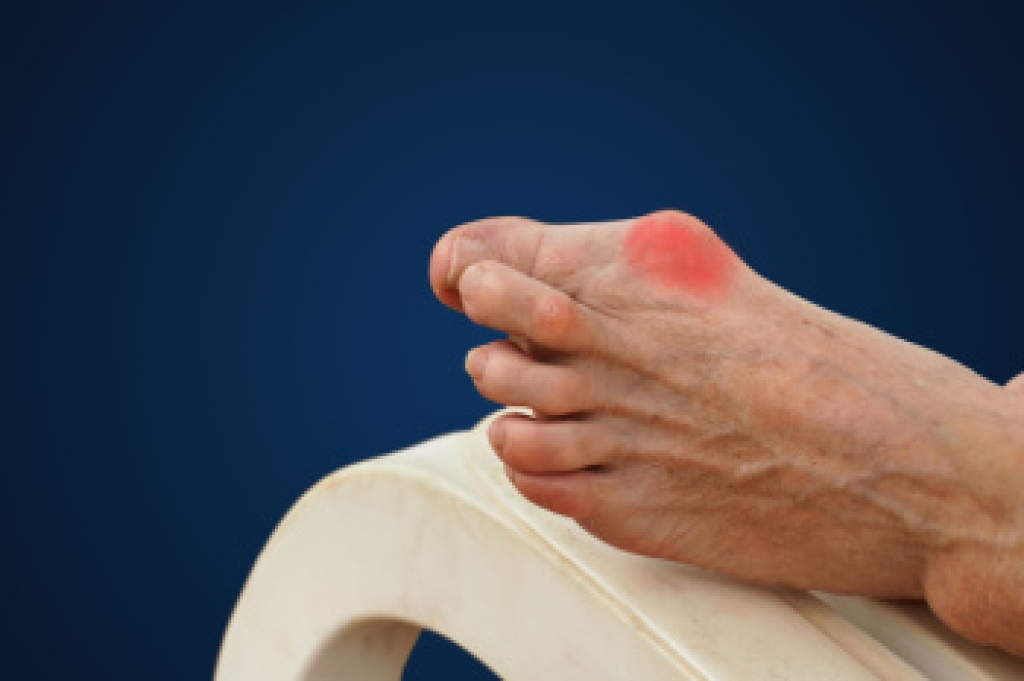
Bunions are painful bony bumps that usually develop on the inside of the foot at the joint of the big toe. As the deformity increases over time, it may become painful to walk and wear shoes. Women are more likely to exacerbate existing bunions since they often wear tight, narrow shoes that shift their toes together. Bunion pain can be relieved by wearing wider shoes with enough room for the toes.

Causes

  • Genetics – some people inherit feet that are more prone to bunion development
  • Inflammatory Conditions - rheumatoid arthritis and polio may cause bunion development

Symptoms

  • Redness and inflammation
  • Pain and tenderness
  • Callus or corns on the bump
  • Restricted motion in the big toe

In order to diagnose your bunion, your podiatrist may ask about your medical history, symptoms, and general health. Your doctor might also order an x-ray to take a closer look at your feet. Nonsurgical treatment options include orthotics, padding, icing, changes in footwear, and medication. If nonsurgical treatments don’t alleviate your bunion pain, surgery may be necessary.

If you have any questions, please feel free to contact our office located in Dallas, TX . We offer the newest diagnostic and treatment technologies for all your foot care needs.
Read more about What Are Bunions?

Diabetes and Foot Wound Healing

Diabetes significantly impacts wound healing, particularly in the feet, due to high blood sugar levels that impair circulation and immune response. Diabetes is a chronic condition where the body cannot regulate blood sugar properly, leading to various complications. In diabetics, poor blood circulation reduces the delivery of oxygen and nutrients essential for healing, while neuropathy, or nerve damage, diminishes the sensation, making it harder to notice injuries. As a result, even minor foot wounds can progress to serious ulcers or infections if left untreated. Foot wounds in diabetic patients often occur due to friction, pressure, or minor trauma, exacerbated by poorly fitting shoes or neglect. To prevent and treat these wounds, maintain proper foot hygiene, inspect feet daily for injuries, and manage blood sugar levels rigorously. Wearing well-fitted shoes and avoiding walking barefoot can also help prevent injuries. If you have diabetes and have persistent wounds or complications, it is strongly suggested that you consult a podiatrist. These healthcare providers specialize in diabetic foot care, providing tailored treatment and preventing severe outcomes.

Diabetic foot care is important in preventing foot ailments such as ulcers. If you are suffering from diabetes or have any other concerns about your feet, contact Dr. Kennedy Legel from Advanced Foot & Ankle Care Specialists. Our doctor can provide the care you need to keep you pain-free and on your feet.

Diabetic Foot Care

Diabetes affects millions of people every year. The condition can damage blood vessels in many parts of the body, especially the feet. Because of this, taking care of your feet is essential if you have diabetes, and having a podiatrist help monitor your foot health is highly recommended.

The Importance of Caring for Your Feet

  • Routinely inspect your feet for bruises or sores.
  • Wear socks that fit your feet comfortably.
  • Wear comfortable shoes that provide adequate support.

Patients with diabetes should have their doctor monitor their blood levels, as blood sugar levels play such a huge role in diabetic care. Monitoring these levels on a regular basis is highly advised.

It is always best to inform your healthcare professional of any concerns you may have regarding your feet, especially for diabetic patients. Early treatment and routine foot examinations are keys to maintaining proper health, especially because severe complications can arise if proper treatment is not applied.

If you have any questions, please feel free to contact our office located in Dallas, TX . We offer the newest diagnostic and treatment technologies for all your foot care needs.

Read more about Diabetic Foot Care

Foot Conditions That May be Linked to Thyroid Disease

Thyroid disease can lead to various foot conditions that impact daily comfort and mobility. Cracked heels are a common issue, resulting from dry skin associated with an underactive thyroid. Itchy feet may also occur due to the same dryness and reduced circulation. Cold feet are another symptom, as thyroid disorders often lead to poor blood flow. Swelling in the feet and ankles can arise from fluid retention linked to thyroid imbalance. Additionally, foot cramps are frequent due to disrupted electrolyte balance and nerve function. These symptoms highlight the need for thyroid management and regular foot care. Moisturizing regularly, wearing supportive footwear, and monitoring foot health can alleviate discomfort. If you suffer from a thyroid disorder and have problematic foot conditions, it is suggested that you consult a podiatrist who can offer you effective relief and treatment options.

When dealing with systemic disease of the feet, it is extremely important to check the affected areas routinely so that any additional problems are caught quickly.  If you have any concerns about your feet and ankles contact Dr. Kennedy Legel from Advanced Foot & Ankle Care Specialists. Our doctor will assist you with all of your podiatric needs.

Systemic Diseases of the Feet

Systemic diseases affect the whole body, and symptoms usually are displayed in the feet. This condition can make a patient’s ability to walk unbearable.  Systemic diseases include gout, diabetes mellitus, neurological disorders, and arthritis.

Gout – is caused by an excess of uric acid in the body. Common symptoms include pain, inflammation, and redness at the metatarsal/phalangeal joint of the base big toe. Gout can be treated by NSAIDs to relieve pain and inflammation, and other drugs that lower the acid levels in the body.

Diabetes mellitus – is an increase in the level of blood sugar that the body cannot counteract with its own insulin. Failure to produce enough insulin is a factor in Diabetes.

Diabetes of the Feet

Diabetic Neuropathy – may lead to damaged nerves and affect the feet through numbness and loss of sensation.

Peripheral Vascular Disease – can restrict the blood flow to the feet, and often times lead to amputation of the feet. 

If you have any questions please contact our office located in Dallas, TX . We offer the newest diagnostic and treatment technologies for all your foot and ankle needs.

Read more about Systemic Diseases of the Foot

Gout Pain Can Be Managed

Gout is a painful, inflammatory form of arthritis. Those affected will typically feel an intense stiffness in the joints of their feet, particularly in the big toe. Schedule a visit to learn about how gout can be managed and treated.

Foot Stretches and Tips to Prevent Pickleball Injuries

Stretching is essential for pickleball players to prevent foot and ankle injuries. Incorporating calf raises into your routine strengthens the muscles, improving stability and reducing the risk of strains. Toe touches stretch the hamstrings and lower back, enhancing flexibility and overall mobility. Regular stretching increases blood flow to the muscles, which can help in quicker recovery and reduced muscle soreness. It also improves range of motion, making movements on the court more efficient and less prone to injury. By dedicating time to these stretches, players can maintain their performance and enjoy the game with a lower risk of foot and ankle issues. Stretching not only prepares the body for the physical demands of pickleball but also contributes to long-term joint and muscle health. If you have developed a foot or ankle injury while playing pickleball, it is suggested that you visit a podiatrist who can offer effective treatment options, and guide you on additional stretches.

Sports related foot and ankle injuries require proper treatment before players can go back to their regular routines. For more information, contact Dr. Kennedy Legel of Advanced Foot & Ankle Care Specialists. Our doctor can provide the care you need to keep you pain-free and on your feet.

Sports Related Foot and Ankle Injuries

Foot and ankle injuries are a common occurrence when it comes to athletes of any sport. While many athletes dismiss the initial aches and pains, the truth is that ignoring potential foot and ankle injuries can lead to serious problems. As athletes continue to place pressure and strain the area further, a mild injury can turn into something as serious as a rupture and may lead to a permanent disability. There are many factors that contribute to sports related foot and ankle injuries, which include failure to warm up properly, not providing support or wearing bad footwear. Common injuries and conditions athletes face, including:

  • Plantar Fasciitis
  • Achilles Tendinitis
  • Achilles Tendon Rupture
  • Ankle Sprains

Sports related injuries are commonly treated using the RICE method. This includes rest, applying ice to the injured area, compression and elevating the ankle. More serious sprains and injuries may require surgery, which could include arthroscopic and reconstructive surgery. Rehabilitation and therapy may also be required in order to get any recovering athlete to become fully functional again. Any unusual aches and pains an athlete sustains must be evaluated by a licensed, reputable medical professional.

If you have any questions please contact our office located in Dallas, TX . We offer the newest diagnostic and treatment technologies for all your foot and ankle needs.

Read more about Sports Related Foot And Ankle Injuries
scroll to top