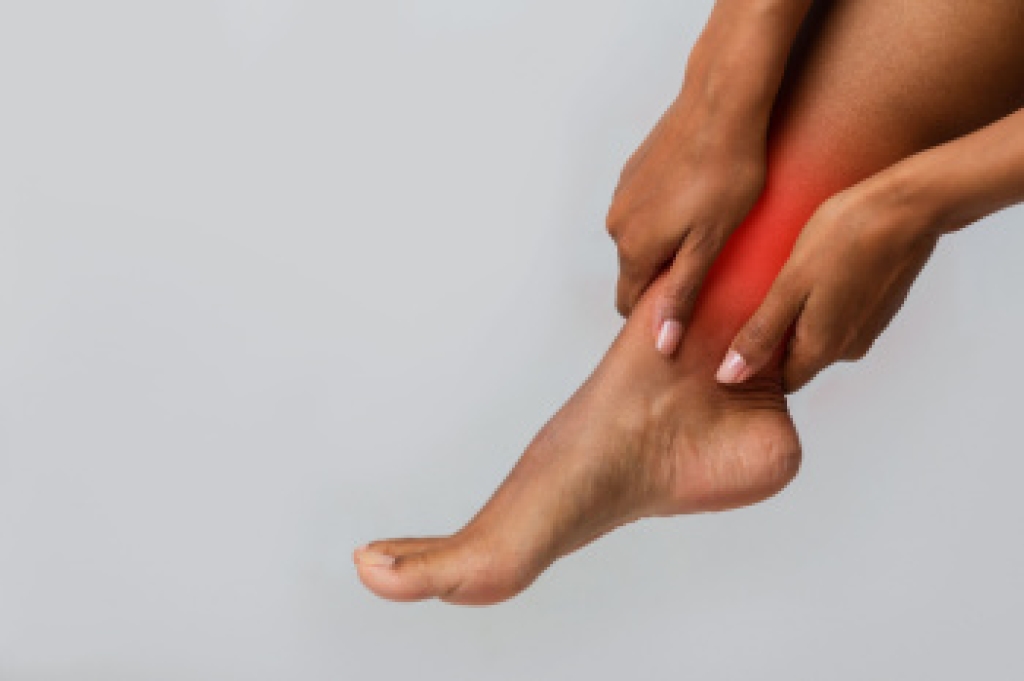
Ankle Pain and When to See a Podiatrist

Ankle pain can make walking, standing, and other everyday activities more difficult. The ankle is a complex joint that supports body weight while allowing the foot to move in several directions. Pain may develop suddenly after an injury, or appear gradually because of repeated stress on the joint. Common causes include sprains, arthritis, and tendon problems. In some cases, ankle pain may also result from fractures or inflammation affecting nearby tissues. Symptoms range from mild discomfort to severe pain that limits normal movement. Because many different conditions can affect the ankle, a professional evaluation is important to identify the cause and determine the most appropriate treatment. Early care may also help prevent ongoing pain and improve long-term joint function.


The symptoms of ankle pain vary depending on the underlying problem. Many people experience swelling, stiffness, or tenderness surrounding the joint. Others notice bruising or difficulty putting weight on the affected foot. Pain may become worse while walking, climbing stairs, or participating in physical activities. Reduced flexibility and limited range of motion can also interfere with work, exercise, and daily routines. Persistent ankle pain should not be ignored because untreated problems may lead to additional joint stress and reduced mobility. Identifying the source of pain early allows treatment to begin before symptoms become more severe and may help support a smoother recovery.


A podiatrist specializes in diagnosing and treating conditions that affect the feet and ankles. During an examination, the podiatrist evaluates the joint, reviews symptoms, and determines the cause of the pain before creating an individualized treatment plan. Treatment may help reduce pain, improve joint function, and restore mobility based on the specific diagnosis. Early podiatry care may also help prevent further joint damage and support a safe return to normal activities. If you have ankle pain, swelling, or difficulty walking, it is suggested that you consult a podiatrist for an evaluation and appropriate treatment options.

Ankle pain can have many different causes and the pain may potentially be serious. If you have ankle pain, consult with Dr. Kennedy Legel from Advanced Foot & Ankle Care Specialists. Our doctor will assess your condition and provide you with quality foot and ankle treatment.

Ankle pain is any condition that causes pain in the ankle. Due to the fact that the ankle consists of tendons, muscles, bones, and ligaments, ankle pain can come from a number of different conditions.

Causes

The most common causes of ankle pain include:

  • Types of arthritis (rheumatoid, osteoarthritis, and gout)
  • Ankle sprains
  • Broken ankles
  • Achilles tendinitis
  • Achilles tendon rupture
  • Stress fractures
  • Tarsal tunnel syndrome
  • Plantar fasciitis

Symptoms

Symptoms of ankle injury vary based upon the condition. Pain may include general pain and discomfort, swelling, aching, redness, bruising, burning or stabbing sensations, and/or loss of sensation.

Diagnosis

Due to the wide variety of potential causes of ankle pain, podiatrists will utilize a number of different methods to properly diagnose ankle pain. This can include asking for personal and family medical histories and of any recent injuries. Further diagnosis may include sensation tests, a physical examination, and potentially x-rays or other imaging tests.

Treatment

Just as the range of causes varies widely, so do treatments. Some more common treatments are rest, ice packs, keeping pressure off the foot, orthotics and braces, medication for inflammation and pain, and surgery.

If you have any questions please feel free to contact our office located in Dallas, TX . We offer the newest diagnostic tools and technology to treat your foot and ankle needs.
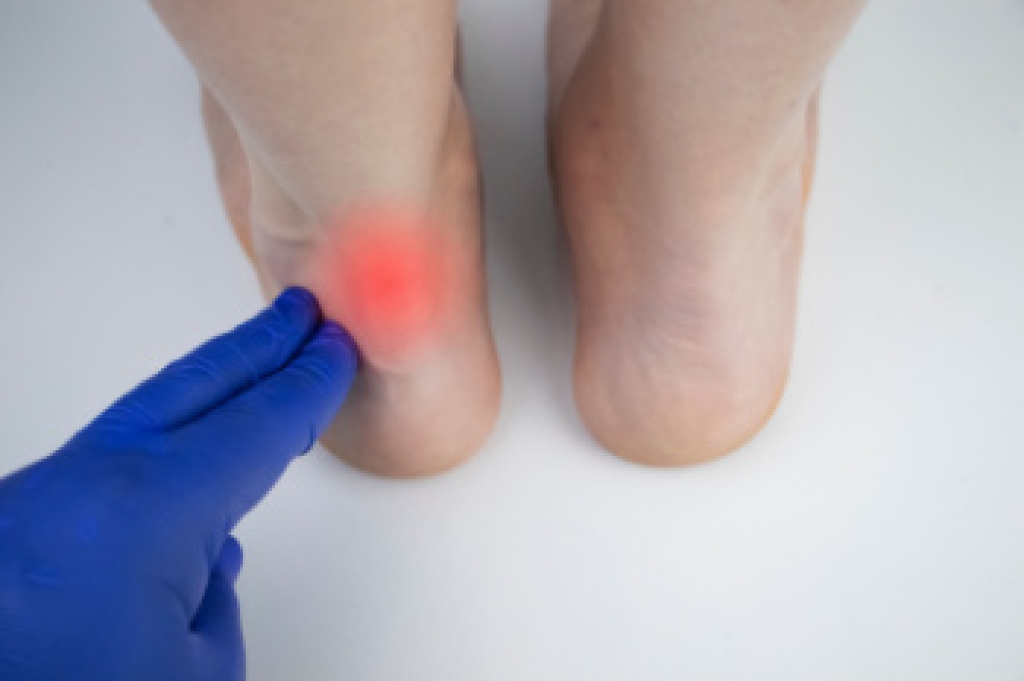

Read more about Various Causes of Ankle Pain

Acute and Chronic Achilles Tendon Conditions

The Achilles tendon is the largest and strongest tendon in the human body, connecting the calf muscles to the heel bone. It plays a vital role in walking, running, and jumping. Acute Achilles tendon conditions develop suddenly, often due to a specific injury or overload, while chronic conditions develop gradually over time due to repeated stress. Achilles tendonitis and tendinosis are common chronic issues that result from micro-tears and degeneration within the tendon. These conditions are frequently seen in active individuals and those who spend long hours on their feet.

Symptoms of Achilles tendon problems may include pain along the back of the heel, stiffness in the morning, swelling, and difficulty with movement. Acute injuries often present with sudden sharp pain, while chronic conditions tend to cause a dull ache that worsens with activity. In more advanced cases, thickening of the tendon or reduced flexibility may occur. Recognizing these symptoms early can help prevent worsening damage and improve recovery outcomes.


Several risk factors contribute to Achilles tendon injuries. These include tight calf muscles, wearing poor footwear, and flat feet or high arches. Sudden increases in physical activity and improper training techniques may also contribute to the problem. Age also plays a role, as the tendon becomes less flexible over time. Occupations that require prolonged standing or repetitive movement can increase strain on the tendon and lead to chronic irritation.


Proper treatment depends on the severity and duration of the condition. Rest, stretching, and supportive footwear can reduce stress on the tendon and promote healing. Early intervention is essential in preventing long term complications. If you have consistent pain or stiffness in the back of your heel, it is suggested that you consult a podiatrist for an accurate diagnosis and appropriate treatment.

Achilles tendon injuries need immediate attention to avoid future complications. If you have any concerns, contact Dr. Kennedy Legel of Advanced Foot & Ankle Care Specialists. Our doctor can provide the care you need to keep you pain-free and on your feet.

What Is the Achilles Tendon?

The Achilles tendon is a tendon that connects the lower leg muscles and calf to the heel of the foot. It is the strongest tendon in the human body and is essential for making movement possible. Because this tendon is such an integral part of the body, any injuries to it can create immense difficulties and should immediately be presented to a doctor.

What Are the Symptoms of an Achilles Tendon Injury?

There are various types of injuries that can affect the Achilles tendon. The two most common injuries are Achilles tendinitis and ruptures of the tendon.

Achilles Tendinitis Symptoms

  • Inflammation
  • Dull to severe pain
  • Increased blood flow to the tendon
  • Thickening of the tendon

Rupture Symptoms

  • Extreme pain and swelling in the foot
  • Total immobility

Treatment and Prevention

Achilles tendon injuries are diagnosed by a thorough physical evaluation, which can include an MRI. Treatment involves rest, physical therapy, and in some cases, surgery. However, various preventative measures can be taken to avoid these injuries, such as:

  • Thorough stretching of the tendon before and after exercise
  • Strengthening exercises like calf raises, squats, leg curls, leg extensions, leg raises, lunges, and leg presses

If you have any questions please feel free to contact our office located in Dallas, TX . We offer the newest diagnostic tools and technology to treat your foot and ankle needs.
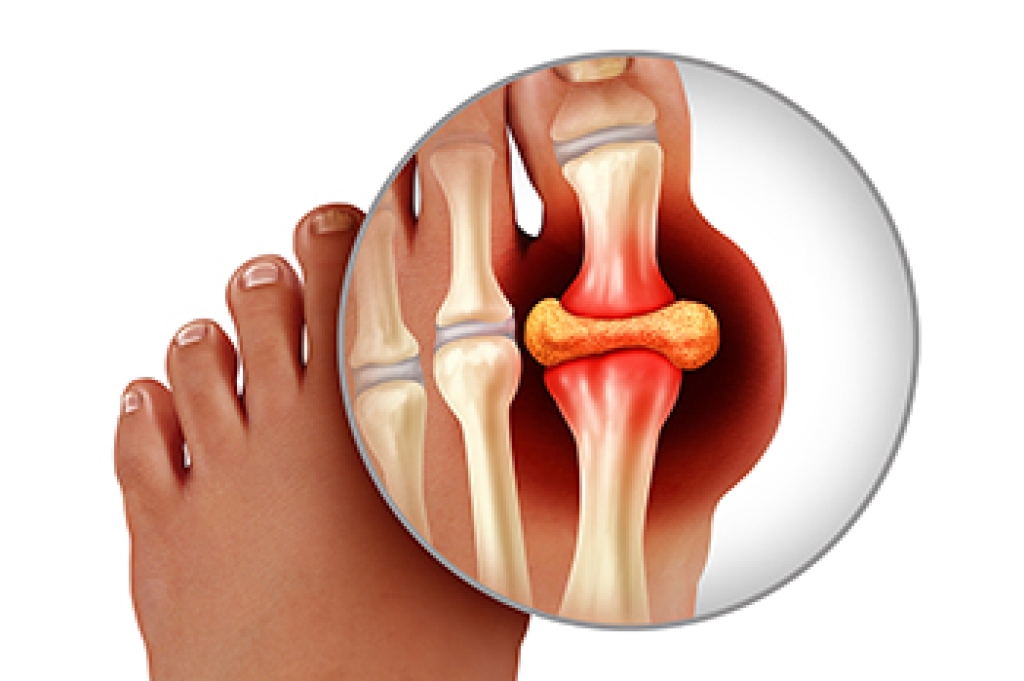
Read more about The Causes, Types, and Treatments of Achilles Tendon Injuries

Causes and Treatment of Foot Pain After Running

Running places repeated stress on the feet and ankles with every step. The impact from training, racing, and long-distance running can lead to foot problems that interfere with performance and comfort. Some runners develop plantar fasciitis, which causes pain along the bottom of the heel. Others experience stress fractures, which are small cracks in the bone caused by repeated force. Tendon injuries can also occur when the tissues that connect muscles to bones become irritated or inflamed. Foot pain may begin gradually or appear after a change in training intensity. Running on uneven surfaces can also increase strain on the feet. Shoes that do not fit properly or footwear that lacks adequate support can place additional pressure on certain areas of the foot and increase the risk of injury.

Symptoms vary depending on the condition involved. Runners may notice heel pain, arch pain, or pain in the ball of the foot. Swelling, tenderness, and stiffness can also develop. Some people experience pain only while running. Others continue to feel discomfort after activity has ended. Stress fractures frequently cause pain that becomes worse with repeated activity. Tendon problems often create soreness near the ankle or along the top of the foot. Changes in running form can also contribute to foot problems by placing excess stress on muscles, tendons, and joints. Ignoring symptoms can allow an injury to worsen and make recovery more difficult.

A podiatrist can identify the cause of running-related foot pain through a detailed examination and diagnostic testing. X-rays and other imaging studies help detect bone injuries and soft tissue damage. Treatment includes activity modifications, custom orthotics, and stretching or strengthening exercises designed to improve foot function. Some runners benefit from gait analysis, which evaluates how the foot moves while running. A podiatrist can also recommend appropriate shoes based on foot structure and running style. If you have foot pain during or after running, it is suggested that you schedule an appointment with a podiatrist for an evaluation and appropriate relief and treatment solutions.

All runners should take extra precaution when trying to avoid injury. If you have any concerns about your feet, contact Dr. Kennedy Legel of Advanced Foot & Ankle Care Specialists. Our doctor will treat your foot and ankle needs.

How to Prevent Running Injuries

There are a lot of mistakes a runner can make prior to a workout that can induce injury. A lot of athletes tend to overstretch before running, instead of saving those workouts for a post-run routine. Deep lunges and hand-to-toe hamstring pulls should be performed after a workout instead of during a warmup. Another common mistake is jumping into an intense routine before your body is physically prepared for it. You should try to ease your way into long-distance running instead of forcing yourself to rush into it.

More Tips for Preventing Injury

  • Incorporate Strength Training into Workouts - This will help improve the body’s overall athleticism
  • Improve and Maintain Your Flexibility – Stretching everyday will help improve overall performance
  • “Warm Up” Before Running and “Cool Down” Afterward – A warm up of 5-10 minutes helps get rid of lactic acid in the muscles and prevents delayed muscle soreness
  • Cross-Training is Crucial
  • Wear Proper Running Shoes
  • Have a Formal Gait Analysis – Poor biomechanics can easily cause injury

If you have any questions, please feel free to contact our office located in Dallas, TX . We offer the newest diagnostic and treatment technologies for all your foot care needs.

Read more about Preventing Running Injuries

Gout and the Big Toe

Gout is a form of inflammatory arthritis that frequently affects the foot, most commonly the big toe joint. It may also involve the midfoot, ankle, or other joints. Gout develops when uric acid accumulates in the bloodstream and forms sharp crystals within a joint. These crystals irritate surrounding tissues and trigger sudden, intense inflammation. Symptoms often begin quickly, sometimes during the night, and include severe pain, redness, warmth, and noticeable swelling. The affected joint may become extremely tender, and even light pressure from bedding or footwear can cause significant discomfort. Many people describe the pain as sharp, throbbing, and difficult to ignore.

Gout occurs when the body either produces too much uric acid or is unable to eliminate it effectively through the kidneys. Diet can contribute to this imbalance, particularly with foods high in purines like red meat, shellfish, and organ meats. In contrast, a balanced diet that includes low-fat dairy products, fresh fruits, vegetables, and whole grains may help support overall health. Additional risk factors include family history, obesity, dehydration, and certain medications. Underlying conditions like kidney disease or metabolic disorders may also be factors. Without appropriate care, gout attacks may become more frequent, last longer, and begin to affect multiple joints. This can potentially lead to long-term joint damage.

A podiatrist plays an important role in diagnosing and managing gout. Through an exam, imaging, and laboratory testing, they can confirm the condition and rule out other causes of joint pain. Treatment may include medications to reduce inflammation, relieve pain, and help regulate uric acid levels. A podiatrist can also provide ongoing monitoring of joints and further guidance to prevent future flare-ups and protect mobility. If you are experiencing symptoms of gout, it is strongly suggested that you consult a podiatrist for a proper evaluation and personalized care.

Gout is a foot condition that requires certain treatment and care. If you are seeking treatment, contact Dr. Kennedy Legel from Advanced Foot & Ankle Care Specialists. Our doctor will treat your foot and ankle needs.

What Is Gout?

Gout is a type of arthritis caused by a buildup of uric acid in the bloodstream. It often develops in the foot, especially the big toe area, although it can manifest in other parts of the body as well. Gout can make walking and standing very painful and is especially common in diabetics and the obese.

People typically get gout because of a poor diet. Genetic predisposition is also a factor. The children of parents who have had gout frequently have a chance of developing it themselves.

Gout can easily be identified by redness and inflammation of the big toe and the surrounding areas of the foot. Other symptoms include extreme fatigue, joint pain, and running high fevers. Sometimes corticosteroid drugs can be prescribed to treat gout, but the best way to combat this disease is to get more exercise and eat a better diet.

If you have any questions, please feel free to contact our office located in Dallas, TX . We offer the newest diagnostic and treatment technologies for all your foot care needs.

Read more about Gout

Gout Pain Can Be Managed

Gout is a painful, inflammatory form of arthritis. Those affected will typically feel an intense stiffness in the joints of their feet, particularly in the big toe. Schedule a visit to learn about how gout can be managed and treated.

scroll to top