What You Should Know About Varicose Veins

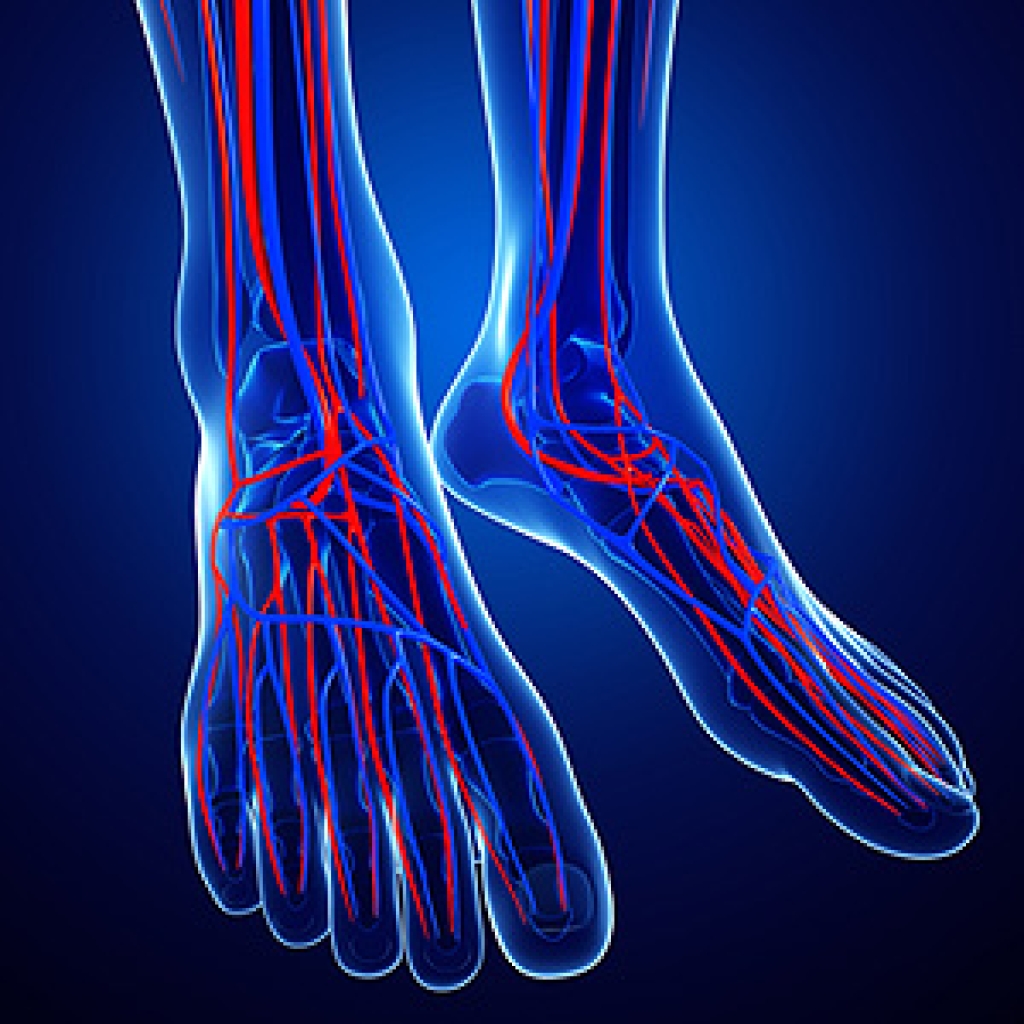
Varicose veins are a common problem for women across the world. The biggest risk factor for developing this condition is heredity. Surprisingly, over 80% of people who have varicose veins have them because of genetics. If you are looking for ways to reduce your risk of getting varicose veins, you should start by making lifestyle modifications. Maintaining an optimal weight, avoiding a sedentary lifestyle, and avoiding wearing tight clothes and heels are all ways you can reduce your risk of developing the disease. Although people consider this condition to be a cosmetic problem, it can also cause you to feel symptoms such as heaviness, pain, itching, swelling, burning, numbness, and cramps. If you have varicose veins in your lower extremities, such as the foot, you should consult with your podiatrist.

Vascular testing plays an important part in diagnosing disease like peripheral artery disease. If you have symptoms of peripheral artery disease, or diabetes, consult with Dr. Kennedy Legel from Advanced Foot & Ankle Care Specialists. Our doctor will assess your condition and provide you with quality foot and ankle treatment.

What Is Vascular Testing?

Vascular testing checks for how well blood circulation is in the veins and arteries. This is most often done to determine and treat a patient for peripheral artery disease (PAD), stroke, and aneurysms. Podiatrists utilize vascular testing when a patient has symptoms of PAD or if they believe they might. If a patient has diabetes, a podiatrist may determine a vascular test to be prudent to check for poor blood circulation.

How Is it Conducted?

Most forms of vascular testing are non-invasive. Podiatrists will first conduct a visual inspection for any wounds, discoloration, and any abnormal signs prior to a vascular test.

 The most common tests include:

  • Ankle-Brachial Index (ABI) examination
  • Doppler examination
  • Pedal pulses

These tests are safe, painless, and easy to do. Once finished, the podiatrist can then provide a diagnosis and the best course for treatment.

If you have any questions please contact our office located in Dallas, TX . We offer the newest diagnostic and treatment technologies for all your foot and ankle needs.


Read more about Vascular Testing in Podiatry

Heel Pain Can Be Treated!

Do you suffer from heel pain when you get up in the morning? If so, you should seek professional help and have a proper diagnosis performed. Heel pain can be caused by several different foot-related conditions.

Blue Jays Outfielder Suffers Ankle Sprain

Outfielder Lourdes Gurriel of the Toronto Blue Jays suffered both a knee contusion and an ankle sprain during a game against the Chicago White Sox. The injury occurred on a play where the outfielder twisted himself to avoid a tag at second base. When he attempted to slide, his left cleat caught on the dirt, forcing him to bend his knee and ankle awkwardly. After the play, it was obvious that Gurriel was in serious pain. Although initial x-rays were negative, Gurriel is expected to undergo an MRI for his ankle to determine if he suffered any further soft tissue damage.When asked about the outfielder, manager John Gibbons stated, “It looked like it was something very serious but he’s moving around okay. I’m sure it’ll tighten up on him and swell up on him. I think it’s already swelling, his ankle.” If you are experiencing symptoms from an ankle sprain and are seeking treatment, contact your podiatrist right away.

Although ankle sprains are common, they aren’t always minor injuries. If you need your ankle injury looked at, contact Dr. Kennedy Legel from Advanced Foot & Ankle Care Specialists. Our doctor can provide the care you need to keep you pain-free and on your feet.

How Does an Ankle Sprain Occur?

Ankle sprains are the result of a tear in the ligaments within the ankle. These injuries may happen when you make a rapid shifting movement while your foot is planted. A less common way to sprain your ankle is when your ankle rolls inward while your foot turns outward.

What Are the Symptoms?

  • Pain at the sight of the tear
  • Bruising/Swelling
  • Ankle area is tender to touch
  • In severe cases, may hear/feel something tear
  • Skin discoloration

Preventing a Sprain

  • Wearing appropriate shoes for the occasion
  • Stretching before exercises and sports
  • Knowing your limits

Treatment of a Sprain

In many cases, the RICE method (Rest, Ice, Compression, and Elevate) is used to treat ankle sprains. However, you should see a podiatrist to see which treatment option would work best with your injury. In severe cases, surgery may be required.

It is important to ask your doctor about rehab options after you receive treatment for your injury. Stretching, strength training, and balance exercises may help the ankle heal while also preventing further injury.

If you have any questions, please feel free to contact our office located in Dallas, TX . We offer the newest diagnostic and treatment technologies for all your foot care needs.

Read more about Ankle Sprains

How to Prevent Falls As You Age

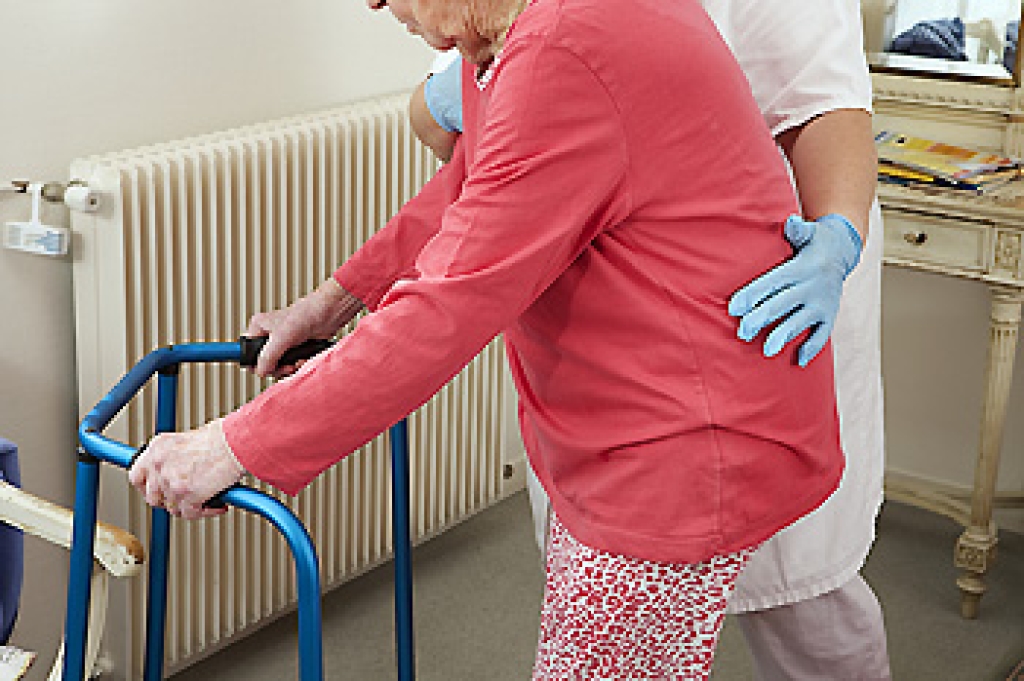
Each second of each day in the United States, an elderly person falls. This statistic is why falls are the number one cause of injuries and death among older adults according to the CDC. Since over 10,000 Americans turn 65 each day, the number of fall-related deaths and injuries suffered is expected to increase. Some of the risk factors that influence the amount of falls experienced by the elderly are reduced muscle strength, decreased activity, more severe chronic health conditions, and increased use of medications. One of the main causes of falls are deterioration in balance and strength. A solution to this issue could be found by taking vitamin D supplements to improve bone, muscle, and nerve health. If you are an older adult, you should practice strength and balance training. Activities such as Tai Chi are recommended because they will help make your legs stronger and improve your balance.

Preventing falls among the elderly is very important. If you are older and have fallen or fear that you are prone to falling, consult with Dr. Kennedy Legel from Advanced Foot & Ankle Care Specialists. Our doctor will assess your condition and provide you with quality advice and care.

Every 11 seconds, an elderly American is being treated in an emergency room for a fall related injury. Falls are the leading cause of head and hip injuries for those 65 and older. Due to decreases in strength, balance, senses, and lack of awareness, elderly persons are very susceptible to falling. Thankfully, there are a number of things older persons can do to prevent falls.

How to Prevent Falls

Some effective methods that older persons can do to prevent falls include:

  • Enrolling in strength and balance exercise program to increase balance and strength
  • Periodically having your sight and hearing checked
  • Discuss any medications you have with a doctor to see if it increases the risk of falling
  • Clearing the house of falling hazards and installing devices like grab bars and railings
  • Utilizing a walker or cane
  • Wearing shoes that provide good support and cushioning
  • Talking to family members about falling and increasing awareness

Falling can be a traumatic and embarrassing experience for elderly persons; this can make them less willing to leave the house, and less willing to talk to someone about their fears of falling. Doing such things, however, will increase the likelihood of tripping or losing one’s balance. Knowing the causes of falling and how to prevent them is the best way to mitigate the risk of serious injury.  

If you have any questions, please feel free to contact our office located in Dallas, TX . We offer the newest diagnostic and treatment technologies for all your foot care needs.

Read more about Falls Prevention

Reminder: When Was the Last Time...?

Custom orthotics, or shoe inserts, should be periodically replaced. Orthotics must fit properly to give you the best results. Protect your feet and ankles!

scroll to top