Treatments for Tarsal Tunnel Syndrome

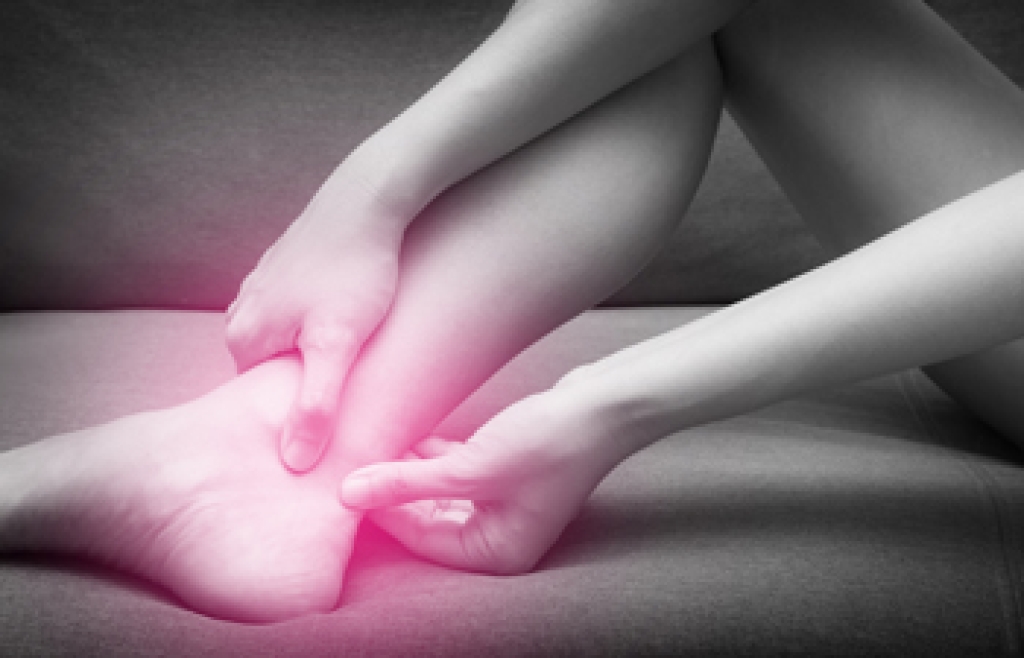
Tarsal tunnel syndrome is a nerve disorder that causes pain in the foot and ankle. It may also cause a burning or tingling sensation or numbness when walking, standing, or wearing certain shoes . This is due to the compression of the posterior tibial nerve, a nerve that runs through a canal near the heel into the sole of the foot. Repetitive stress, injuries, having flat feet, being overweight, or having a lesion near the tarsal tunnel area can cause inflammation of the surrounding tissue and nerve compression. There are a variety of treatments for tarsal tunnel syndrome. A doctor may recommend resting and icing the affected foot and taking oral medication to decrease pain and inflammation. In some cases, immobilizing the foot or using an orthotic device can help. Decompression surgery may be necessary in more severe cases. If you suspect you may have tarsal tunnel syndrome, consult with a podiatrist for diagnosis and treatment.

Tarsal tunnel syndrome can be very uncomfortable to live with. If you are experiencing tarsal tunnel syndrome, contact Dr. Kennedy Legel of Advanced Foot & Ankle Care Specialists. Our doctor can provide the care you need to keep you pain-free and on your feet.

Tarsal Tunnel Syndrome

Tarsal tunnel syndrome, which can also be called tibial nerve dysfunction, is an uncommon condition of misfiring peripheral nerves in the foot. The tibial nerve is the peripheral nerve in the leg responsible for sensation and movement of the foot and calf muscles. In tarsal tunnel syndrome, the tibial nerve is damaged, causing problems with movement and feeling in the foot of the affected leg.

Common Cause of Tarsal Tunnel Syndrome

  • Involves pressure or an injury, direct pressure on the tibial nerve for an extended period of time, sometimes caused by other body structures close by or near the knee.
  • Diseases that damage nerves, including diabetes, may cause tarsal tunnel syndrome.
  • At times, tarsal tunnel syndrome can appear without an obvious cause in some cases.

The Effects of Tarsal Tunnel Syndrome

  • Different sensations, an afflicted person may experience pain, tingling, burning or other unusual sensations in the foot of the affected leg.
  • The foot muscles, toes and ankle become weaker, and curling your toes or flexing your foot can become difficult.
  • If condition worsens, infections and ulcers may develop on the foot that is experiencing the syndrome.

A physical exam of the leg can help identify the presence of tarsal tunnel syndrome. Medical tests, such as a nerve biopsy, are also used to diagnose the condition. Patients may receive physical therapy and prescriptive medication. In extreme cases, some may require surgery.

If you have any questions please contact our office located in Dallas, TX . We offer the newest diagnostic and treatment technologies for all your foot and ankle needs.

Read more about Treating Tarsal Tunnel Syndrome

How Did I Get Plantar Fasciitis?

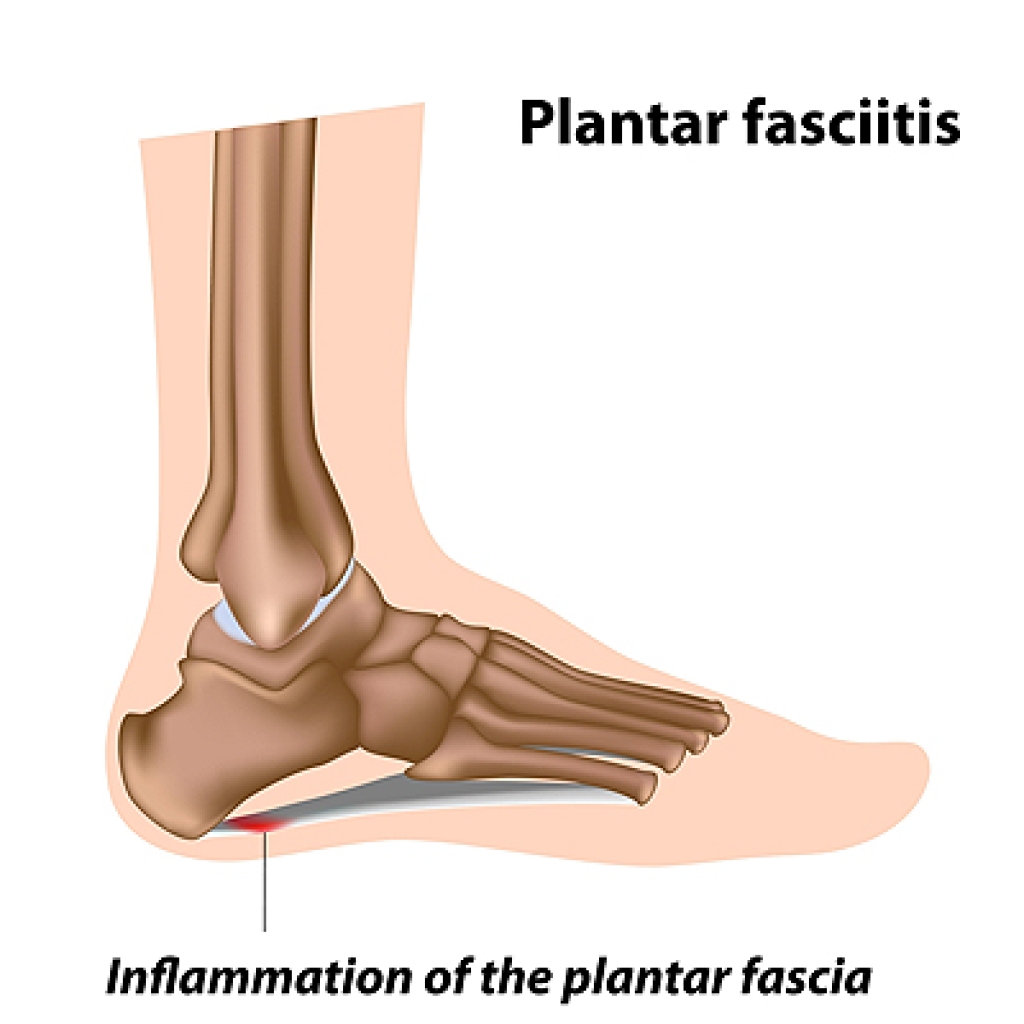
Plantar fasciitis is a condition that causes a sharp, stabbing pain near the heel. This condition is caused by injury to the plantar fascia, a thick band of tissue that runs along the bottom of the foot and connects the heel bone to the toes. This injury causes inflammation, which in turn causes pain. Running, participating in sports that are hard on the feet, and even standing for prolonged periods of time can bring about plantar fasciitis. People who have flat feet are also at an increased risk, as flat feet have a tendency to roll inward excessively while you walk and run, potentially leading to injuries. There is an association between body weight and developing plantar fasciitis. The higher your body weight, the more likely you are to experience foot pain. If you suspect that you have plantar fasciitis, it is recommended that you consult with a podiatrist for treatment.

Plantar fasciitis can be very painful and inconvenient. If you are experiencing heel pain or symptoms of plantar fasciitis, contact Dr. Kennedy Legel  from Advanced Foot & Ankle Care Specialists. Our doctor can provide the care you need to keep you pain-free and on your feet.

What Is Plantar Fasciitis?

Plantar fasciitis is the inflammation of the thick band of tissue that runs along the bottom of your foot, known as the plantar fascia, and causes mild to severe heel pain.

What Causes Plantar Fasciitis?

  • Excessive running
  • Non-supportive shoes
  • Overpronation
  • Repeated stretching and tearing of the plantar fascia

How Can It Be Treated?

  • Conservative measures – anti-inflammatories, ice packs, stretching exercises, physical therapy, orthotic devices
  • Shockwave therapy – sound waves are sent to the affected area to facilitate healing and are usually used for chronic cases of plantar fasciitis
  • Surgery – usually only used as a last resort when all else fails. The plantar fascia can be surgically detached from the heel

While very treatable, plantar fasciitis is definitely not something that should be ignored. Especially in severe cases, speaking to your doctor right away is highly recommended to avoid complications and severe heel pain. Your podiatrist can work with you to provide the appropriate treatment options tailored to your condition.

If you have any questions, please feel free to contact our office located in Dallas, TX . We offer the newest diagnostic and treatment technologies for all your foot care needs.

Read more about Plantar Fasciitis

Run With the Right Shoes

Running is a great exercise for your overall health, but to ensure that you are getting the maximum benefits, make sure that you are wearing the right shoes! Wearing ill-fitting or unsupportive running shoes can increase your risk of injury, so it is important to choose high-quality shoes that fit correctly. Running shoes should be slightly larger in size than your average, everyday footwear. This is because when you run, your feet repeatedly hit the ground and your toes move forward in the shoes. If your toes lack the room to move, you may find yourself with an injury. Your shoe size can change over the course of your lifetime, so it is important to make no assumptions regarding your current running shoe size. Measure your foot or have a proper shoe fitting performed at a shoe store in order to help you find the right size. For more tips on finding the correct running shoes for you, consult with a podiatrist.

Getting the right shoe size is an important part of proper foot health. Seek the assistance of Dr. Kennedy Legel from Advanced Foot & Ankle Care Specialists. Our doctor will provide the care you need to keep you pain-free and on your feet.

Getting the Right Shoe Size

There are many people who wear shoes that are the incorrect size, negatively affecting their feet and posture. Selecting the right shoes is not a difficult process, so long as you keep several things in mind when it comes to choosing the right pair.

  • When visiting the shoe store, use the tools available to measure your foot.
  • Be sure there is ‘wiggle room’. There should be about an inch between your toes and the tip of your shoes.
  • Do not always assume you are the same size, as manufacturers run differently.
  • Purchase shoes later in the day, as your feet swell as the day progresses.
  • If a shoe is not comfortable, it is not suitable. Most shoes can’t be ‘broken in’, and comfort should be the ultimate goal when it comes to choosing the right pair of shoes

As our feet hold our body weight and keep us moving, it is important to treat them right. Picking the right pair of shoes can provide your feet comfort and mobility without pain.

If you have any questions, please feel free to contact our office located in Dallas, TX . We offer the newest diagnostic and treatment technologies for all your foot care needs.

Read more about Getting the Right Shoe Size: To Keep Your Feet Happy

Why Biomechanics Are Important

In podiatry, biomechanics involves assessing the structure, alignment and function of the feet. The foot provides us with the ability to walk upright and has developed to adapt to whatever surfaces we walk on. Because the average person takes between 5,000 and 18,000 steps in a single day, the foot can experience stress from repetitiveness, resulting in injury. While options such as orthotics can help prevent injury, paying special attention to the strength and flexibility of the feet allow their function to improve. Therefore, if you are actively on your feet, make sure to consult with a podiatrist to help find any predisposed issues.

If you have any concerns about your feet, contact Dr. Kennedy Legel from Advanced Foot & Ankle Care Specialists. Our doctor can provide the care you need to keep you pain-free and on your feet.

Biomechanics in Podiatry

Podiatric biomechanics is a particular sector of specialty podiatry with licensed practitioners who are trained to diagnose and treat conditions affecting the foot, ankle and lower leg. Biomechanics deals with the forces that act against the body, causing an interference with the biological structures. It focuses on the movement of the ankle, the foot and the forces that interact with them.

A History of Biomechanics

  • Biomechanics dates back to the BC era in Egypt where evidence of professional foot care has been recorded.
  • In 1974, biomechanics gained a higher profile from the studies of Merton Root, who claimed that by changing or controlling the forces between the ankle and the foot, corrections or conditions could be implemented to gain strength and coordination in the area.

Modern technological improvements are based on past theories and therapeutic processes that provide a better understanding of podiatric concepts for biomechanics. Computers can provide accurate information about the forces and patterns of the feet and lower legs.

Understanding biomechanics of the feet can help improve and eliminate pain, stopping further stress to the foot.

If you have any questions please feel free to contact our office located in Dallas, TX . We offer the newest diagnostic and treatment technologies for all your foot and ankle needs.

Read more about The Importance of Biomechanics in Podiatry
scroll to top