Feet Problems in the Elderly

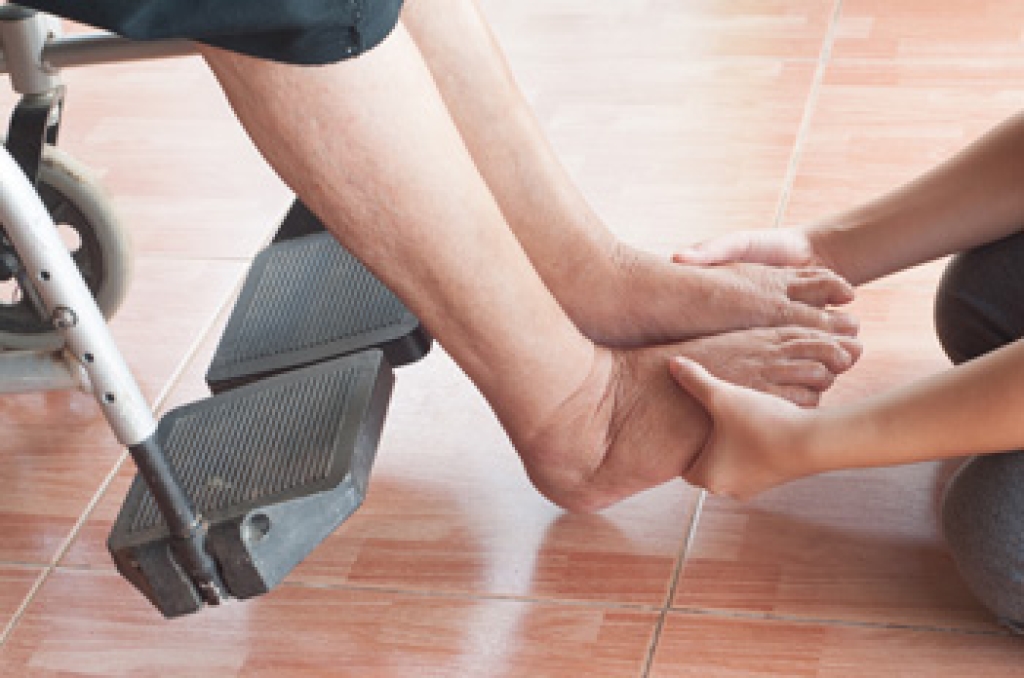
The foot can be compared to a tire of a car. After many years of use, a foot can wear down like tires wear down. A tire becomes thin and the tread less dependable over time just as a human foot shows its age over time. The key difference between a foot and a tire is the former cannot be changed. We get one pair of feet per life. Because seniors are generally less active than those younger, they may not pay as much attention to their feet as they once did. But as one ages, they need to pay even more attention to their feet. If you are a senior you will likely experience foot pain. And foot pain is highly associated with a higher risk of recurrent falls, reduced mobility, and a loss of independence. Muscles and tendons lose elasticity with age and that contributes to pain. Additionally elderly foot pain is a result of putting on weight, losing fat on the padding of feet, compromised blood flow from health problems (such as diabetes or peripheral neuropathy), persistent foot problems, such as hammertoes, bunions, corns, calluses, wearing shoes that do not fit well, or simple neglect in care. Daily foot inspections, washing, drying, and moisturizing feet frequently, and cutting toenails straight across are all part of a good foot care routine. Paying attention to diet, exercising, and wearing properly fitted shoes and socks will all help in alleviating foot problems as well. If you are a senior or responsible for caring for a senior, include a podiatrist on the health care team to teach you how to care for your feet or provide diagnosis and treatment should a problem arise.

Proper foot care is something many older adults forget to consider. If you have any concerns about your feet and ankles, contact Dr. Kennedy Legel from Advanced Foot & Ankle Care Specialists. Our doctor can provide the care you need to keep you pain-free and on your feet.

The Elderly and Their Feet

As we age we start to notice many changes in our body, but the elder population may not notice them right away. Medical conditions may prevent the elderly to take notice of their foot health right away. Poor vision is a lead contributor to not taking action for the elderly.

Common Conditions 

  • Neuropathy – can reduce feeling in the feet and can hide many life-threatening medical conditions.
  • Reduced flexibility – prevents the ability of proper toenail trimming, and foot cleaning. If left untreated, it may lead to further medical issues.
  • Foot sores – amongst the older population can be serious before they are discovered. Some of the problematic conditions they may face are:
  • Gouging toenails affecting nearby toe
  • Shoes that don’t fit properly
  • Pressure sores
  • Loss of circulation in legs & feet
  • Edema & swelling of feet and ankles

Susceptible Infections

Diabetes and poor circulation can cause general loss of sensitivity over the years, turning a simple cut into a serious issue.

If you have any questions, please feel free to contact our office located in Dallas, TX . We offer the newest diagnostic and treatment technologies for all your foot care needs.
Read more about Taking Care of Elderly Feet

Types of Arthritis That Can Develop in the Feet

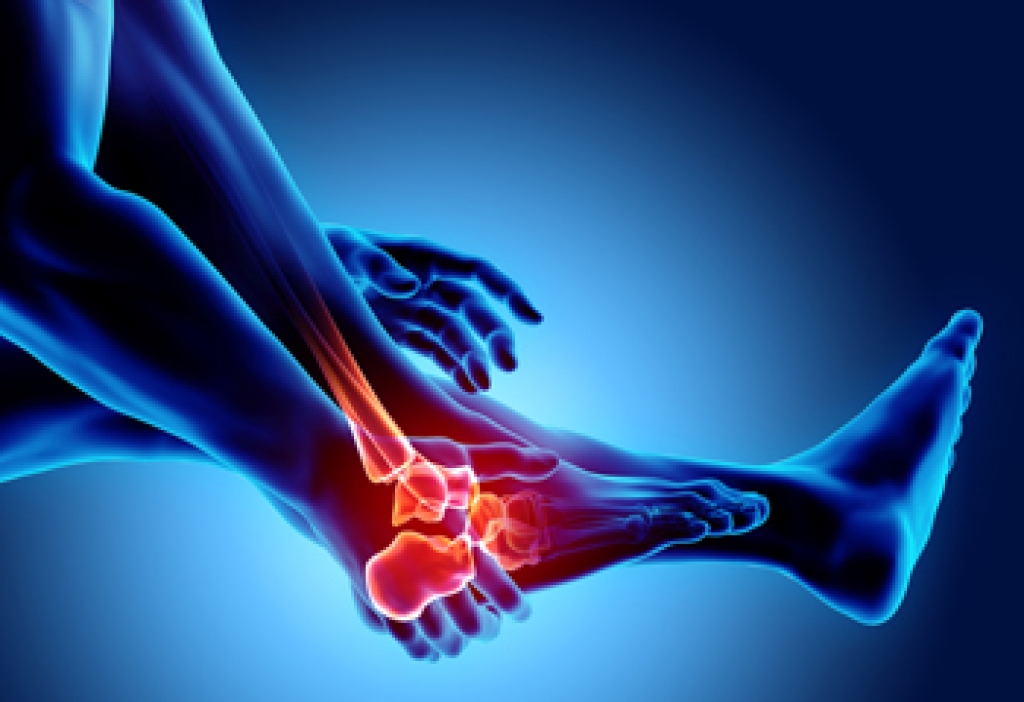
Research has indicated that approximately 50 percent of people who are in their 60’s and 70’s will develop arthritis in their feet. Additionally, if a patient has sustained a foot injury, arthritis may develop more quickly. The most common forms of arthritis in the feet include rheumatoid, gout, osteoarthritis, and posttraumatic. Osteoarthritis typically targets people who are 60 years or older and produces severe pain in the joints of the toes. It may be worse in the morning after arising and can often become inflamed. Gout is caused by having excess uric acid in the bloodstream that forms crystals that lodge in the joints of the big toe. The pain from gout can be debilitating. Rheumatoid arthritis may be triggered by an autoimmune disorder that can cause foot deformities if not treated promptly. If an injury has occurred, it may trigger posttraumatic arthritis, and this may cause pain and discomfort. It is important to control the inflammation and pain with any type of arthritis, and it is suggested that you seek the counsel of a podiatrist who can guide you toward correct treatment techniques.

Arthritis can be a difficult condition to live with. If you are seeking treatment, contact Dr. Kennedy Legel from Advanced Foot & Ankle Care Specialists. Our doctor can provide the care you need to keep you pain-free and on your feet.

Arthritic Foot Care  

Arthritis is a joint disorder that involves the inflammation of different joints in your body, such as those in your feet. Arthritis is often caused by a degenerative joint disease and causes mild to severe pain in all affected areas. In addition to this, swelling and stiffness in the affected joints can also be a common symptom of arthritis.

In many cases, wearing ill-fitting shoes can worsen the effects and pain of arthritis. Wearing shoes that have a lower heel and extra room can help your feet feel more comfortable. In cases of rheumatoid arthritis, the arch in your foot may become problematic. Buying shoes with proper arch support that contour to your feet can help immensely.

Alleviating Arthritic Pain

  • Exercises that stretch the foot can prevent further pain and injury and increase mobility
  • Most of the pain can be alleviated with anti-inflammatory drugs, heat, and topical medications
  • Massages can help temporarily alleviate pain.

It is best to see your doctor for the treatment that is right for your needs and symptoms. Conditions vary, and a podiatrist can help you determine the right method of care for your feet.

If you have any questions please feel free to contact our office located in Dallas, TX . We offer the newest diagnostic tools and technology to treat your foot and ankle needs.

Read more about Arthritic Foot Care

The Benefits of Children Walking Outside Without Shoes

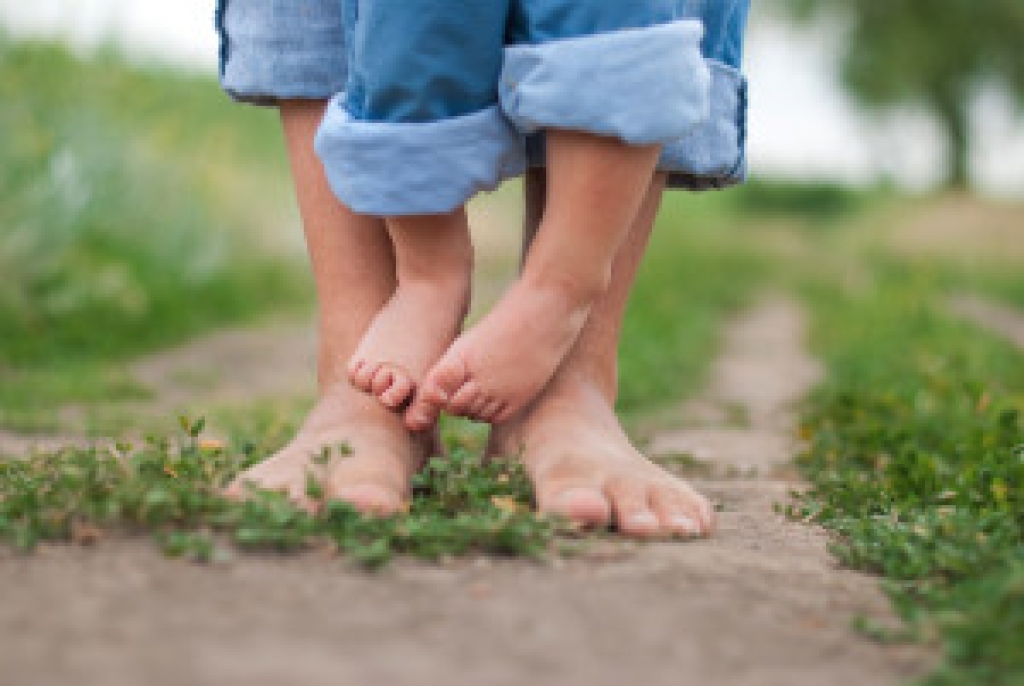
Research has indicated that children may have a heightened sense of awareness of their surroundings when they frequently walk barefoot. They may be able to notice a sharp object on the ground quicker than if they were wearing shoes, for fear of stepping on it. Many parents are concerned about spreading germs if their child walks barefoot outside, but disease is more apt to spread by hands than feet. Shoes have been known to hold bacteria and moisture, which can lead to athlete’s foot. Additionally, it is said when our feet touch the earth, our bodies pick up negative electrons. This may be instrumental in offsetting the large amount of positive electrons that can come from electronic devices. There are pressure points in the feet which are connected to nerve endings. When children do not wear shoes while walking on dirt and playing outside, the entire nervous system can be stimulated. The muscles in the feet typically become stronger when shoes are not worn as the toes grip the earth. If you have questions or concerns about the benefits of your child walking outside without shoes, please confer with a podiatrist.

The health of a child’s feet is vital to their overall well-being. If you have any questions regarding foot health, contact Dr. Kennedy Legel of Advanced Foot & Ankle Care Specialists. Our doctor can provide the care you need to keep you pain-free and on your feet.

Tips for Keeping Children's Feet Healthy

  • Make sure their shoes fit properly
  • Look for any signs of in-toeing or out-toeing
  • Check to see if they have Clubfoot (condition that affects your child’s foot and ankle, twisting the heel and toes inward) which is one of the most common nonmajor birth defects.
  • Lightly cover your baby’s feet (Tight covers may keep your baby from moving their feet freely, and could prevent normal development)
  • Allow your toddler to go shoeless (Shoes can be restricting for a young child’s foot)
  • Cut toenails straight across to avoid ingrown toenails
  • Keep your child’s foot clean and dry
  • Cover cuts and scrapes. Wash any scratches with soap and water and cover them with a bandage until they’ve healed.

If you have any questions, please feel free to contact our office located in Dallas, TX . We offer the newest diagnostic and treatment technologies for all your foot care needs.
Read more about How to Care for Your Child's Feet

3 Tips for Preventing Running Injuries

Running is a widespread recreational activity. However, a large portion of those who engage in running can suffer from running-related injuries at some point in their lives. Injuries to the feet can be common among these running-related injuries. There are several steps that you might take to prevent running injuries to your feet. First, you can be diligent about stretching your feet both before and after your runs, focusing also on the lower calves. This serves to loosen the muscles in your feet, effectively reducing tension and strain. Second, you might consider receiving some kind of regular foot massage treatment to further relax the muscles in your feet. This might be particularly effective if you notice that muscles in your feet or lower legs are becoming sore. Third, you might avoid running on uneven surfaces. This is recommended because uneven terrain can increase the likelihood of falls, which can wreak havoc on your feet. If you engage in running, it is a good decision to consult with a podiatrist about how to proactively prevent running injuries.

Exercising your feet regularly with the proper foot wear is a great way to prevent injuries. If you have any concerns about your feet, contact Dr. Kennedy Legel of Advanced Foot & Ankle Care Specialists. Our doctor will treat your foot and ankle needs.

How to Prevent Running Injuries

Many common running injuries are caused by overuse and overtraining. When the back of the kneecap starts wearing out and starts causing pain in your knee, this is commonly referred to as runner’s knee. Runner’s knee is a decrease in strength in your quadriceps and can occur if you’re not wearing properly fitted or supporting shoes. To prevent runner’s knee, focusing on hip strengthening is a good idea, as well as strengthening your quads to keep the kneecaps aligned.

What Are Some Causes of Running Injuries? 
- One cause of a common running injury is called iliotibial band syndrome.
- Plantar fasciitis is also another common injury.
- Stress fractures can occur from overtraining, lack of calcium, or even your running style.

Best Ways to Prevent Running Injuries
- Wear footwear that fits properly and suits your running needs.
- Running shoes are the only protective gear that runners have to safeguard them from injury.
- Make a training schedule. Adding strengthening exercises as well as regular stretching can help keep you strong and limber and can lessen the possibility of injuries.
- Stretching keeps muscles limber; this will help you gain better flexibility.

If you have any questions, please feel free to contact our office located in Dallas, TX . We offer the newest diagnostic and treatment technologies for all your foot care needs.

Read more about How to Prevent Running Injuries
scroll to top