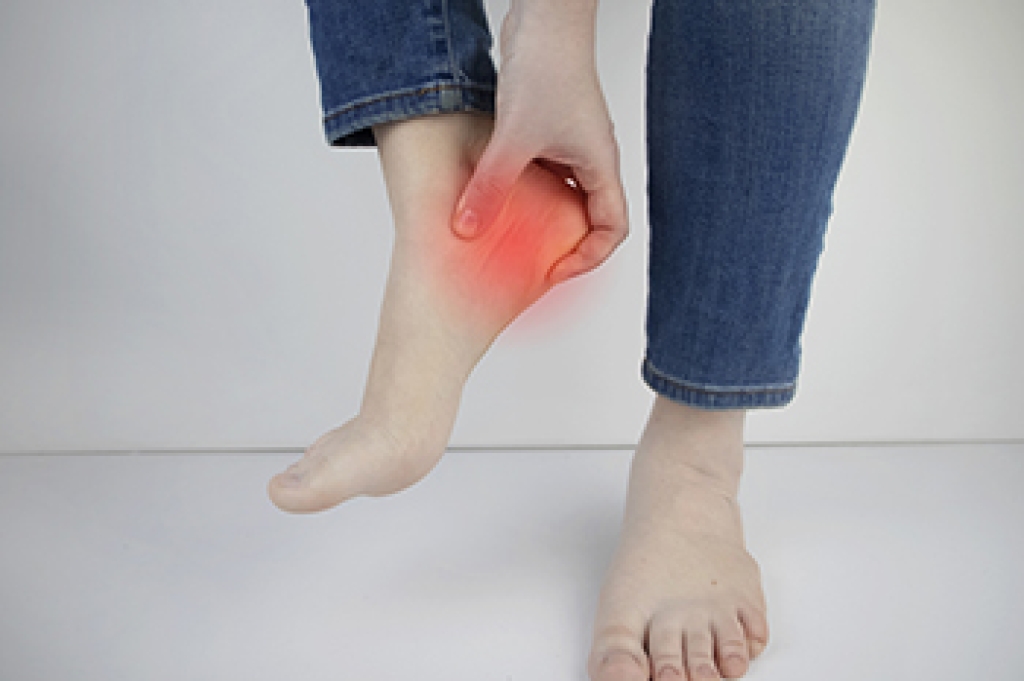
Facts About Plantar Fasciitis

Plantar fasciitis is the most commonly reported cause of heel discomfort. This condition targets the plantar fascia, which is a broad ligament that extends from the heel to toes. When it is overused, such as from running for long periods of time, tiny tears can result. This leads to irritation and inflammation and ultimately causes heel pain. The discomfort is more intense in the early morning, but can gradually subside as the day progresses due to the warming and stretching effects on the fascia. Problems with the foot's structure, such as flat feet or high arches, can contribute to plantar fasciitis, but its most common cause is repetitive use. It also can result from prolonged standing or wearing unsupportive footwear. Performing certain stretching exercises, refraining from walking barefoot, wearing appropriate footwear, and periodically resting the feet can help to alleviate the pain. An effective simple morning exercise involves flexing the foot ten times before getting out of bed, or after sitting for an extended period of time. In cases of persistent pain, custom orthotics for cushioning and night splints may be introduced. In more extreme scenarios, corticosteroid injections can offer pain relief. For help in managing the pain of plantar fasciitis, it is suggested that you make an appointment with a podiatrist. 

Plantar fasciitis can be very painful and inconvenient. If you are experiencing heel pain or symptoms of plantar fasciitis, contact Dr. Kennedy Legel  from Advanced Foot & Ankle Care Specialists. Our doctor can provide the care you need to keep you pain-free and on your feet.

What Is Plantar Fasciitis?

Plantar fasciitis is the inflammation of the thick band of tissue that runs along the bottom of your foot, known as the plantar fascia, and causes mild to severe heel pain.

What Causes Plantar Fasciitis?

  • Excessive running
  • Non-supportive shoes
  • Overpronation
  • Repeated stretching and tearing of the plantar fascia

How Can It Be Treated?

  • Conservative measures – anti-inflammatories, ice packs, stretching exercises, physical therapy, orthotic devices
  • Shockwave therapy – sound waves are sent to the affected area to facilitate healing and are usually used for chronic cases of plantar fasciitis
  • Surgery – usually only used as a last resort when all else fails. The plantar fascia can be surgically detached from the heel

While very treatable, plantar fasciitis is definitely not something that should be ignored. Especially in severe cases, speaking to your doctor right away is highly recommended to avoid complications and severe heel pain. Your podiatrist can work with you to provide the appropriate treatment options tailored to your condition.

If you have any questions, please feel free to contact our office located in Dallas, TX . We offer the newest diagnostic and treatment technologies for all your foot care needs.
Read more about Plantar Fasciitis

Foot Care Tips for Seniors

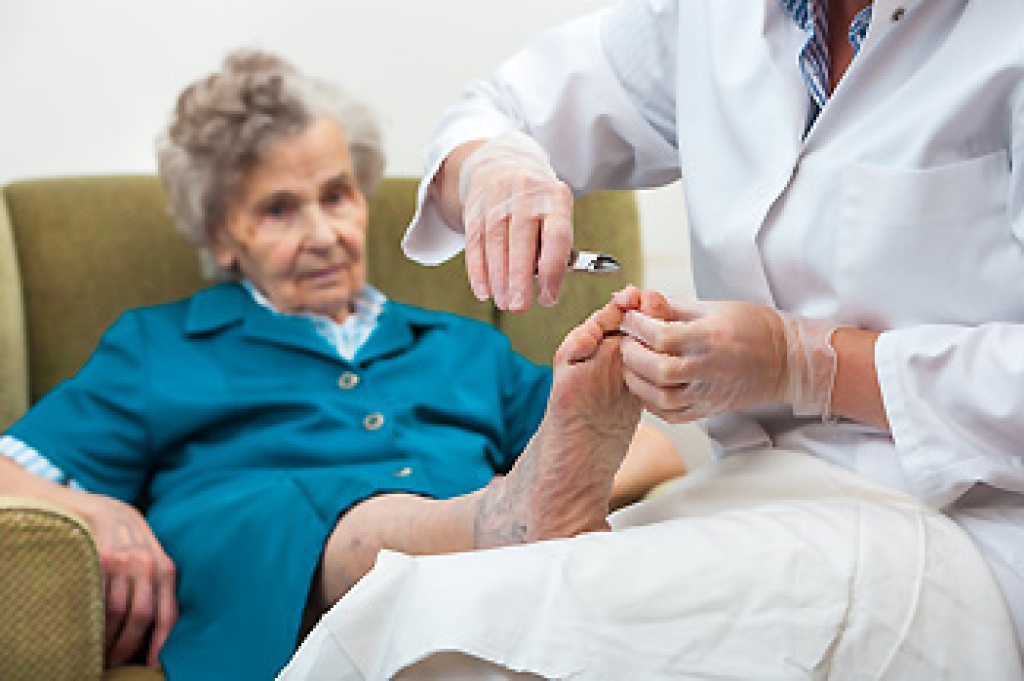
Properly caring for aging feet is crucial for maintaining a senior's health. Wearing properly fitted shoes, washing and moisturizing the feet daily, and conducting regular foot checks are all essential practices. Trimming the nails is also important, as well as seeking assistance from caregivers, family members, or other professionals for help if needed. Minimizing foot injuries is vital to prevent further issues. Participating in regular exercise will also keep the feet in good condition. Embracing nutritious diets promotes overall health. Resting the feet and avoiding high heels can further safeguard them. Special care is needed for seniors with diabetes to prevent complications. If you are a senior or you take care of one, it is suggested that you make an appointment with a podiatrist to obtain daily professional care. 

If you need your feet checked, contact Dr. Kennedy Legel of Advanced Foot & Ankle Care Specialists. Our doctor will attend to all of your foot and ankle needs and provide you with quality treatment.

Geriatrics and Podiatry
When people age, some common issues that may occur are bone density loss, dry skin, poor circulation, and rough brittle nails. These issues may also affect your foot health if the necessary steps are not taken to alleviate the problems.

It is important to take care of your feet because feet that are injured or diseased can affect your overall health. Having painful feet hinders your ability to do daily activities or may decrease your willingness to do the things that you need to do.

Visiting Your Geriatrician
As we age, health problems become more likely, so it is essential to visit your doctor for check-ups to ensure that you are doing the best you can to take care of your health. It is recommended to check your feet frequently for any possible cuts, bruises, swelling, corns or any other irregularities. 

Taking Care of Elderly Feet
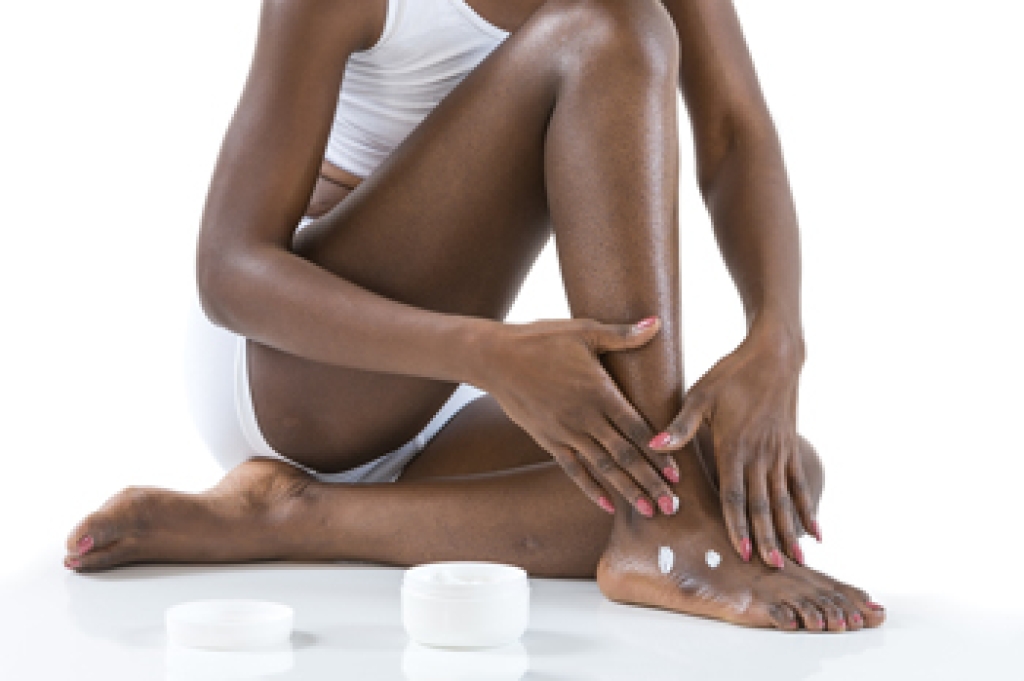
Cracked or dry feet can be treated by applying moisturizer often. It is also important not to wear old socks because the older the sock is, the higher the possibility there will be that there is bacteria there. Wear fresh socks and make sure they fit properly.

Proper foot health means that you can have a more active lifestyle and you will not be bogged down by pain. Foot health also leads to good circulation, which is paramount for overall health.

If you have any questions, please feel free to contact our office located in Dallas, TX . We offer the newest diagnostic and treatment technologies for all your foot care needs.

Read more about Geriatrics and Podiatry

Can Poor Circulation Be Prevented?

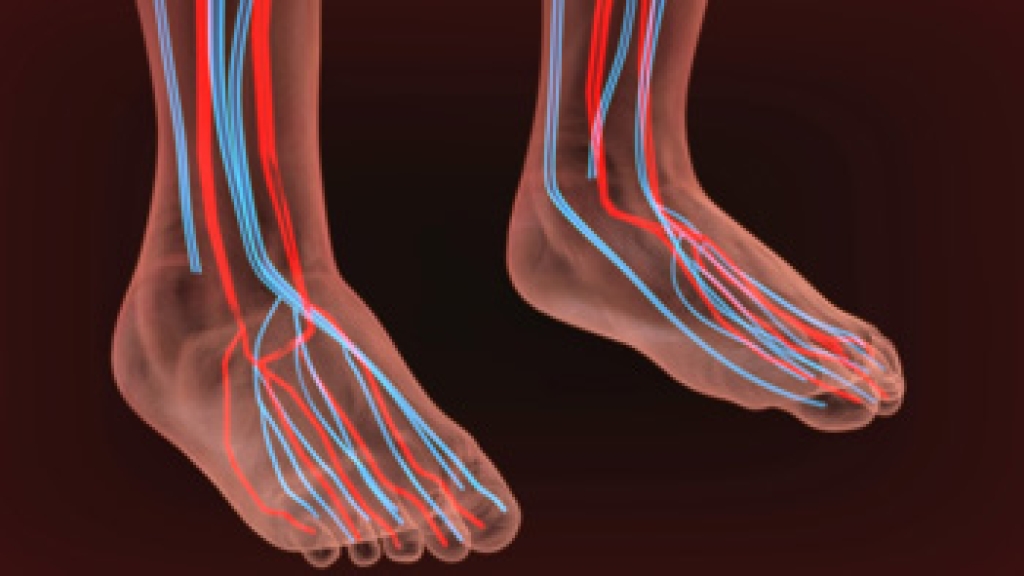
Maintaining good circulation is vital for overall health. Symptoms often noticed in the feet include a numbing or tingling sensation and they may feel cold. There are methods that can be implemented that may help to prevent poor circulation naturally. First, stay active and engage in regular exercise to promote blood flow. Avoid sitting or standing for prolonged periods of time, and take short walks or stretch breaks. Maintain a healthy diet, including foods rich in antioxidants and essential nutrients. Quit smoking, as it constricts blood vessels and hinders circulation. Manage stress through relaxation techniques, like meditation or yoga. Opt for compression socks or stockings to improve blood flow in the legs. Keep your body hydrated and avoid excessive alcohol consumption. Ensure proper posture and avoid crossing your legs when sitting. Finally, avoid tight-fitting clothing that can restrict blood flow. If you notice signs of poor circulation in your feet, it is suggested that you consult with a podiatrist who can help you to manage this condition.

While poor circulation itself isn’t a condition; it is a symptom of another underlying health condition you may have. If you have any concerns with poor circulation in your feet contact Dr. Kennedy Legel of Advanced Foot & Ankle Care Specialists. Our doctor will treat your foot and ankle needs.

Poor Circulation in the Feet

Peripheral artery disease (PAD) can potentially lead to poor circulation in the lower extremities. PAD is a condition that causes the blood vessels and arteries to narrow. In a linked condition called atherosclerosis, the arteries stiffen up due to a buildup of plaque in the arteries and blood vessels. These two conditions can cause a decrease in the amount of blood that flows to your extremities, therefore resulting in pain.

Symptoms

Some of the most common symptoms of poor circulation are:

  • Numbness
  • Tingling
  • Throbbing or stinging pain in limbs
  • Pain
  • Muscle Cramps

Treatment for poor circulation often depends on the underlying condition that causes it. Methods for treatment may include insulin for diabetes, special exercise programs, surgery for varicose veins, or compression socks for swollen legs.

As always, see a podiatrist as he or she will assist in finding a regimen that suits you. A podiatrist can also prescribe you any needed medication. 

If you have any questions, please feel free to contact our office located in Dallas, TX . We offer the newest diagnostic and treatment technologies for all your foot care needs.
Read more about Causes, Symptoms, and Treatment of Poor Blood Circulation in the Feet

Simple Tips for Happy Feet

Your feet not only leave a lasting impression but also reveal a lot about your hygiene. They can speak volumes about your foot health, including pain and fungal issues. To avoid these problems, prioritize foot care with these simple tips. First and foremost, maintain foot hygiene by thoroughly cleaning your feet, especially the toenails and between the toes, to prevent infections and pain. Incorporate foot soaks into your routine, using Epsom salt in warm water once or twice a week to soothe your feet. After soaking, moisturize to prevent dryness and cracks. Additionally, always wear appropriate and well-fitting footwear with proper soles for adequate arch support. Avoid excessive use of high heels, which can contribute to foot pain. Rotate your shoes regularly to allow them to air out and avoid fungal growth from sweat buildup. By adopting these daily habits, you'll promote foot health and overall well-being. If you find that you are experiencing foot problems that do not respond to rest, it is suggested that you make an appointment with a podiatrist.

Everyday foot care is very important to prevent infection and other foot ailments. If you need your feet checked, contact Dr. Kennedy Legel from Advanced Foot & Ankle Care Specialists. Our doctor can provide the care you need to keep you pain-free and on your feet.

Everyday Foot Care

Often, people take care of their bodies, face and hair more so than they do for their feet. But the feet are a very important aspect of our bodies, and one that we should pay more attention to. Without our feet, we would not be able to perform most daily tasks.

It is best to check your feet regularly to make sure there are no new bruises or cuts that you may not have noticed before. For dry feet, moisturizer can easily be a remedy and can be applied as often as necessary to the affected areas. Wearing shoes that fit well can also help you maintain good foot health, as well as making it easier to walk and do daily activities without the stress or pain of ill-fitting shoes, high heels, or even flip flops. Wearing clean socks with closed shoes is important to ensure that sweat and bacteria do not accumulate within the shoe. Clean socks help to prevent Athlete’s foot, fungi problems, bad odors, and can absorb sweat.

If you have any questions, please feel free to contact our office located in Dallas, TX . We offer the newest diagnostic and treatment technologies for all your foot care needs.

Read more about Everyday Foot Care
scroll to top