Tarsal Tunnel Syndrome and Its Causes

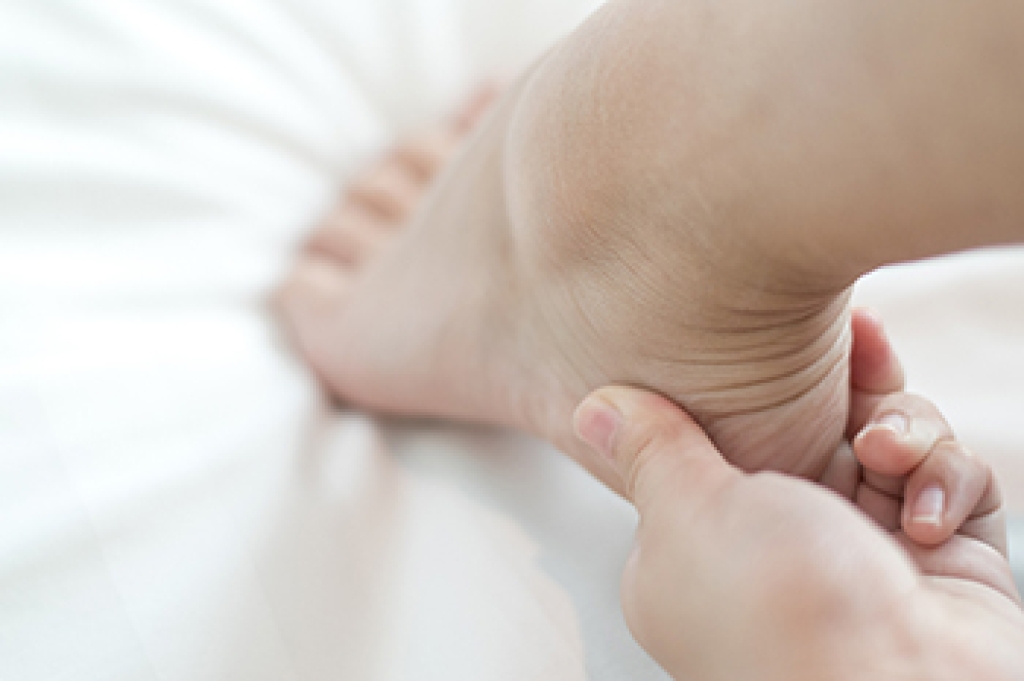
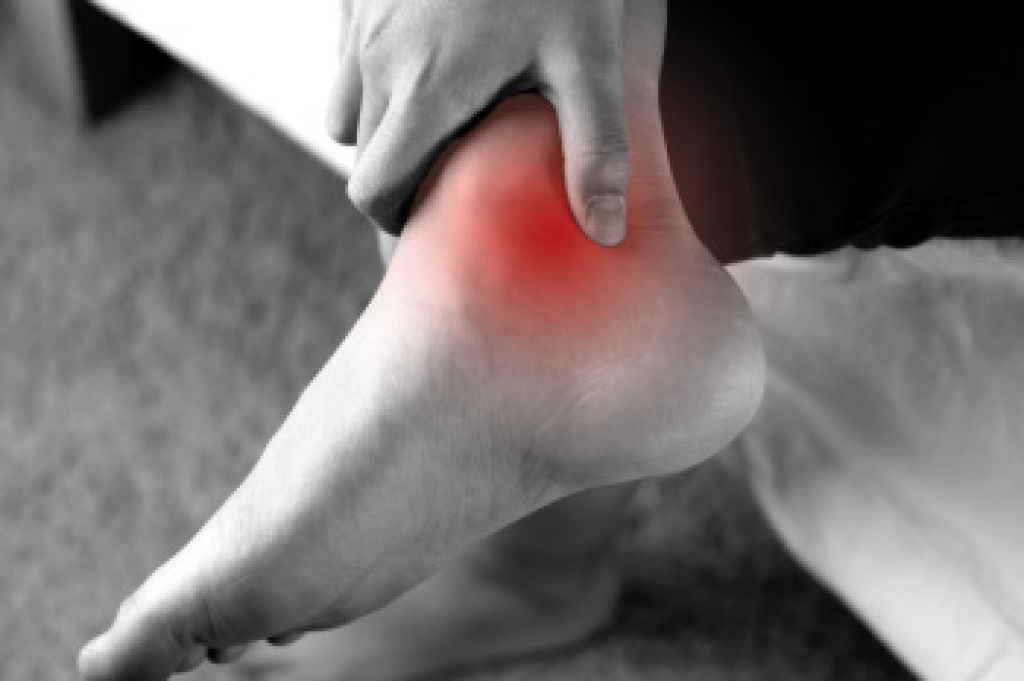
Tarsal tunnel syndrome is a condition caused by compression of the posterior tibial nerve, which runs along the inside of the ankle through a narrow space called the tarsal tunnel. It is similar to carpal tunnel syndrome in the wrist. Causes can include injury, flat feet, swelling, or growths that put pressure on the nerve. Symptoms often involve tingling, burning, numbness, or shooting pain in the foot and ankle. Risk factors include repetitive stress, certain foot shapes, and medical conditions like arthritis or diabetes. A podiatrist can diagnose the condition, relieve nerve pressure, and recommend treatments such as orthotics, or, in severe cases, surgery. If you have persistent ankle or foot nerve pain, it is suggested that you visit a podiatrist who can accurately diagnose and treat what may be going on.

Tarsal tunnel syndrome can be very uncomfortable to live with. If you are experiencing tarsal tunnel syndrome, contact Dr. Kennedy Legel of Advanced Foot & Ankle Care Specialists. Our doctor can provide the care you need to keep you pain-free and on your feet.

Tarsal Tunnel Syndrome

Tarsal tunnel syndrome, which can also be called tibial nerve dysfunction, is an uncommon condition of misfiring peripheral nerves in the foot. The tibial nerve is the peripheral nerve in the leg responsible for sensation and movement of the foot and calf muscles. In tarsal tunnel syndrome, the tibial nerve is damaged, causing problems with movement and feeling in the foot of the affected leg.

Common Cause of Tarsal Tunnel Syndrome

  • Involves pressure or an injury, direct pressure on the tibial nerve for an extended period of time, sometimes caused by other body structures close by or near the knee.
  • Diseases that damage nerves, including diabetes, may cause tarsal tunnel syndrome.
  • At times, tarsal tunnel syndrome can appear without an obvious cause in some cases.

The Effects of Tarsal Tunnel Syndrome

  • Different sensations, an afflicted person may experience pain, tingling, burning or other unusual sensations in the foot of the affected leg.
  • The foot muscles, toes and ankle become weaker, and curling your toes or flexing your foot can become difficult.
  • If condition worsens, infections and ulcers may develop on the foot that is experiencing the syndrome.

A physical exam of the leg can help identify the presence of tarsal tunnel syndrome. Medical tests, such as a nerve biopsy, are also used to diagnose the condition. Patients may receive physical therapy and prescriptive medication. In extreme cases, some may require surgery.

If you have any questions please contact our office located in Dallas, TX . We offer the newest diagnostic and treatment technologies for all your foot and ankle needs.
Read more about Tarsal Tunnel Syndrome

Care Options for Plantar Fibroma

A plantar fibroma is a firm growth that develops within the arch of the foot along the plantar fascia. While typically noncancerous, it can cause discomfort, especially when walking or standing for long periods of time. Podiatrists can evaluate the size, location, and impact of the fibroma before recommending treatment. Non-surgical care may involve custom orthotic inserts to redistribute pressure, padding to reduce irritation, and targeted exercises to ease tension in the surrounding tissues. In some cases, steroid injections or other therapies may be used to lessen inflammation and pain. When the fibroma continues to grow or causes significant discomfort, surgical removal might be considered. Addressing the condition early can help improve comfort and prevent worsening symptoms. If you notice a persistent lump in your foot or pain in your arch, it is suggested you have it examined by a podiatrist who can accurately diagnose and offer relief tips for a plantar fibroma.

A plantar fibroma may disrupt your daily activities. If you have any concerns, contact Dr. Kennedy Legel of Advanced Foot & Ankle Care Specialists. Our doctor can provide the care you need to keep you pain-free and on your feet.

Plantar Fibroma

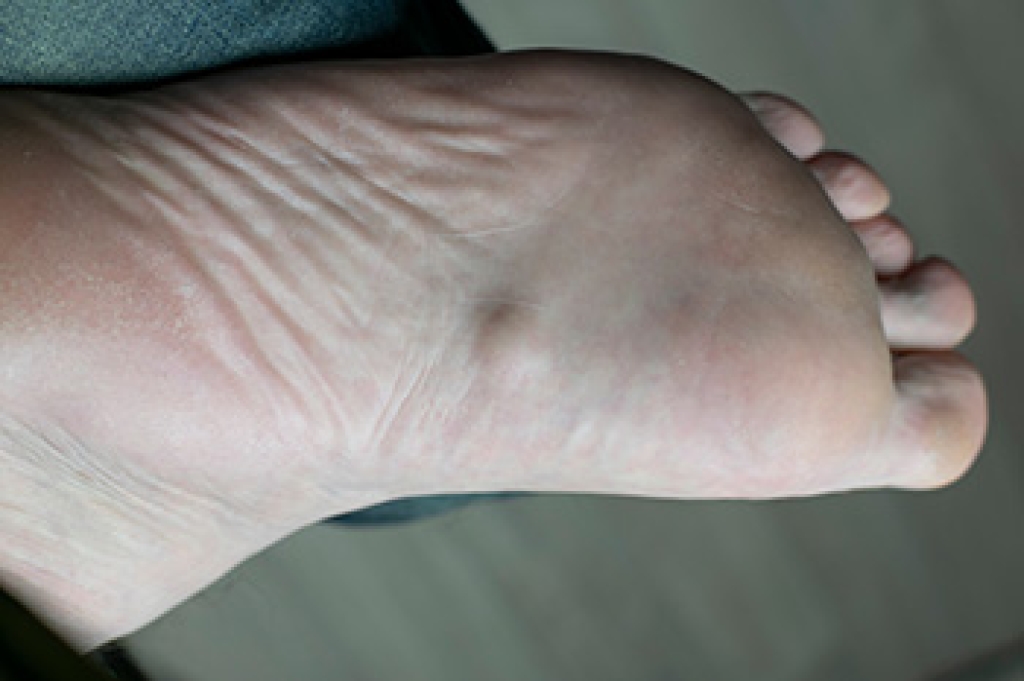
A plantar fibroma is a fibrous knot in the arch of the foot. It is embedded in the plantar fascia which is a band of tissue that extends from the heel to the toes along the bottom of the foot. There can be multiple plantar fibromas in the feet at the same time. There are no known causes for this condition. If you have a plantar fibroma, there will be a bump in the arch of your foot that cannot be missed. Any associated pain is most often due to a shoe rubbing against the nodule. Non-surgical options, such as steroid injections, physical therapy, and orthotics should be tried first. Surgery is a last resort and is the only thing that will remove a plantar fibroma entirely. Consult with a podiatrist for a proper diagnosis and to determine the treatment regimen that is right for you.

What Causes a Plantar Fibroma?

While there are no specific causes identified, a plantar fibroma can possibly come from genetic predisposition or the formation of scar tissue that forms from healing the tears in the plantar fascia.

What Are the Symptoms of a Plantar Fibroma?

There will be a noticeable lump in the arch of the foot that may or may not cause pain. If pain is felt, it is typically because a shoe is rubbing up against the lump or when walking or standing barefoot.

Treatment and Prevention

A plantar fibroma will not disappear without treatment, but it can get smaller and be a non-issue. If pain persists, a podiatrist examines the foot and when the arch of the foot is pressed, pain can be felt down to the toes. An MRI or biopsy might be performed to help diagnose or evaluate the plantar fibroma. The following non-surgical options are generally enough to reduce the size and pain of these nodules:

  • Steroid injections
  • Orthotics
  • Physical therapy to help apply anti-inflammatory creams on the bump 

Surgery is considered if the mass increases in size and the patient continues to feel pain after non-surgical methods are tried.

If you have any questions, please feel free to contact our office located in Dallas, TX . We offer the newest diagnostic and treatment technologies for all your foot care needs.

Read more about Plantar Fibroma

How Flip-Flops Can Impact Your Gait and Foot Health

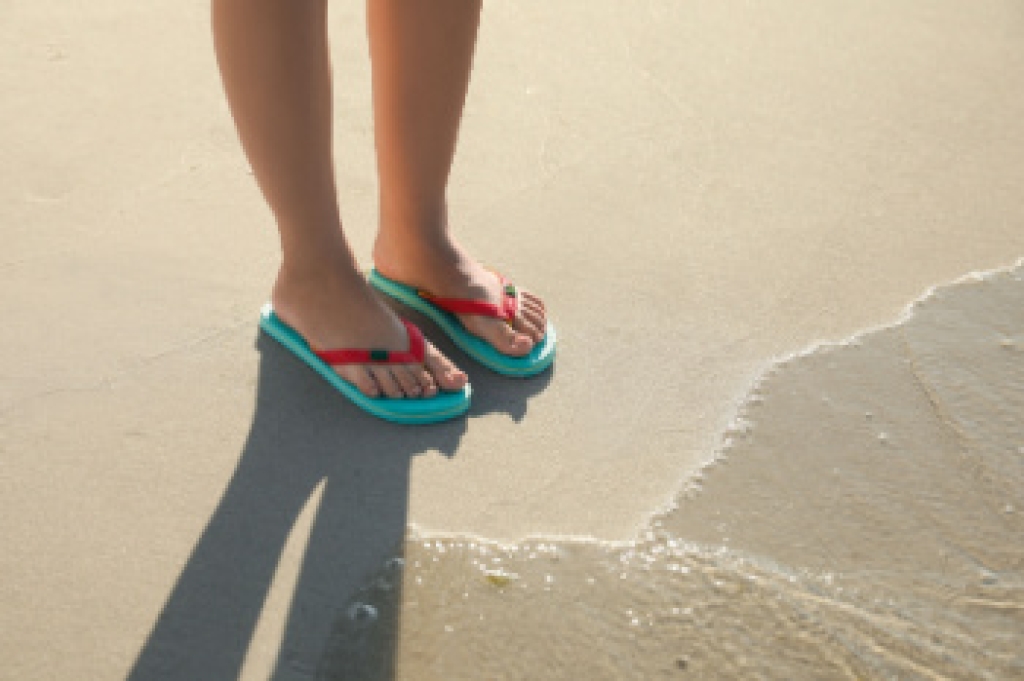
While convenient for casual wear, flip-flops can negatively affect gait and overall foot health. Their flat, thin soles provide little to no impact absorption, increasing stress on joints with each step. The lack of arch support often leads to excessive pronation, which may contribute to pain in the heels, ankles, or knees. Additionally, gripping the flip-flops with the toes can also cause strain and cause fatigue, especially during long periods of wear. A podiatrist can evaluate how your footwear choices affect your movement and recommend supportive alternatives or custom orthotics. If you experience foot discomfort after wearing flip-flops, it is suggested that you schedule a visit with a podiatrist who can treat various foot conditions.

Flip-flops can cause a lot of problems for your feet. If you have any concerns about your feet or ankles, contact Dr. Kennedy Legel from Advanced Foot & Ankle Care Specialists. Our doctor will assist you with all of your foot and ankle needs.

Flip-Flops and Feet

Flip-flops have managed to become a summer essential for a lot of people. While the shoes may be stylish and easy to slip on and off, they can be dangerous to those who wear them too often. These shoes might protect you from fungal infections such as athlete’s foot, but they can also give you foot pain and sprained ankles if you trip while wearing them.

When Are They Okay to Wear?

Flip-flops should only be worn for very short periods of time. They can help protect your feet in places that are crawling with fungi, such as gym locker rooms. Athlete’s foot and plantar warts are two common fungi that flip-flops may help protect your feet against.

Why Are They Bad for My Feet?

These shoes do not offer any arch support, so they are not ideal for everyday use. They also do not provide shock absorption or heel cushioning which can be problematic for your feet. Additionally, you may suffer from glass cuts, puncture wounds, and stubbed toes since they offer little protection for your feet.

More Reasons Why They Are Bad for Your Feet

  • They Slow You Down
  • May Cause Blisters and Calluses
  • Expose Your Feet to Bacteria

If you have any questions, please feel free to contact our office located in Dallas, TX . We offer the newest diagnostic and treatment technologies for all your foot care needs.

Read more about Flip Flops and Your Feet

What Parents Should Know About Heel Pain in Kids

Sever’s disease is a common cause of heel pain in active children, especially those aged 8 to 14. It occurs when the growth plate in the heel becomes inflamed due to repetitive stress from activities like running or jumping. Symptoms include heel pain that worsens with activity, limping, and tenderness at the back or bottom of the heel. The heel may appear swollen or sensitive to touch, and children might avoid putting full weight on the foot. Treatment focuses on reducing inflammation and relieving pressure on the heel. A podiatrist can recommend stretching exercises and supportive footwear or custom orthotics to cushion the heel. In some cases, targeted exercises may be needed to improve flexibility and strength. Early care helps children stay active and prevents long-term problems. If your child is dealing with this issue, it is suggested that you make an appointment with a podiatrist.

Sever's disease often occurs in children and teens. If your child is experiencing foot or ankle pain, see Dr. Kennedy Legel from Advanced Foot & Ankle Care Specialists. Our doctor can treat your child’s foot and ankle needs.

Sever’s Disease

Sever’s disease is also known as calcaneal apophysitis, which is a medical condition that causes heel pain I none or both feet. The disease is known to affect children between the ages of 8 and 14.

Sever’s disease occurs when part of the child’s heel known as the growth plate (calcaneal epiphysis) is attached to the Achilles tendon. This area can suffer injury when the muscles and tendons of the growing foot do not keep pace with bone growth. Therefore, the constant pain which one experiences at the back of the heel will make the child unable to put any weight on the heel. The child is then forced to walk on their toes.

Symptoms

Acute pain – Pain associated with Sever’s disease is usually felt in the heel when the child engages in physical activity such as walking, jumping and or running.

Highly active – Children who are very active are among the most susceptible in experiencing Sever’s disease, because of the stress and tension placed on their feet.

If you have any questions, please feel free to contact our office located in Dallas, TX . We offer the newest diagnostic and treatment technologies for all your foot care needs.

Read more about Sever's Disease
scroll to top