
What Causes Morton’s Neuroma?

Severe pain and discomfort that is felt on the ball of the foot may be indicative of a condition that is referred to as Morton’s neuroma. It is often the result of nerves that become inflamed between the third and fourth toes, and is often known as a intermetatarsal neuroma. A major symptom of this condition is pain that is experienced on the bottom of the foot, possibly causing difficulty in walking.  Many people may generally feel a tingling sensation in addition to feeling a burning sensitivity in the ball of the foot. A common reason for this condition to occur may be choosing to wear shoes that do not fit properly, and this may possibly cause the nerves in the foot to become irritated and inflamed. Additionally, performing certain activities may play a significant role in the formation of Morton’s neuroma. It’s advised to counsel with a podiatrist for proper treatments if you are afflicted with this ailment

Morton’s neuroma is a very uncomfortable condition to live with. If you think you have Morton’s neuroma, contact Dr. Kennedy Legel of Advanced Foot & Ankle Care Specialists. Our doctor will attend to all of your foot care needs and answer any of your related questions.  

Morton’s Neuroma

Morton's neuroma is a painful foot condition that commonly affects the areas between the second and third or third and fourth toe, although other areas of the foot are also susceptible. Morton’s neuroma is caused by an inflamed nerve in the foot that is being squeezed and aggravated by surrounding bones.

What Increases the Chances of Having Morton’s Neuroma?

  • Ill-fitting high heels or shoes that add pressure to the toe or foot
  • Jogging, running or any sport that involves constant impact to the foot
  • Flat feet, bunions, and any other foot deformities

Morton’s neuroma is a very treatable condition. Orthotics and shoe inserts can often be used to alleviate the pain on the forefront of the feet. In more severe cases, corticosteroids can also be prescribed. In order to figure out the best treatment for your neuroma, it’s recommended to seek the care of a podiatrist who can diagnose your condition and provide different treatment options.

If you have any questions, please feel free to contact our office located in Dallas, TX . We offer the newest diagnostic and treatment technologies for all your foot care needs.

Read more about Morton's Neuroma

Wounds That Don't Heal Need to Be Checked

Your feet are covered most of the day. If you're diabetic, periodic screening is important for good health. Numbness is often a sign of diabetic foot and can mask a sore or wound.

Causes of Peripheral Neuropathy

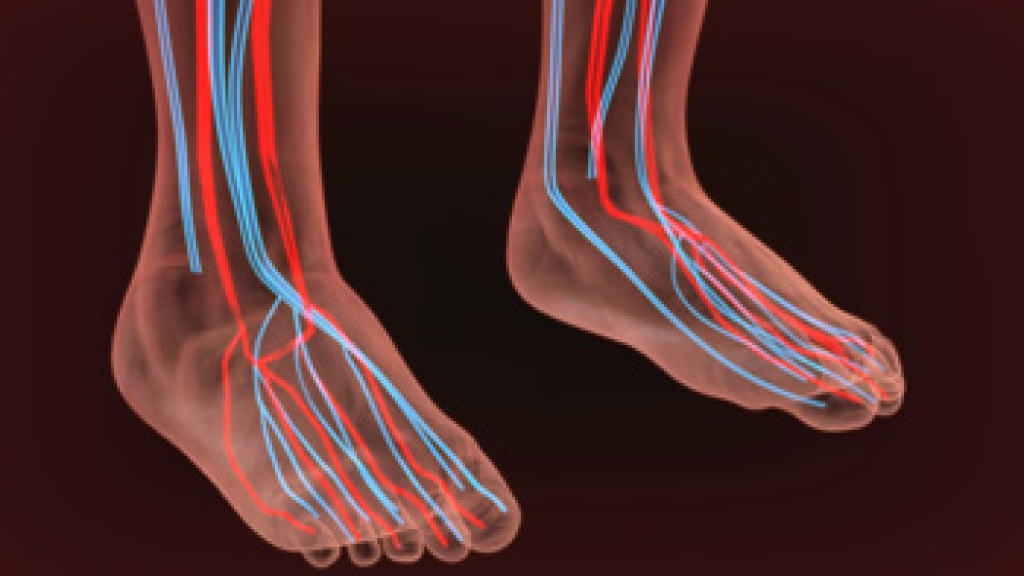
There is a type of nerve disorder that is known as peripheral neuropathy. The purpose of this type of nervous system is to provide a connection between the spinal cord, brain, and the central nervous system to the rest of the body. If these nerves should become damaged, peripheral neuropathy may begin to develop, and this may typically cause symptoms such as tingling in the feet or a loss of feeling. Additional symptoms may include experiencing a sharp pain, low blood pressure, or excessive sweating. There may be common reasons for this ailment to develop, including an inherited trait, an infection or an injury. If you are experiencing a sensation of “pins and needles” in your feet, please consider speaking with a podiatrist to learn what the best course of treatment may be for you.

Neuropathy

Neuropathy can be a potentially serious condition, especially if it is left undiagnosed. If you have any concerns that you may be experiencing nerve loss in your feet, consult with Dr. Kennedy Legel from Advanced Foot & Ankle Care Specialists. Our doctor will assess your condition and provide you with quality foot and ankle treatment for neuropathy.

What Is Neuropathy?

Neuropathy is a condition that leads to damage to the nerves in the body. Peripheral neuropathy, or neuropathy that affects your peripheral nervous system, usually occurs in the feet. Neuropathy can be triggered by a number of different causes. Such causes include diabetes, infections, cancers, disorders, and toxic substances.

Symptoms of Neuropathy Include:

  • Numbness
  • Sensation loss
  • Prickling and tingling sensations
  • Throbbing, freezing, burning pains
  • Muscle weakness

Those with diabetes are at serious risk due to being unable to feel an ulcer on their feet. Diabetics usually also suffer from poor blood circulation. This can lead to the wound not healing, infections occurring, and the limb may have to be amputated.

Treatment

To treat neuropathy in the foot, podiatrists will first diagnose the cause of the neuropathy. Figuring out the underlying cause of the neuropathy will allow the podiatrist to prescribe the best treatment, whether it be caused by diabetes, toxic substance exposure, infection, etc. If the nerve has not died, then it’s possible that sensation may be able to return to the foot.

Pain medication may be issued for pain. Electrical nerve stimulation can be used to stimulate nerves. If the neuropathy is caused from pressure on the nerves, then surgery may be necessary.

If you have any questions, please feel free to contact our office located in Dallas, TX . We offer the newest diagnostic and treatment technologies for all your foot care needs.
Read more about Neuropathy

Causes of Cracked Heels

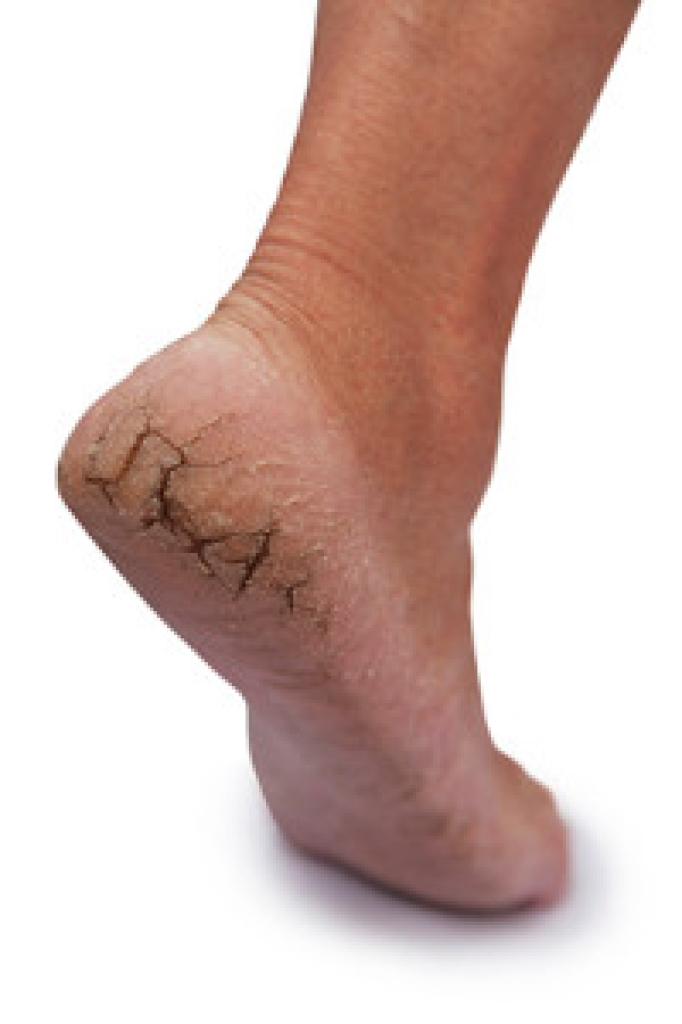
An uncomfortable and often painful foot condition known as cracked heels may occur for a variety of reasons. The most common cause is dry skin, which causes the cracks, also known as fissures, to develop. The skin may become dry for several reasons including standing for extended periods of time, specific skin conditions such as eczema, psoriasis, or athlete’s foot, and being overweight. An additional cause of cracked heels may come from wearing sandals that have an open back and these types of shoes may lack the support that is needed for healthy feet. If you have noticed that you have cracked skin on your heels, it’s suggested to wash the feet thoroughly followed by utilizing a good moisturizer, which may be more effective when used on damp skin. Please schedule a consultation with a podiatrist for a complete diagnosis in addition to discussing the best treatment options for you.

If the skin on your feet starts to crack, you may want to see a podiatrist to find treatment. If you have any concerns, contact Dr. Kennedy Legel from Advanced Foot & Ankle Care Specialists. Our doctor can provide the care you need to keep you pain-free and on your feet.

Cracked Heels

It is important to moisturize your cracked heels in order to prevent pain, bleeding, and infection. The reason cracked heels form is because the skin on the foot is too dry to support the immense pressure placed on them. When the foot expands, the dry skin on the foot begins to split.

Ways to Help Heal Them

  • Invest in a good foot cream
  • Try Using Petroleum Jelly
  • Ease up on Soaps
  • Drink Plenty of Water

Ways to Prevent Cracked Heels

  • Moisturize After Showering
  • Skip a Shower
  • Keep Shower Water Lukewarm
  • Don’t Scrub Your Feet

If you are unsure how to proceed in treating cracked heels, seek guidance from a podiatrist. Your doctor will help you with any questions or information you may need. 

If you have any questions, please feel free to contact our office located in Dallas, TX . We offer the newest diagnostic and treatment technologies for all your foot care needs.

Read more about Solutions for Cracked Heels

It's Time for Beautiful Feet

You don't need an excuse to have beautiful nails. Step outside without worrying about the appearance of your feet.

scroll to top