Having Issues With Gout Pain?

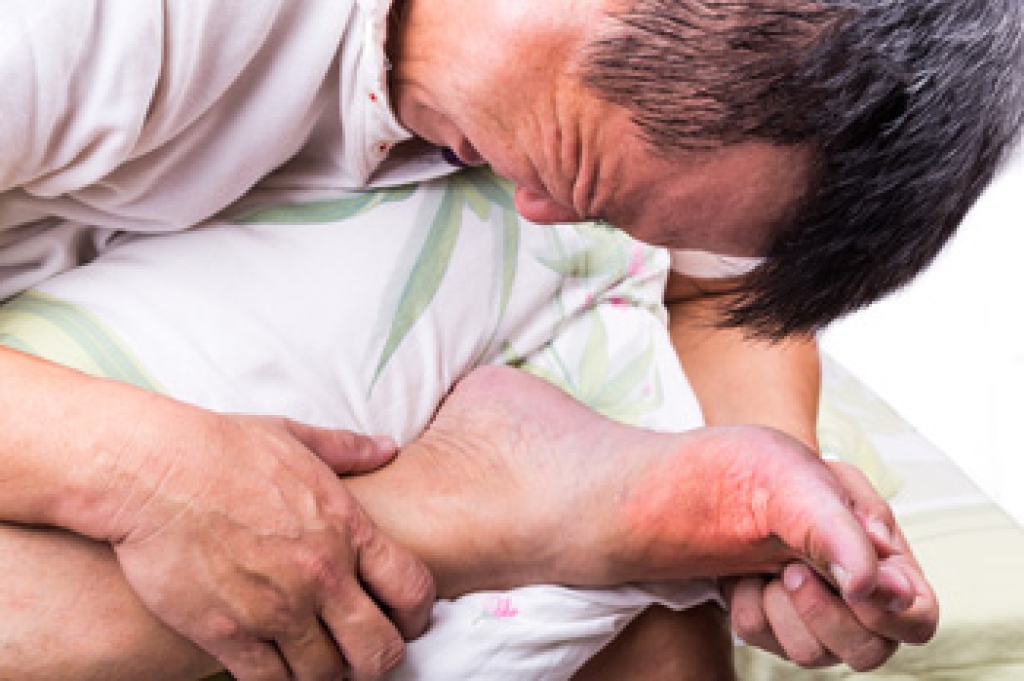
Arthritis can come in many different forms and types, including inflammatory. A common type of inflammatory arthritis is known as gout. Gout affects the joints, usually in the feet and ankles, and can cause redness, swelling, and pain towards the affected joint. When the uric acid levels in your bloodstream are too high, crystals can begin to form and attach to the joints, which is why those affected may experience sharp bursts of pain. In order to receive a proper diagnosis and treat gout, please seek the professional care of a podiatrist.

Gout is a foot condition that requires certain treatment and care. If you are seeking treatment, contact Dr. Kennedy Legel from Advanced Foot & Ankle Care Specialists. Our doctor will treat your foot and ankle needs.

What Is Gout?

Gout is a type of arthritis caused by a buildup of uric acid in the bloodstream. It often develops in the foot, especially the big toe area, although it can manifest in other parts of the body as well. Gout can make walking and standing very painful and is especially common in diabetics and the obese.

People typically get gout because of a poor diet. Genetic predisposition is also a factor. The children of parents who have had gout frequently have a chance of developing it themselves.

Gout can easily be identified by redness and inflammation of the big toe and the surrounding areas of the foot. Other symptoms include extreme fatigue, joint pain, and running high fevers. Sometimes corticosteroid drugs can be prescribed to treat gout, but the best way to combat this disease is to get more exercise and eat a better diet.

If you have any questions, please feel free to contact our office located in Dallas, TX . We offer the newest diagnostic and treatment technologies for all your foot care needs.

Read more about Gout

Plantar Warts Can Be Treated!

Plantar warts are small growths that develop on parts of the feet that bear weight. They're typically found on the bottom of the foot. Don't live with plantar warts, and call us today!

What Factors Can Increase the Risk of Falling?

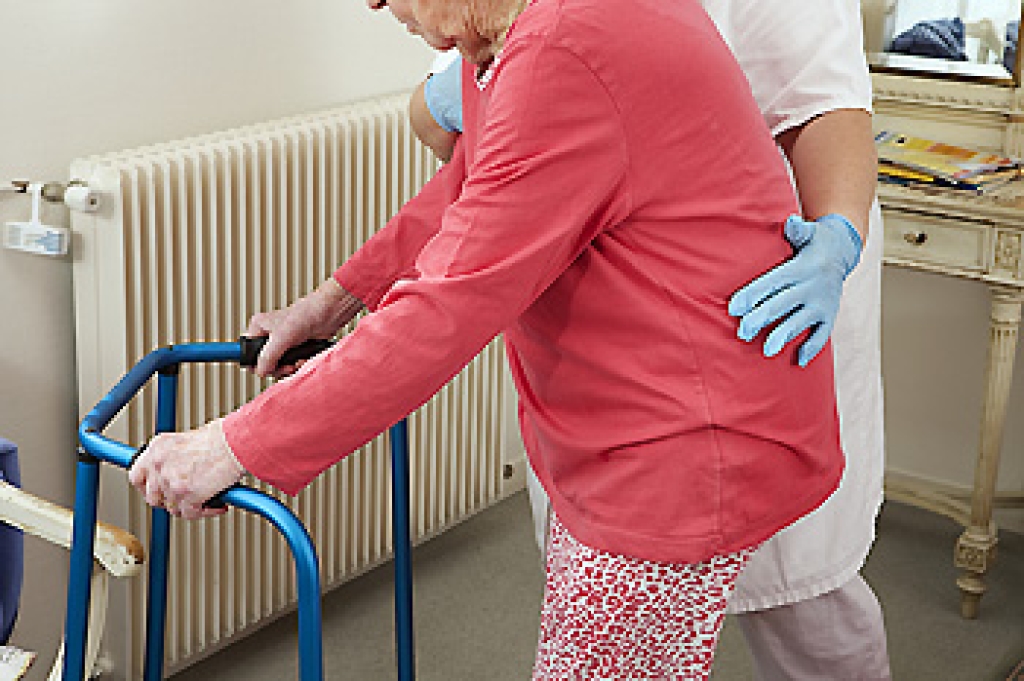
Falls are the number one cause of injury and hospital visits due to trauma for people ages 65 and older. Various factors can increase one’s risk of falling including past falls, tripping, and falling hazards in the home and community, chronic diseases, taking multiple medications, having poor vision, balance problems, memory problems, depression, and behaviors like rushing. Problems with the feet and ankles, such as difficulty walking, weakness, or loss of sensation in the lower limbs, and wearing improper footwear can all increase the risk of falling as well. If you have foot or ankle issues, it is important to seek medical care from a podiatrist, who can diagnose and treat your condition and reduce your risk of falling.

Preventing falls among the elderly is very important. If you are older and have fallen or fear that you are prone to falling, consult with Dr. Kennedy Legel from Advanced Foot & Ankle Care Specialists. Our doctor will assess your condition and provide you with quality advice and care.

Every 11 seconds, an elderly American is being treated in an emergency room for a fall related injury. Falls are the leading cause of head and hip injuries for those 65 and older. Due to decreases in strength, balance, senses, and lack of awareness, elderly persons are very susceptible to falling. Thankfully, there are a number of things older persons can do to prevent falls.

How to Prevent Falls

Some effective methods that older persons can do to prevent falls include:

  • Enrolling in strength and balance exercise program to increase balance and strength
  • Periodically having your sight and hearing checked
  • Discuss any medications you have with a doctor to see if it increases the risk of falling
  • Clearing the house of falling hazards and installing devices like grab bars and railings
  • Utilizing a walker or cane
  • Wearing shoes that provide good support and cushioning
  • Talking to family members about falling and increasing awareness

Falling can be a traumatic and embarrassing experience for elderly persons; this can make them less willing to leave the house, and less willing to talk to someone about their fears of falling. Doing such things, however, will increase the likelihood of tripping or losing one’s balance. Knowing the causes of falling and how to prevent them is the best way to mitigate the risk of serious injury.  

If you have any questions, please feel free to contact our office located in Dallas, TX . We offer the newest diagnostic and treatment technologies for all your foot care needs.

Read more about Falls Prevention

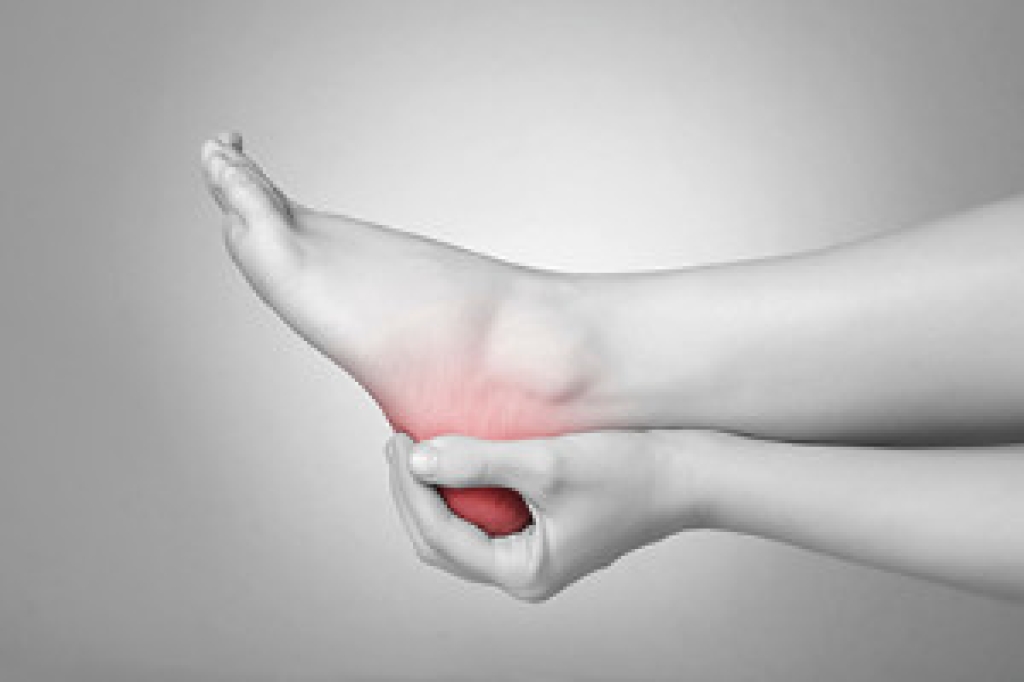
Can Heel Pain Indicate Sever’s Disease?

The medical condition that is known as Sever’s disease can affect young teenagers who frequently participate in running and jumping activities. A noticeable symptom of this condition is heel pain, and you may notice that your child is limping. Sever’s disease is caused by an inflammation on the growth plate in the heel, and can happen as a result of excessive pressure that the heels may endure from running or exercising. The heel may be swollen, and it may be difficult to walk. Moderate relief may come from wearing shoes that fit properly, and it may be beneficial to limit activity that is done on hard surfaces. If you feel your child may have Sever’s disease, it is recommended that you speak to a podiatrist who can properly diagnose and treat this condition.

Sever's disease often occurs in children and teens. If your child is experiencing foot or ankle pain, see Dr. Kennedy Legel from Advanced Foot & Ankle Care Specialists. Our doctor can treat your child’s foot and ankle needs.

Sever’s Disease

Sever’s disease is also known as calcaneal apophysitis, which is a medical condition that causes heel pain I none or both feet. The disease is known to affect children between the ages of 8 and 14.

Sever’s disease occurs when part of the child’s heel known as the growth plate (calcaneal epiphysis) is attached to the Achilles tendon. This area can suffer injury when the muscles and tendons of the growing foot do not keep pace with bone growth. Therefore, the constant pain which one experiences at the back of the heel will make the child unable to put any weight on the heel. The child is then forced to walk on their toes.

Symptoms

Acute pain – Pain associated with Sever’s disease is usually felt in the heel when the child engages in physical activity such as walking, jumping and or running.

Highly active – Children who are very active are among the most susceptible in experiencing Sever’s disease, because of the stress and tension placed on their feet.

If you have any questions, please feel free to contact our office located in Dallas, TX . We offer the newest diagnostic and treatment technologies for all your foot care needs.

Read more about Sever's Disease

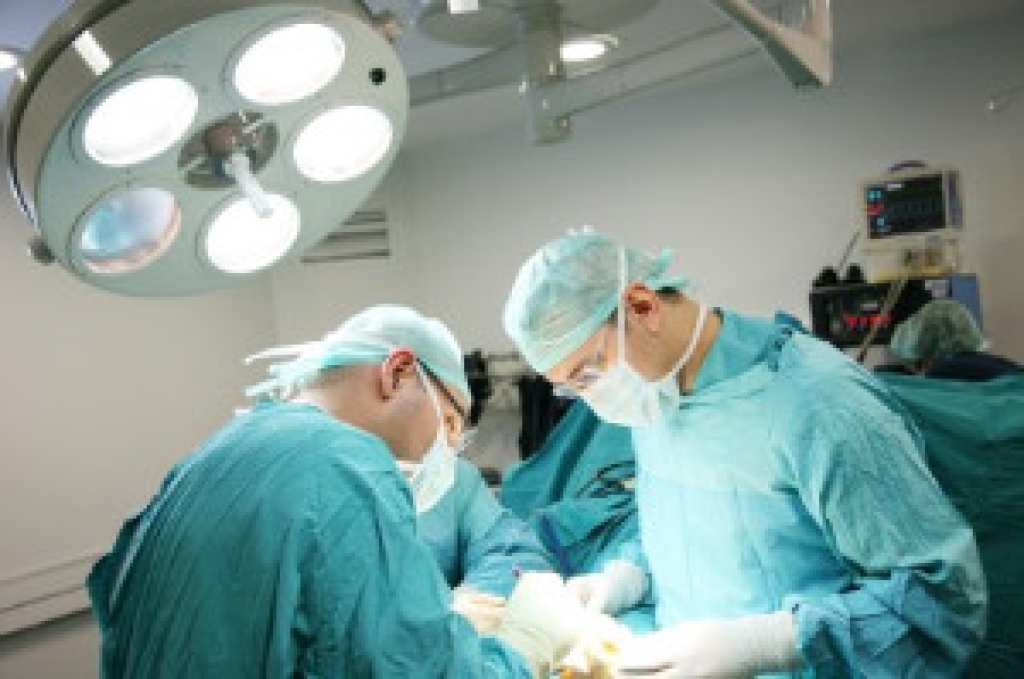
What Is Ankle Replacement Surgery?

Ankle replacement is a surgery that involves replacing a deteriorated ankle joint with a prosthetic implant. Ankle replacement is typically done for patients who have end-stage ankle arthritis, as this condition often results in chronic pain, swelling, and inflammation. Ankle replacement surgery is indicated for older, less active people, as the prosthetic joint tends to wear out over time and with heavy usage, reducing the patient’s mobility and quality of life. During the surgery, the arthritic surfaces of the bottom of the tibia (shin) bone and the top of the talus bone in the foot are removed and replaced with a metal and plastic prosthesis. Recovery can take several months, and the patient may need physical therapy. To learn more about ankle replacement surgery, consult with a podiatrist.

In certain cases, in which the patient suffers from extreme pain or damage in a joint, joint replacement surgery may be deemed useful. If you have constant pain in a foot joint, consult with Dr. Kennedy Legel from Advanced Foot & Ankle Care Specialists. Our doctor will assess your condition and provide you with quality foot and ankle treatment.

What Is Joint Replacement Surgery?

Over time, joints wear down; this can be exacerbated by diseases and conditions. Joint replacement surgery, also known as arthroplasty, is when a damaged joint is surgically removed and replaced with a prosthesis. Prostheses, which can be made of ceramic, plastic, or metal, act as joints in lieu of an actual joint. One of the most prevalent causes for joint replacement is arthritis.

Arthritis in the Foot

Arthritis can occur in any joint in the body, including in the feet. Common types of arthritis in the foot are osteoarthritis, rheumatoid arthritis, and gout. The big toe is usually where arthritis occurs in the foot; this is known as hallux rigidus.

Joint Replacement Surgery in the Foot

The most common form of joint replacement in the foot is a first metatarsophalangeal (MTP) joint placement. MTP joint replacement surgery is designed to treat hallux rigidus. Surgery is not intensive, and recovery occurs within one to two months after the procedure has been done. Overall, joint replacement surgery is a safe and effective way to treat pain in the joint of the foot.

If you have any questions, please feel free to contact our office located in Dallas, TX . We offer the newest diagnostic and treatment technologies for all your foot care needs.

Read more about Joint Replacement Surgery
scroll to top