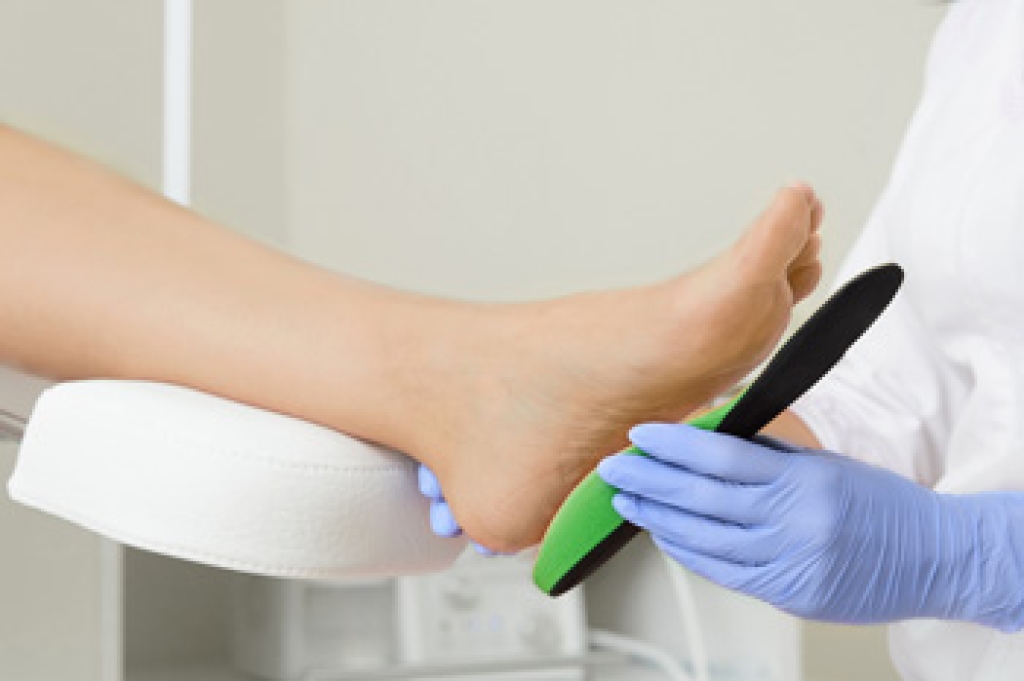
When Walking Normally Is No Easy Feat

Walking may not seem to be a complex activity, however, several body functions, structures, and systems need to work together seamlessly to allow a person to walk normally. A person’s gait (way of walking) can be affected by genetic factors, injuries, physical abnormalities or conditions affecting the feet and legs, illnesses, inner ear problems, and age. These abnormal gait patterns may be temporary or permanent, usually falling into one of five categories. When someone drags their feet, or looks stiff while walking, this can indicate a spastic gait. When legs bend inwardly or hit each other during walking, this is known as a scissors gait. If a person’s toes scrape against or point towards the ground, they may have a steppage gait. Moving from side-to-side with short steps is indicative of a waddling gait. A propulsive gait is walking with a stooping, stiff posture, with the head and neck pushed forward. Using state-of-the-art technology, a podiatrist can perform a biomechanical assessment and gait analysis. Custom orthotics and other methods can be used to help improve feet function and ease any associated pain—including treating any underlying foot condition.

If you are having discomfort in your feet and would like to try orthotics, contact Dr. Kennedy Legel from Advanced Foot & Ankle Care Specialists. Our doctor can provide the care you need to keep you pain-free and on your feet.

What Are Orthotics?

Orthotics are inserts you can place into your shoes to help with a variety of foot problems such as flat feet or foot pain. Orthotics provide relief and comfort for minor foot and heel pain but can’t correct serious biomechanical problems in your feet.

Over-the-Counter Inserts

Orthotics come in a wide variety of over-the-counter inserts that are used to treat foot pain, heel pain, and minor problems. For example, arch supports can be inserted into your shoes to help correct overarched or flat feet, while gel insoles are often used because they provide comfort and relief from foot and heel pain by alleviating pressure.

Prescription Orthotics

If over-the-counter inserts don’t work for you or if you have a more severe foot concern, it is possible to have your podiatrist prescribe custom orthotics. These high-quality inserts are designed to treat problems such as abnormal motion, plantar fasciitis, and severe forms of heel pain. They can even be used to help patients suffering from diabetes by treating foot ulcers and painful calluses and are usually molded to your feet individually, which allows them to provide full support and comfort.

If you are experiencing minor to severe foot or heel pain, it’s recommended to speak with your podiatrist about the possibilities of using orthotics. A podiatrist can determine which type of orthotic is right for you and allow you to take the first steps towards being pain-free.

If you have any questions, please feel free to contact our office located in Dallas, TX . We offer the newest diagnostic and treatment technologies for all your foot care needs.

Read more about Foot Orthotics

Taking a Closer Look at Corns

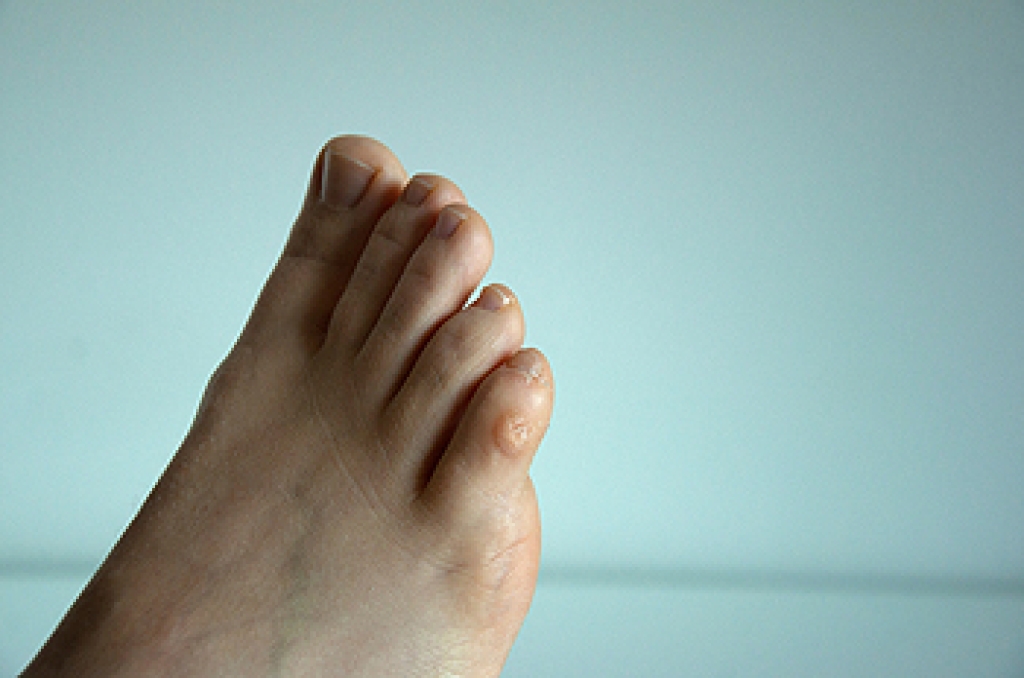
Corns are hardened, thickened areas of skin on your feet that develop due to friction or pressure from footwear. They are typically small and round-shaped, getting their name from their similarity to a kernel of corn. Corns come in two varieties: hard and soft. Hard corns usually form on the tops of the toes and are dry and dense, while soft corns are found between the toes and have a more rubbery texture. Corns of any kind may cause pain or discomfort if there is pressure placed on them. Corns are particularly problematic, possibly leading to complications in people with diabetes or other conditions that affect blood flow to the feet. If you have developed a corn that is painful or chronic, or if you are a diabetic, please seek the professional care of a podiatrist.

Corns can make walking very painful and should be treated immediately. If you have questions regarding your feet and ankles, contact Dr. Kennedy Legel of Advanced Foot & Ankle Care Specialists. Our doctor will treat your foot and ankle needs.

Corns: What Are They? And How Do You Get Rid of Them?
Corns are thickened areas on the skin that can become painful. They are caused by excessive pressure and friction on the skin. Corns press into the deeper layers of the skin and are usually round in shape.

Ways to Prevent Corns
There are many ways to get rid of painful corns such as:

  • Wearing properly fitting shoes that have been measured by a professional
  • Wearing shoes that are not sharply pointed or have high heels
  • Wearing only shoes that offer support

Treating Corns

Although most corns slowly disappear when the friction or pressure stops, this isn’t always the case. Consult with your podiatrist to determine the best treatment option for your case of corns.

If you have any questions, please feel free to contact our office located in Dallas, TX . We offer the newest diagnostic and treatment technologies for all your foot care needs.
Read more about Corns: What Are They, and How Do You Get Rid of Them

Plantar Warts Can Be Treated!

Plantar warts are small growths that develop on parts of the feet that bear weight. They're typically found on the bottom of the foot. Don't live with plantar warts, and call us today!

How to Tell if You Have a Hammertoe

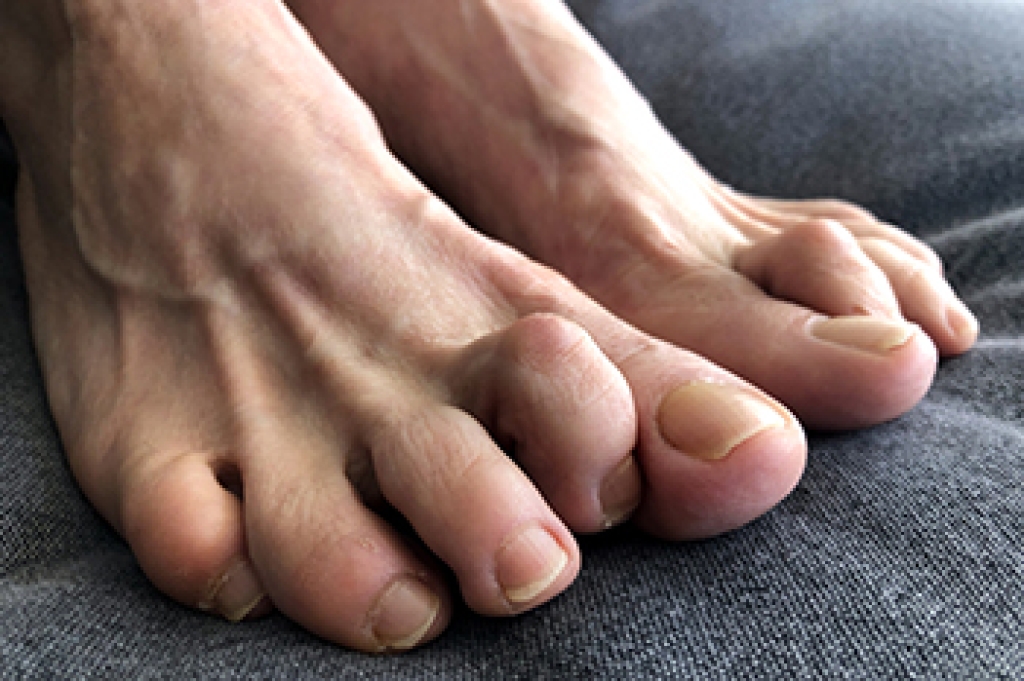
If one of your toes is permanently bent at the middle joint, preventing it from laying flat like the other toes, it could be a hammertoe. Hammertoes can occur in any toe other than the big toe. This condition gets its name because your toe is bent into a shape resembling the head of a hammer. Hammertoe develops over time, and is typically caused by an imbalance in the foot’s tendons and muscles. If you have a genetic predisposition towards this condition, you may exacerbate its development by wearing pointy shoes or high heels, which place pressure on your toes and force them into a narrow space. Injuries and foot conditions such as bunions can also contribute to the formation of a hammertoe, as well as arthritis. Hammertoes are a progressive condition, meaning they worsen with time and, therefore, may become rigid. That is why it is important to get them diagnosed and treated by a podiatrist as early as possible—while they are still flexible and there is a greater chance to correct the deformity.

Hammertoes can be a painful condition to live with. For more information, contact Dr. Kennedy Legel of Advanced Foot & Ankle Care Specialists. Our doctor will answer any of your foot- and ankle-related questions.

Hammertoe

Hammertoe is a foot deformity that occurs due to an imbalance in the muscles, tendons, or ligaments that normally hold the toe straight. It can be caused by the type of shoes you wear, your foot structure, trauma, and certain disease processes.

Symptoms

  • Painful and/or difficult toe movement
  • Swelling
  • Joint stiffness
  • Calluses/Corns
  • Physical deformity

Risk Factors

  • Age – The risk of hammertoe increases with age
  • Sex – Women are more likely to have hammertoe compared to men
  • Toe Length – You are more likely to develop hammertoe if your second toe is longer than your big toe
  • Certain Diseases – Arthritis and diabetes may make you more likely to develop hammertoe

Treatment

If you have hammertoe, you should change into a more comfortable shoe that provides enough room for your toes. Exercises such as picking up marbles may strengthen and stretch your toe muscles. Nevertheless, it is important to seek assistance from a podiatrist in order to determine the severity of your hammertoe and see which treatment option will work best for you.

If you have any questions, please feel free to contact our office located in Dallas, TX . We offer the newest diagnostic and treatment technologies for all your foot care needs.
Read more about Hammertoe

An Overview of Plantar Warts

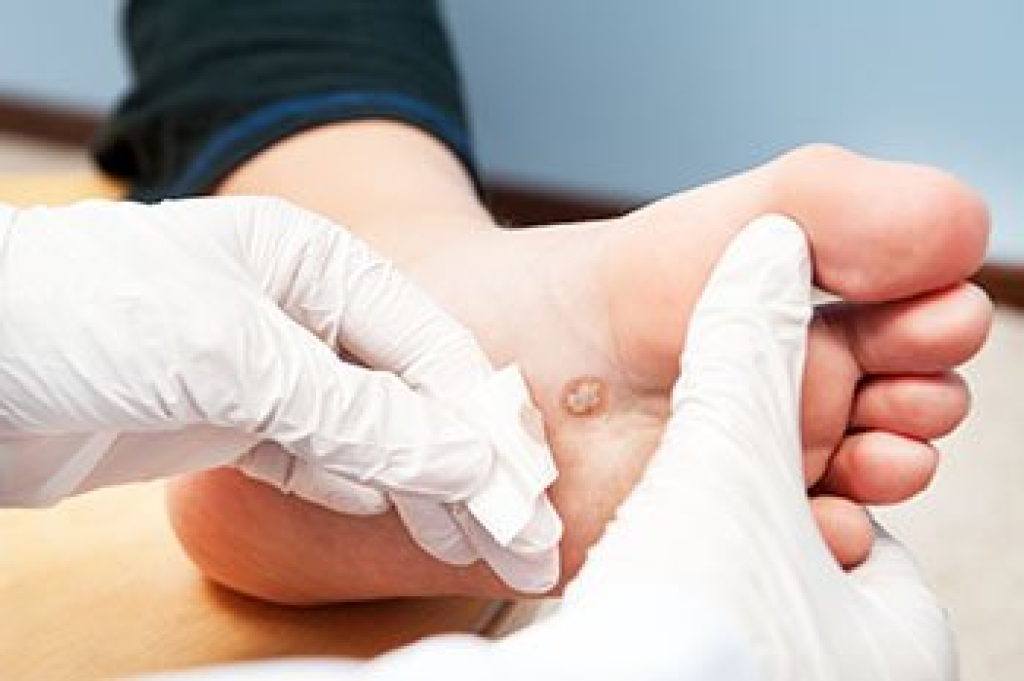
Plantar warts are fleshy skin growths that form on the soles of the feet due to a human papillomavirus (HPV) infection of the skin. These warts are usually bumps with a dry, rough surface and may resemble a callus. They can be painful if they grow in an area that is under pressure, like the ball or heel of the foot. Plantar warts are usually not a serious cause for concern, and most go away on their own eventually. However, if you have a plantar wart that is painful, uncomfortable, or has spread to other areas of your foot, don’t hesitate to make an appointment with a podiatrist. While plantar warts are highly contagious, they can be prevented. To prevent an infection, you should avoid sharing personal items like shoes, socks, and towels with others and should wear shoes when walking in public areas. 

Plantar warts can be very uncomfortable. If you need your feet checked, contact Dr. Kennedy Legel from Advanced Foot & Ankle Care Specialists. Our doctor will assist you with all of your foot and ankle needs.

About Plantar Warts

Plantar warts are the result of HPV, or human papillomavirus, getting into open wounds on the feet. They are mostly found on the heels or balls of the feet.

While plantar warts are generally harmless, those experiencing excessive pain or those suffering from diabetes or a compromised immune system require immediate medical care. Plantar warts are easily diagnosed, usually through scraping off a bit of rough skin or by getting a biopsy.

Symptoms

  • Lesions on the bottom of your feet, usually rough and grainy
  • Hard or thick callused spots
  • Wart seeds, which are small clotted blood vessels that look like little black spots
  • Pain, discomfort, or tenderness of your feet when walking or standing

Treatment

  • Freezing
  • Electric tool removal
  • Laser Treatment
  • Topical Creams (prescription only)
  • Over-the-counter medications

To help prevent developing plantar warts, avoid walking barefoot over abrasive surfaces that can cause cuts or wounds for HPV to get into. Avoiding direct contact with other warts, as well as not picking or rubbing existing warts, can help prevent the further spread of plantar warts. However, if you think you have developed plantar warts, speak to your podiatrist. He or she can diagnose the warts on your feet and recommend the appropriate treatment options.

If you have any questions, please feel free to contact our office located in Dallas, TX . We offer the newest diagnostic and treatment technologies for all your foot care needs.

Read more about Plantar Warts
scroll to top