Avoiding Toenail Fungus

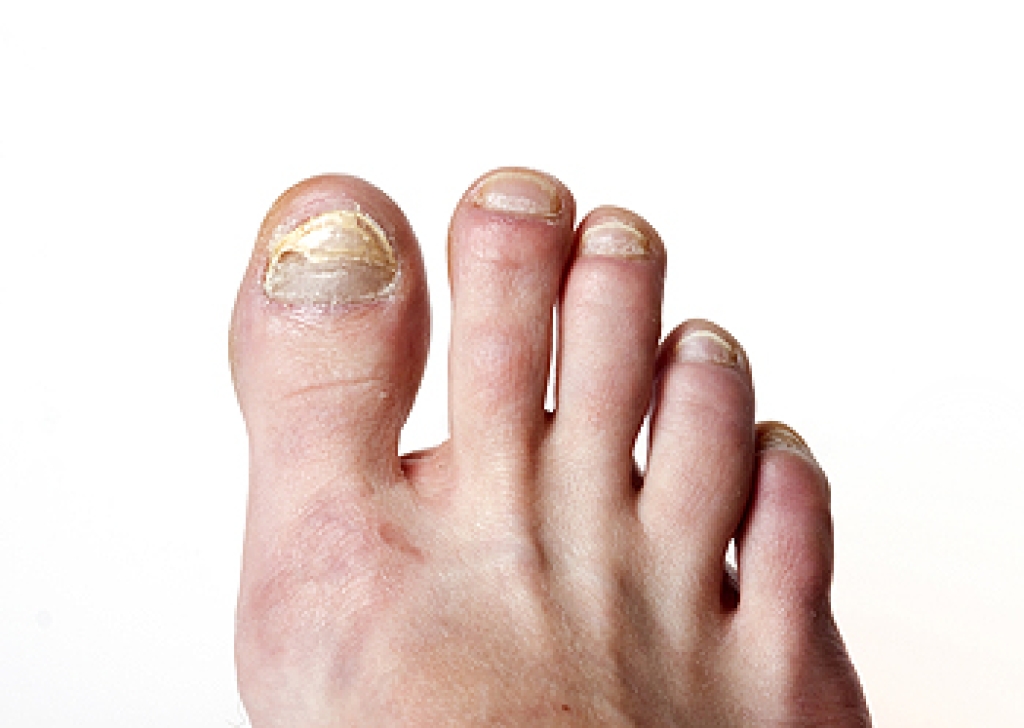
An infection from toenail fungus is also known as onychomycosis. It can affect your feet when fungal spores latch onto your toenails and feed off of nail tissues. If you have toenail fungus, you might notice that the affected nail has become brittle in texture or discolored. There are several steps that you might consider taking to avoid the development of toenail fungus. For example, since these organisms thrive in warm, damp environments, you can be diligent about wearing shoes in public areas, like locker rooms and the sides of community pools. Also, you might consider applying antifungal foot powder to your feet on a regular basis. To ward off fungal infections of the feet, you might also purchase socks that are designed to wick away moisture and perspiration. If you are concerned about developing, or have an ongoing toenail fungus, it is a good idea to make an appointment with a podiatrist today.

For more information about treatment, contact Dr. Kennedy Legel of Advanced Foot & Ankle Care Specialists. Our doctor can provide the care you need to keep you pain-free and on your feet.

Toenail Fungus Treatment

Toenail fungus is a condition that affects many people and can be especially hard to get rid of. Fortunately, there are several methods to go about treating and avoiding it.

Antifungals & Deterrence

Oral antifungal medicine has been shown to be effective in many cases. It is important to consult with a podiatrist to determine the proper regiment for you, or potentially explore other options.

Applying foot powder on the feet and shoes helps keep the feet free of moisture and sweat.

Sandals or open toed shoes – Wearing these will allow air movement and help keep feet dry. They also expose your feet to light, which fungus cannot tolerate. Socks with moisture wicking material also help as well.

If you have any questions please contact our office located in Dallas, TX . We offer the newest diagnostic and treatment technologies for all your foot and ankle needs.

Read more about Treating Toenail Fungus

How to Deal With Corns

A corn is a thickened area of the skin, usually on the foot, that is the result of friction from the inside of a shoe. It can have a soft or hard inner core. Hard corns generally form on top of a toe, while soft corns develop between the toes. Corns on the feet are formed from repeated pressure, which causes the skin to die and harden. A hard corn is tough and thick, often with a hard center that can cause pain if pressure, or friction, is prolonged. Moisture between the toes allows corns to soften. A soft corn looks more like an open sore, as the compressed toes rub against each other within the shoe. Changing footwear to give the toes and feet more room is the first way to avoid getting a corn. Several protective pads are available in retail stores. However, if a corn is causing extreme pain, it is a good idea to visit a podiatrist to have it examined and safely removed.

If you have any concerns regarding your feet and ankles, contact Dr. Kennedy Legel of Advanced Foot & Ankle Care Specialists. Our doctor will treat your foot and ankle needs.

Corns: What Are They? and How Do You Get Rid of Them?
Corns can be described as areas of the skin that have thickened to the point of becoming painful or irritating. They are often layers and layers of the skin that have become dry and rough, and are normally smaller than calluses.

Ways to Prevent Corns
There are many ways to get rid of painful corns such as wearing:

  • Well-fitting socks
  • Comfortable shoes that are not tight around your foot
  • Shoes that offer support

Treating Corns
Treatment of corns involves removing the dead skin that has built up in the specific area of the foot. Consult with Our doctor to determine the best treatment option for your case of corns.

If you have any questions, please feel free to contact our office located in Dallas, TX . We offer the newest diagnostic and treatment technologies for all your foot care needs.

Read more about Understanding Corns and Calluses

Plantar Warts Can Be Treated!

Plantar warts are small growths that develop on parts of the feet that bear weight. They're typically found on the bottom of the foot. Don't live with plantar warts, and call us today!

What Do Heel Spurs Feel Like?

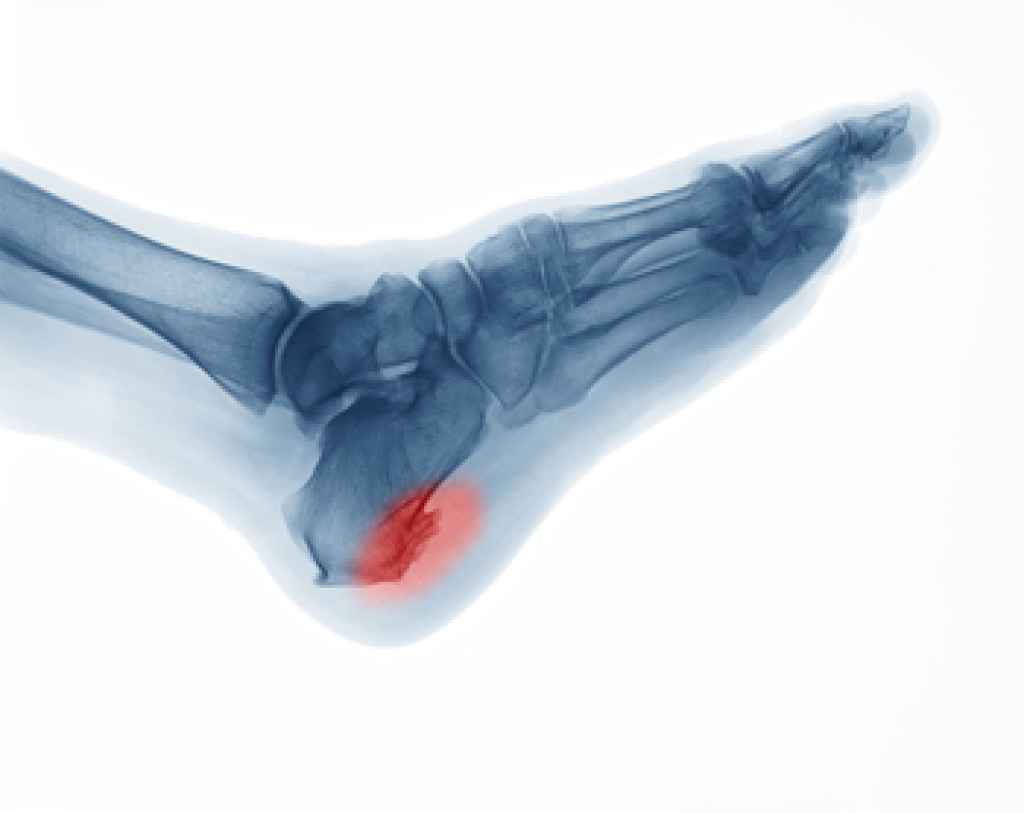
When an individual develops a heel spur, a bony outgrowth on the heel points towards the arch of the foot. This outgrowth is made of a calcium deposit, and it may be pointy, hooked, or flat in shape. X-ray scans can reveal the heel spur to be up to a half of an inch in size. If you are someone who engages in significant amounts of physical activity or frequently walks on hard surfaces, you may be at an increased risk of developing heel spurs. Living with a heel spur can feel different from case to case. For example, while it can be painful for some people, others report experiencing no symptoms. However, if your case of heel spurs is painful, you could notice a kind of sharp pain in the heel. Typically, this pain can be most pronounced in the morning when you take your first steps of the day. You may also feel a diminished kind of ache in the heel throughout the rest of the day. It is also possible that the front of the heel can be swollen and inflamed. Sometimes the heel spur might even cause sensations of tenderness in the affected area. If you believe that you may have a heel spur, contact a podiatrist who can help you with your condition. 

Heel spurs can be incredibly painful and sometimes may make you unable to participate in physical activities. To get medical care for your heel spurs, contact Dr. Kennedy Legel from Advanced Foot & Ankle Care Specialists. Our doctor will do everything possible to treat your condition.

Heels Spurs

Heel spurs are formed by calcium deposits on the back of the foot where the heel is. This can also be caused by small fragments of bone breaking off one section of the foot, attaching onto the back of the foot. Heel spurs can also be bone growth on the back of the foot and may grow in the direction of the arch of the foot.

Older individuals usually suffer from heel spurs and pain sometimes intensifies with age. One of the main condition's spurs are related to is plantar fasciitis.

Pain

The pain associated with spurs is often because of weight placed on the feet. When someone is walking, their entire weight is concentrated on the feet. Bone spurs then have the tendency to affect other bones and tissues around the foot. As the pain continues, the feet will become tender and sensitive over time.

Treatments

There are many ways to treat heel spurs. If one is suffering from heel spurs in conjunction with pain, there are several methods for healing. Medication, surgery, and herbal care are some options.

If you have any questions, please feel free to contact our office located in Dallas, TX . We offer the newest diagnostic and treatment technologies for all your foot care needs.

Read more about How to Treat Heel Spurs

Gout Is a Common Form of Arthritis

Gout is an inflammatory form of arthritis, and is considered to be the most common form of this painful condition. Gout generally affects the joints in the big toe, and is caused by excess uric acid in the blood, causing crystals to form. This can occur from genetic reasons, or from eating foods that have high purine levels. These types of foods can include red meat, shellfish, alcohol, and drinks that are made with large amounts of sugar. The pain that patients experience with gout can be debilitating, and it is often difficult to walk. A proper diagnosis can consist of having an X-ray taken, and fluid may be extracted out of the affected joints that houses the crystals. Patients who have existing medical issues may be at a higher risk for getting gout. These can include obesity, kidney disorders, high blood pressure, and diabetes. Living a healthy lifestyle may help to prevent future gout attacks, and may be easier to control if they do happen. If you have questions about gout, or have frequent attacks, it is strongly advised that you are under the care of a podiatrist who can answer any concerns you may have, and guide you toward proper treatment options.

Gout is a painful condition that can be treated. If you are seeking treatment, contact Dr. Kennedy Legel from Advanced Foot & Ankle Care Specialists. Our doctor will treat your foot and ankle needs.

What Is Gout?

Gout is a form of arthritis that is characterized by sudden, severe attacks of pain, redness, and tenderness in the joints. The condition usually affects the joint at the base of the big toe. A gout attack can occur at any random time, such as the middle of the night while you are asleep.

Symptoms

  • Intense Joint Pain - Usually around the large joint of your big toe, and it most severe within the first four to twelve hours
  • Lingering Discomfort - Joint discomfort may last from a few days to a few weeks
  • Inflammation and Redness -Affected joints may become swollen, tender, warm and red
  • Limited Range of Motion - May experience a decrease in joint mobility

Risk Factors

  • Genetics - If family members have gout, you’re more likely to have it
  • Medications - Diuretic medications can raise uric acid levels
  • Gender/Age - Gout is more common in men until the age of 60. It is believed that estrogen protects women until that point
  • Diet - Eating red meat and shellfish increases your risk
  • Alcohol - Having more than two alcoholic drinks per day increases your risk
  • Obesity - Obese people are at a higher risk for gout

Prior to visiting your podiatrist to receive treatment for gout, there are a few things you should do beforehand. If you have gout you should write down your symptoms--including when they started and how often you experience them, important medical information you may have, and any questions you may have. Writing down these three things will help your podiatrist in assessing your specific situation so that he or she may provide the best route of treatment for you.

If you have any questions, please feel free to contact our office located in Dallas, TX . We offer the newest diagnostic and treatment technologies for all your foot care needs.

Read more about Everything You Need to Know About Gout
scroll to top