
MLS Treatment for Diabetic Peripheral Neuropathy

Diabetic peripheral neuropathy is a common complication of type 1 and 2 diabetes. It occurs when high blood sugar levels damage the nerves extending from the brain and spinal cord to various body parts, including the feet. This condition primarily affects the peripheral nerves, which control sensations and movements in the arms, legs, hands, and feet. Characteristics of diabetic peripheral neuropathy are numbing and tingling sensations, loss of feeling in affected areas, and burning or shooting pain. Additional symptoms include muscle weakness, coordination problems, or foot and leg complications. Treatment options may consist of medications to manage pain, exercise to improve strength and coordination, and lifestyle modifications to prevent complications. Studies suggest that low-level laser therapy for peripheral neuropathy may improve pain and other symptoms, such as sensory function. Laser therapy has also been shown to increase foot temperature, suggesting improved microcirculation. If you suffer from diabetic neuropathy, make an appointment with a podiatrist to discuss which treatment is best for you.

Neuropathy

Neuropathy can be a potentially serious condition, especially if it is left undiagnosed. If you have any concerns that you may be experiencing nerve loss in your feet, consult with Dr. Kennedy Legel from Advanced Foot & Ankle Care Specialists. Our doctor will assess your condition and provide you with quality foot and ankle treatment for neuropathy.

What Is Neuropathy?

Neuropathy is a condition that leads to damage to the nerves in the body. Peripheral neuropathy, or neuropathy that affects your peripheral nervous system, usually occurs in the feet. Neuropathy can be triggered by a number of different causes. Such causes include diabetes, infections, cancers, disorders, and toxic substances.

Symptoms of Neuropathy Include:

  • Numbness
  • Sensation loss
  • Prickling and tingling sensations
  • Throbbing, freezing, burning pains
  • Muscle weakness

Those with diabetes are at serious risk due to being unable to feel an ulcer on their feet. Diabetics usually also suffer from poor blood circulation. This can lead to the wound not healing, infections occurring, and the limb may have to be amputated.

Treatment

To treat neuropathy in the foot, podiatrists will first diagnose the cause of the neuropathy. Figuring out the underlying cause of the neuropathy will allow the podiatrist to prescribe the best treatment, whether it be caused by diabetes, toxic substance exposure, infection, etc. If the nerve has not died, then it’s possible that sensation may be able to return to the foot.

Pain medication may be issued for pain. Electrical nerve stimulation can be used to stimulate nerves. If the neuropathy is caused from pressure on the nerves, then surgery may be necessary.

If you have any questions, please feel free to contact our office located in Dallas, TX . We offer the newest diagnostic and treatment technologies for all your foot care needs.
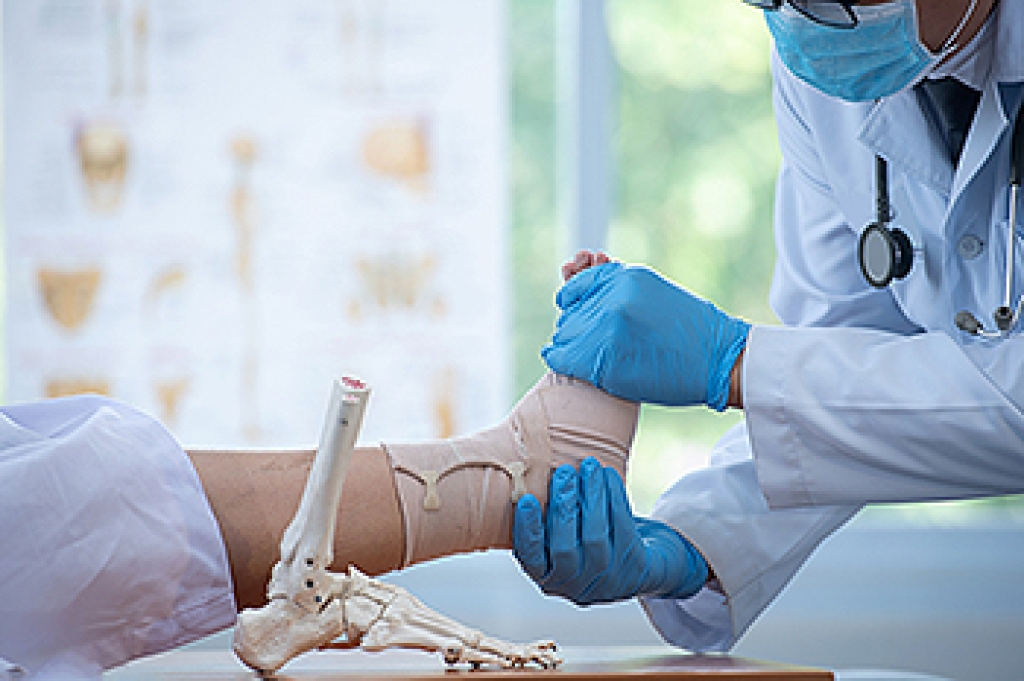

Read more about Neuropathy

Understanding Treatments and Recovery for a Broken Foot

A broken foot, though distressing, is a condition that can be managed effectively with the right approach to treatment and healing. A broken foot refers to a fracture in any of the 26 bones that make up this intricate structure. This can range from a hairline crack to a more severe break which can affect multiple bones. Treatment depends on the severity and location of the fracture. Minor breaks may only require rest, elevation, and immobilization through a cast or splint. More complex fractures may demand surgical intervention to realign the bones. Appropriate healing time will vary based on the nature of the break and the individual's overall health. Patience is important, as bones gradually mend over several weeks to months. Adhering to medical advice and taking adequate precautions ensures a smoother recovery journey for those healing from a broken foot. If you have broken your foot, it is suggested that you contact a podiatrist who can effectively diagnose and offer the treatment method that is right for you.

A broken foot requires immediate medical attention and treatment. If you need your feet checked, contact Dr. Kennedy Legel from Advanced Foot & Ankle Care Specialists. Our doctor can provide the care you need to keep you pain-free and on your feet.

Broken Foot Causes, Symptoms, and Treatment

A broken foot is caused by one of the bones in the foot typically breaking when bended, crushed, or stretched beyond its natural capabilities. Usually the location of the fracture indicates how the break occurred, whether it was through an object, fall, or any other type of injury. 

Common Symptoms of Broken Feet:

  • Bruising
  • Pain
  • Redness
  • Swelling
  • Blue in color
  • Numbness
  • Cold
  • Misshapen
  • Cuts
  • Deformities

Those that suspect they have a broken foot shoot seek urgent medical attention where a medical professional could diagnose the severity.

Treatment for broken bones varies depending on the cause, severity and location. Some will require the use of splints, casts or crutches while others could even involve surgery to repair the broken bones. Personal care includes the use of ice and keeping the foot stabilized and elevated.

If you have any questions, please feel free to contact our office located in Dallas, TX . We offer the newest diagnostic and treatment technologies for all your foot care needs.

Read more about Causes, Symptoms, and Treatment for a Broken Foot

What Causes a Plantar Fibroma?

Plantar fibromas are a relatively uncommon, but often painful, condition that affects the feet. These benign growths, typically found in the arch of the foot, develop within the plantar fascia, the band of tissue that connects the heel bone to the toes. The exact cause of plantar fibromas is not well understood, but they are believed to be related to genetics and may develop due to overuse or trauma to the foot. The primary symptom of plantar fibromas is a noticeable lump or nodule in the arch of the foot. This lump is often painful and can make walking and standing uncomfortable. In some cases, it may restrict foot movement. Treatment options vary depending on the severity of symptoms. Conservative approaches include wearing orthotics or making shoe modifications that may help to alleviate pressure on the lump. In more severe cases, corticosteroid injections or surgical removal may be necessary to relieve pain and restore foot function. Early intervention can help to manage the condition effectively and improve overall foot health. If you suspect you have a plantar fibroma, it is suggested that you consult a podiatrist for a proper diagnosis and personalized treatment plan. 

A plantar fibroma may disrupt your daily activities. If you have any concerns, contact Dr. Kennedy Legel of Advanced Foot & Ankle Care Specialists. Our doctor can provide the care you need to keep you pain-free and on your feet.

Plantar Fibroma

A plantar fibroma is a fibrous knot in the arch of the foot. It is embedded in the plantar fascia which is a band of tissue that extends from the heel to the toes along the bottom of the foot. There can be multiple plantar fibromas in the feet at the same time. There are no known causes for this condition. If you have a plantar fibroma, there will be a bump in the arch of your foot that cannot be missed. Any associated pain is most often due to a shoe rubbing against the nodule. Non-surgical options, such as steroid injections, physical therapy, and orthotics should be tried first. Surgery is a last resort and is the only thing that will remove a plantar fibroma entirely. Consult with a podiatrist for a proper diagnosis and to determine the treatment regimen that is right for you.

What Causes a Plantar Fibroma?

While there are no specific causes identified, a plantar fibroma can possibly come from genetic predisposition or the formation of scar tissue that forms from healing the tears in the plantar fascia.

What Are the Symptoms of a Plantar Fibroma?

There will be a noticeable lump in the arch of the foot that may or may not cause pain. If pain is felt, it is typically because a shoe is rubbing up against the lump or when walking or standing barefoot.

Treatment and Prevention

A plantar fibroma will not disappear without treatment, but it can get smaller and be a non-issue. If pain persists, a podiatrist examines the foot and when the arch of the foot is pressed, pain can be felt down to the toes. An MRI or biopsy might be performed to help diagnose or evaluate the plantar fibroma. The following non-surgical options are generally enough to reduce the size and pain of these nodules:

  • Steroid injections
  • Orthotics
  • Physical therapy to help apply anti-inflammatory creams on the bump 

Surgery is considered if the mass increases in size and the patient continues to feel pain after non-surgical methods are tried.

If you have any questions, please feel free to contact our office located in Dallas, TX . We offer the newest diagnostic and treatment technologies for all your foot care needs.
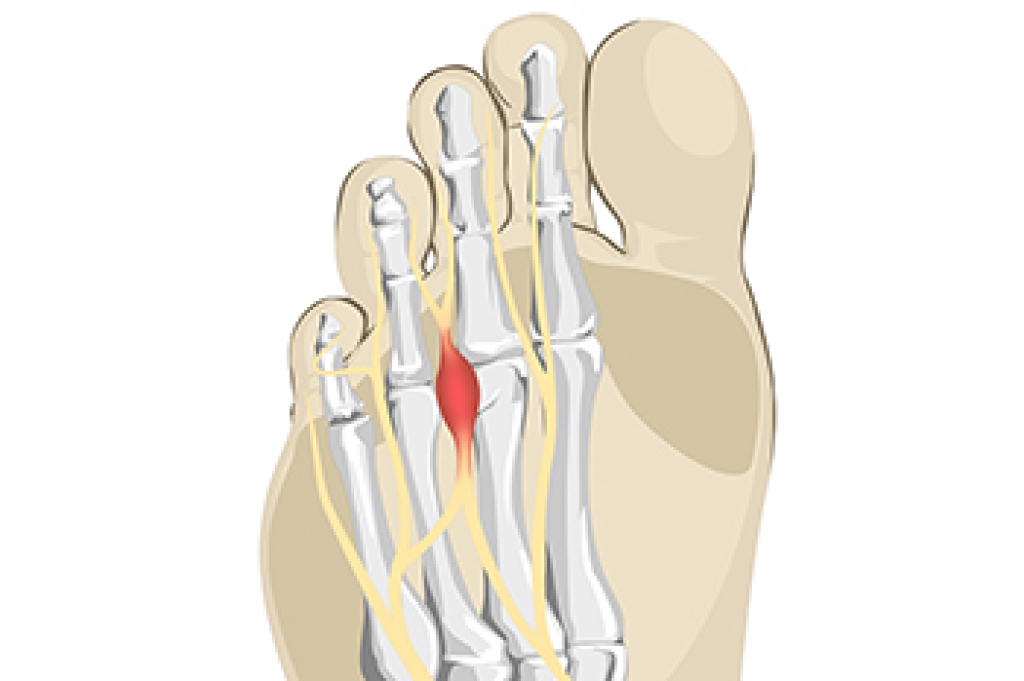
Read more about Plantar Fibroma

Plantar Warts Can Be Treated!

Plantar warts are small growths that develop on parts of the feet that bear weight. They're typically found on the bottom of the foot. Don't live with plantar warts, and call us today!

Understanding Morton’s Neuroma and Its Causes

Morton's neuroma, a condition that often goes undetected, can cause considerable discomfort and disrupt daily life. This condition involves a thickening of the tissue around a nerve that runs between the third and fourth toes, typically causing a sharp, burning pain in the ball of the foot. The causes of Morton's neuroma are multifaceted, often arising from repeated stress on the feet, and ill-fitting footwear that squeezes the toes. Additionally, reasons why Morton’s neuroma may develop can include having certain foot deformities that lead to pressure on the nerves. High heels and activities that involve repetitive forefoot impact can exacerbate the condition. Recognizing the factors that contribute to Morton's neuroma is the first step in seeking relief and adopting preventive measures to ensure continued foot health. If you have pain in this part of your foot, it is suggested that you confer with a podiatrist who can accurately diagnose and treat Morton’s neuroma. 

Morton’s neuroma is a very uncomfortable condition to live with. If you think you have Morton’s neuroma, contact Dr. Kennedy Legel of Advanced Foot & Ankle Care Specialists. Our doctor will attend to all of your foot care needs and answer any of your related questions.  

Morton’s Neuroma

Morton's neuroma is a painful foot condition that commonly affects the areas between the second and third or third and fourth toe, although other areas of the foot are also susceptible. Morton’s neuroma is caused by an inflamed nerve in the foot that is being squeezed and aggravated by surrounding bones.

What Increases the Chances of Having Morton’s Neuroma?

  • Ill-fitting high heels or shoes that add pressure to the toe or foot
  • Jogging, running or any sport that involves constant impact to the foot
  • Flat feet, bunions, and any other foot deformities

Morton’s neuroma is a very treatable condition. Orthotics and shoe inserts can often be used to alleviate the pain on the forefront of the feet. In more severe cases, corticosteroids can also be prescribed. In order to figure out the best treatment for your neuroma, it’s recommended to seek the care of a podiatrist who can diagnose your condition and provide different treatment options.

If you have any questions, please feel free to contact our office located in Dallas, TX . We offer the newest diagnostic and treatment technologies for all your foot care needs.

Read more about What is Morton's Neuroma?
scroll to top