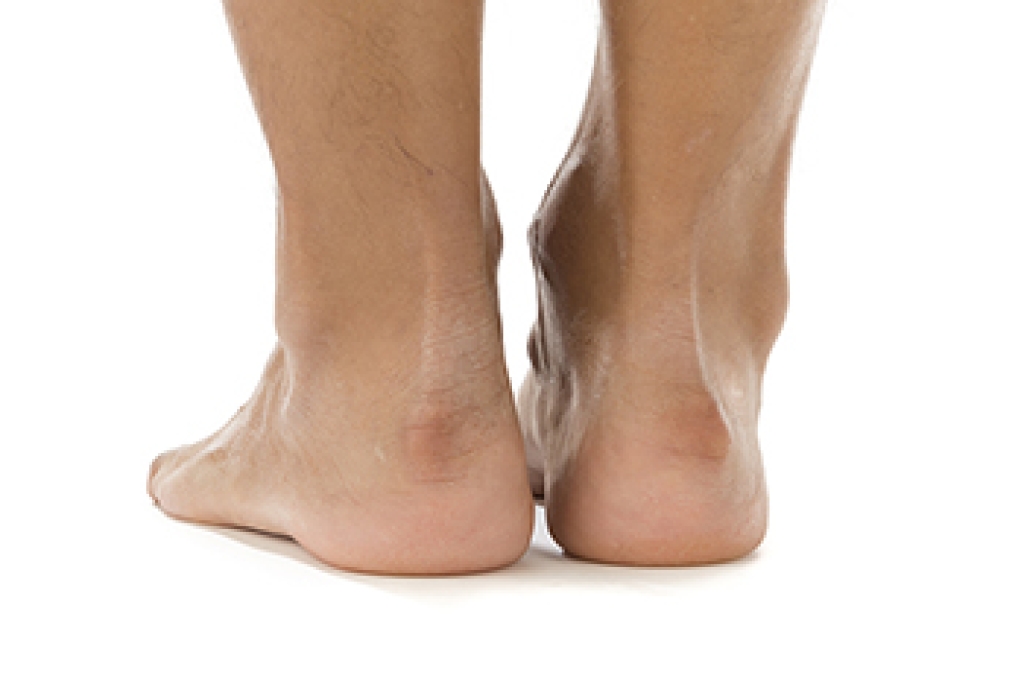
What Is Haglund’s Deformity?

Haglund's deformity, often called “Haglund's bump,” is a bony protrusion that forms on the back of the heel where the Achilles tendon attaches. This condition can cause discomfort and irritation, especially when wearing shoes that rub against the bump. It typically results from repetitive stress or pressure on the heel, often made worse by tight or rigid footwear. Treatment options for Haglund's deformity vary depending on the severity of the symptoms. Initial conservative measures include wearing cushioned, well-fitting shoes or using orthotic inserts. In more severe cases, specific exercises may be recommended to strengthen the surrounding muscles and improve flexibility. If conservative treatments fail, surgery might be considered to remove the bony protrusion or repair any associated tendon damage. For personalized advice and effective management of Haglund’s deformity, it is suggested you make an appointment with a podiatrist.

Some foot conditions may require additional professional care. If you have any concerns, contact Dr. Kennedy Legel of Advanced Foot & Ankle Care Specialists. Our doctor can provide the care you need to keep you pain-free and on your feet.

Rare Foot Conditions

The majority of foot conditions are common and can be treated by a podiatrist.  Standard diagnostic procedures are generally used to identify specific conditions and treatment can be rendered. A podiatrist also treats rare foot conditions which can be difficult to diagnose and may need extra attention and care. 

There are many rare foot conditions that can affect children. Some of these can include:

  • Freiberg’s disease
  • Kohler’s disease
  • Maffucci syndrome

Freiberg’s disease - This can be seen as a deterioration and flattening of a metatarsal bone that exists in the ball of the foot. It typically affects pre-teen and teenage girls, but can affect anyone at any age. Symptoms that can accompany this can be swelling, stiffness, and the patient may limp. 

Kohler’s disease - This often targets the bone in the arch of the foot and affects younger boys. It can lead to an interruption of the blood supply which ultimately can lead to bone deterioration. The patient may limp or experience tenderness, swelling, and redness.

Maffucci syndrome - This affects the long bones in a child’s foot leading to the development of abnormal bone lesions. They are benign growths and typically develop in early childhood and the bones may be susceptible to breaking. 

A podiatrist can properly diagnose and treat all types of rare foot conditions. If your child is affected by any of these symptoms or conditions, please don’t hesitate to call our office so the correct treatment method can begin.

If you have any questions, please feel free to contact our office located in Dallas, TX . We offer the newest diagnostic and treatment technologies for all your foot care needs.


Read more about Rare Foot Conditions

The Impact of Diabetes on Foot Health

Diabetes can significantly impact foot health, leading to serious complications. One major issue is neuropathy, where high blood sugar levels damage the nerves, resulting in a loss of feeling in the feet. This loss of sensation makes it difficult to detect injuries, and can lead to sores and blisters that may not heal properly. Peripheral vascular disease, another complication from diabetes, reduces blood flow to the extremities, causing wound-healing issues and increasing the risk of gangrene. Common symptoms include swelling of the feet and ankles, persistent pain, and noticeable changes in skin color. Regular foot inspections and prompt care from a podiatrist are essential for managing these risks. Addressing symptoms early and maintaining proper diabetes management can help prevent severe complications and maintain better overall foot health. It is strongly suggested that diabetic patients be under the care of a podiatrist who can help you manage diabetic foot problems.

Diabetic foot care is important in preventing foot ailments such as ulcers. If you are suffering from diabetes or have any other concerns about your feet, contact Dr. Kennedy Legel from Advanced Foot & Ankle Care Specialists. Our doctor can provide the care you need to keep you pain-free and on your feet.

Diabetic Foot Care

Diabetes affects millions of people every year. The condition can damage blood vessels in many parts of the body, especially the feet. Because of this, taking care of your feet is essential if you have diabetes, and having a podiatrist help monitor your foot health is highly recommended.

The Importance of Caring for Your Feet

  • Routinely inspect your feet for bruises or sores.
  • Wear socks that fit your feet comfortably.
  • Wear comfortable shoes that provide adequate support.

Patients with diabetes should have their doctor monitor their blood levels, as blood sugar levels play such a huge role in diabetic care. Monitoring these levels on a regular basis is highly advised.

It is always best to inform your healthcare professional of any concerns you may have regarding your feet, especially for diabetic patients. Early treatment and routine foot examinations are keys to maintaining proper health, especially because severe complications can arise if proper treatment is not applied.

If you have any questions, please feel free to contact our office located in Dallas, TX . We offer the newest diagnostic and treatment technologies for all your foot care needs.

Read more about Diabetic Foot Conditions

Understanding Foot Pain While Skateboarding

Foot pain while skateboarding can stem from several factors. The impact from landing tricks puts significant stress on the feet, often leading to soreness or injuries. Wearing proper footwear is vital, as skate shoes designed with ample cushioning and support can help absorb shock and reduce pain. Without the right shoes, the feet are more vulnerable to bruising and stress fractures. Ankle rolls are another common issue, where improper landings or sudden movements cause the ankle to twist, leading to pain and potential injury. Landing primo, where the skateboard flips and lands awkwardly on the edge, can also cause sharp pain and damage to the feet. If you have sustained a foot or ankle injury while skateboarding, it is suggested that a podiatrist is visited as quickly as possible to ensure a rapid recovery.

Ankle and foot injuries are common among athletes and in many sports. They can be caused by several problems and may be potentially serious. If you are feeling pain or think you were injured in a sporting event or when exercising, consult with Dr. Kennedy Legel from Advanced Foot & Ankle Care Specialists. Our doctor will assess your condition and provide you with quality foot and ankle treatment.

Common Injuries

The most common injuries that occur in sporting activities include:

  • Achilles Tendonitis
  • Achilles Tendon Rupture
  • Ankle Sprains
  • Broken Foot
  • Plantar Fasciitis
  • Stress Fractures
  • Turf Toe

Symptoms

Symptoms vary depending upon the injury and in some cases, there may be no symptoms at all. However, in most cases, some form of symptom is experienced. Pain, aching, burning, bruising, tenderness, tightness or stiffness, sensation loss, difficulty moving, and swelling are the most common symptoms.

Treatment

Just as symptoms vary depending upon the injury, so do treatment options. A common treatment method is known as the RICE method. This method involves rest, applying ice, compression and elevating the afflicted foot or ankle. If the injury appears to be more serious, surgery might be required, such as arthroscopic or reconstructive surgery. Lastly, rehabilitation or therapy might be needed to gain full functionality in the afflicted area. Any discomfort experienced by an athlete must be evaluated by a licensed, reputable medical professional.  

If you have any questions please contact our office located in Dallas, TX . We offer the newest diagnostic and treatment technologies for all your foot and ankle needs.

Read more about Sports Related Foot and Ankle Injuries

Plantar Warts Can Be Treated!

Plantar warts are small growths that develop on parts of the feet that bear weight. They're typically found on the bottom of the foot. Don't live with plantar warts, and call us today!

Ingrown Toenail Pain

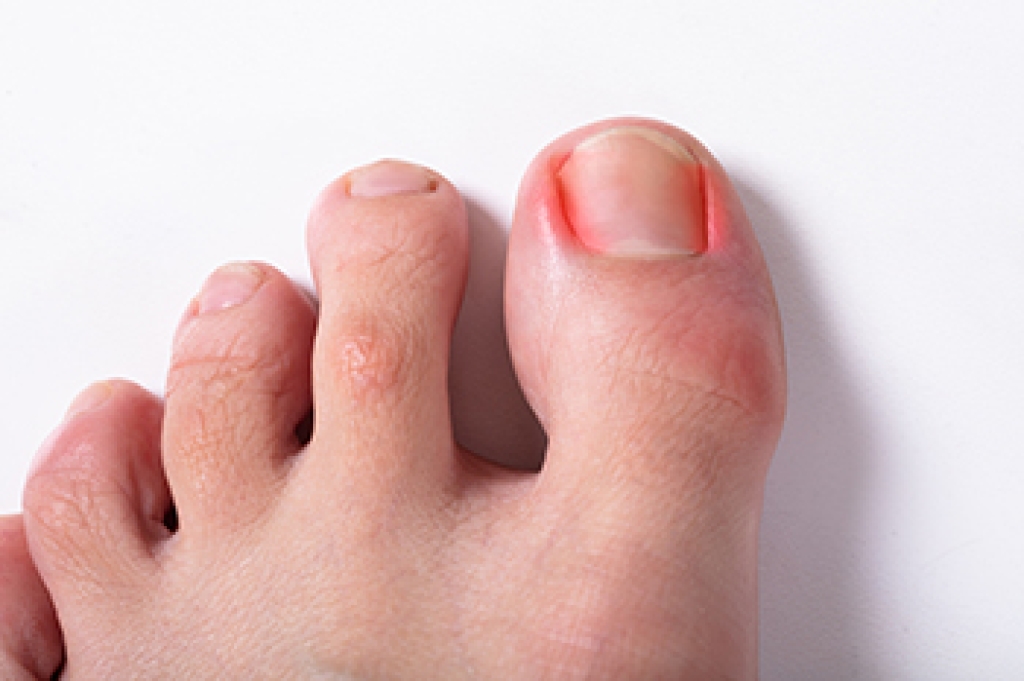
Ingrown toenails occur when the edge of a toenail grows into the surrounding skin, leading to pain, redness or swelling, and sometimes infection. This condition is commonly caused by improper nail trimming, tight shoes, or toenail injuries. Initial treatment often includes soaking the foot in warm, soapy water to reduce inflammation and alleviate discomfort. Applying an over-the-counter antibiotic ointment and keeping the area clean can help manage infection. For more severe cases, a podiatrist might need to trim or remove part of the toenail and possibly prescribe medication to address infection or pain. To prevent future ingrown toenails, it’s important to cut toenails straight across and wear well-fitting shoes. Persistent or recurring ingrown toenails should be evaluated by a podiatrist. They can provide specialized care to relieve pain, treat infections, and offer advice on preventing future issues. If you have a problematic ingrown toenail, it is suggested you make an appointment with a podiatrist.

Ingrown toenails can become painful if they are not treated properly. For more information about ingrown toenails, contact Dr. Kennedy Legel of Advanced Foot & Ankle Care Specialists. Our doctor can provide the care you need to keep you pain-free and on your feet.

Ingrown Toenails

Ingrown toenails occur when a toenail grows sideways into the bed of the nail, causing pain, swelling, and possibly infection.

Causes

  • Bacterial infections
  • Improper nail cutting such as cutting it too short or not straight across
  • Trauma to the toe, such as stubbing, which causes the nail to grow back irregularly
  • Ill-fitting shoes that bunch the toes too close together
  • Genetic predisposition

Prevention

Wearing proper fitting shoes and using proper cutting techniques will also help decrease your risk of developing ingrown toenails.

Treatment

Ingrown toenails are a very treatable foot condition. In minor cases, soaking the affected area in salt or antibacterial soaps will not only help with the ingrown nail itself, but also help prevent any infections from occurring. In more severe cases, surgery is an option. In either case, speaking to your podiatrist about this condition will help you get a better understanding of specific treatment options that are right for you.

If you have any questions, please feel free to contact our office located in Dallas, TX . We offer the newest diagnostic and treatment technologies for all your foot care needs.
Read more about Ingrown Toenails
scroll to top