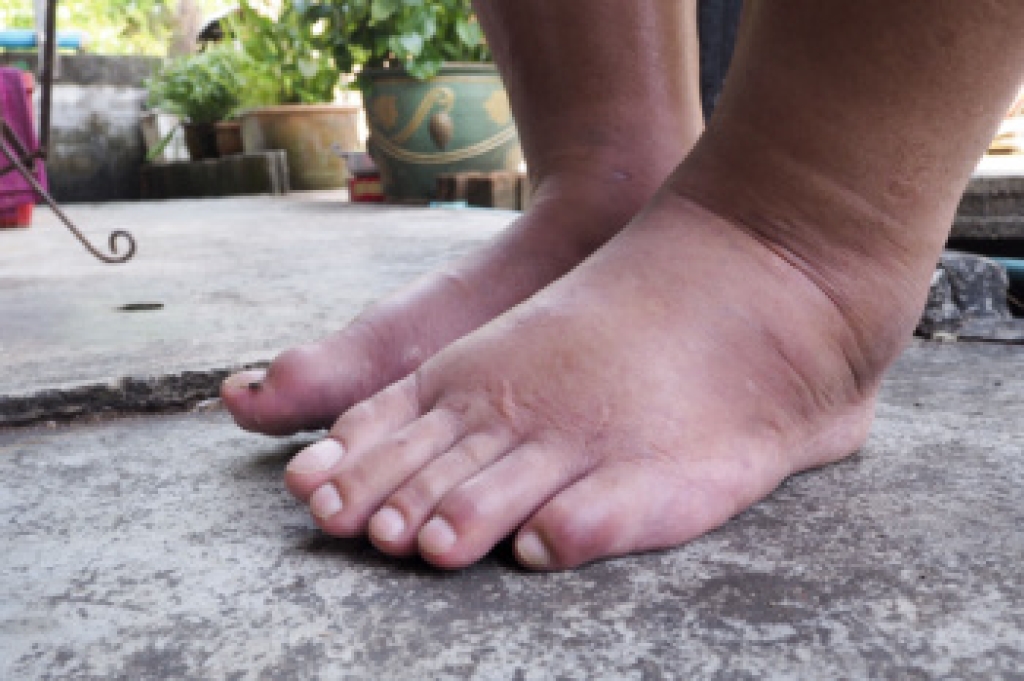
Causes of Swollen Ankles and Feet

Swollen ankles and feet can result from a variety of causes that should not be ignored. Cardiovascular concerns, such as poor circulation or heart disease, may lead to fluid buildup. Hormonal changes, particularly during pregnancy or menopause, can also contribute. Additionally, certain medications like those for blood pressure or diabetes may trigger swelling, while lymphatic issues can cause fluid to collect in the tissues. Infections in the feet or ankles can create localized swelling along with pain and redness. Risk factors include obesity, prolonged standing, age, and chronic medical conditions. A podiatrist can identify the underlying cause, provide treatment, and recommend preventive care. If you have swollen feet or ankles, it is suggested that you consult a podiatrist who can offer effective relief and treatment solutions.

Swollen feet can be a sign of an underlying condition. If you have any concerns, contact Dr. Kennedy Legel of Advanced Foot & Ankle Care Specialists. Our doctor can provide the care you need to keep you pain-free and on your feet.

Swollen feet are a common ailment among pregnant women and people who stand or sit for extended periods. Aging may increase the possibility of swollen feet and patients who are obese often notice when their feet are swelling too. There may be medical reasons why swollen feet occur:

  • Phlebitis - A condition that causes the veins to become inflamed and can also cause leg pain.
  • Liver disease - This may lead to low blood levels of albumin which is a protein. This can cause fluid in the blood to pass into the tissues and several areas of the body can become swollen.
  • Heart failure - When the heart doesn’t pump properly the blood that is normally pumped back to the heart can pool in the veins of the legs causing swollen feet.
  • Kidney disease - One of the main functions of the kidneys is releasing excess fluid in the body. This type of condition can make it difficult for the kidneys to function properly, and as a result the feet may become swollen.
  • Deep-vein thrombosis (DVT)- This is a serious condition where blood clots form in the veins of the legs. They can block the return of blood from the legs to the heart which may cause the feet to swell. It is important to be treated by a podiatrist if this condition is present.

Swollen feet can also be caused by bone and tendon conditions, including fractures, arthritis, and tendinitis. Additionally, there may be skin and toenail conditions and an infection may cause the feet to swell. Patients who take medicine to treat high blood pressure may be prone to getting swollen feet. 

Many patients elevate their feet to help relieve the swelling and this is generally a temporary remedy. When a podiatrist is consulted the reason behind the swelling can be uncovered and subsequently treated.

If you have any questions please contact our office located in Dallas, TX . We offer the newest diagnostic and treatment technologies for all your foot and ankle needs.


Read more about Swelling of the Feet

Ways Rheumatoid Arthritis Can Affect Your Feet

Rheumatoid arthritis is an autoimmune condition that often causes significant problems in the feet and ankles. The disease targets the lining of the joints, leading to chronic inflammation that can result in swelling, pain, and stiffness. In the feet, rheumatoid arthritis frequently affects the smaller joints, such as those around the toes, making walking and standing uncomfortable. Over time, persistent inflammation can weaken supportive tissues, causing deformities like bunions, hammertoes, or collapsed arches. These changes may alter the way weight is distributed across the feet, leading to additional stress on bones and joints. Morning stiffness, lasting more than an hour, is a common complaint but may gradually improve with movement. Left untreated, rheumatoid arthritis can lead to progressive joint damage, instability, and in severe cases, loss of mobility. A podiatrist can help identify early signs, recommend proper foot support, and discuss treatment options to protect joint function. If you are experiencing symptoms of rheumatoid arthritis in your feet and ankles, it is suggested that you make an appointment with a podiatrist for an exam, diagnosis and appropriate treatment.

Because RA affects more than just your joints, including the joints in your feet and ankles, it is important to seek early diagnosis from your podiatrist if you feel like the pain in your feet might be caused by RA. For more information, contact Dr. Kennedy Legel of Advanced Foot & Ankle Care Specialists. Our doctor will assist you with all of your podiatric concerns.

What Is Rheumatoid Arthritis?

Rheumatoid Arthritis (RA) is an autoimmune disorder in which the body’s own immune system attacks the membranes surrounding the joints. Inflammation of the lining and eventually the destruction of the joint’s cartilage and bone occur, causing severe pain and immobility.

Rheumatoid Arthritis of the Feet

Although RA usually attacks multiple bones and joints throughout the entire body, almost 90 percent of cases result in pain in the foot or ankle area.

Symptoms

  • Swelling and pain in the feet
  • Stiffness in the feet
  • Pain on the ball or sole of feet
  • Joint shift and deformation

Diagnosis

Quick diagnosis of RA in the feet is important so that the podiatrist can treat the area effectively. Your doctor will ask you about your medical history, occupation, and lifestyle to determine the origin of the condition. Rheumatoid Factor tests help to determine if someone is affected by the disease.

If you have any questions, please feel free to contact our office located in Dallas, TX . We offer the newest diagnostic and treatment technologies for all your foot care needs.

Read more about Rheumatoid Arthritis in the Feet

Finding Comfort on Arthritic Feet

Arthritis in the feet and ankles can make even simple steps feel difficult. Stiffness may limit motion in the joints, while swelling and tenderness can create ongoing discomfort. As the protective cartilage wears down, bones may rub together and lead to further pain. The changes often affect balance and endurance, making long walks or standing for extended periods of time challenging. Shoes that once felt comfortable may no longer provide enough support, and uneven pressure on the foot can increase fatigue. Walking aids or custom orthotics are sometimes needed to reduce strain and improve stability. Gentle activity, however, often helps keep joints moving and prevents further stiffness. Since arthritis affects each person differently, professional guidance from a podiatrist can make a significant difference. If walking is becoming painful due to arthritis, it is suggested that you visit this type of doctor for effective relief and management tips. 

Arthritis can be a difficult condition to live with. If you are seeking treatment, contact Dr. Kennedy Legel from Advanced Foot & Ankle Care Specialists. Our doctor can provide the care you need to keep you pain-free and on your feet.

Arthritic Foot Care  

Arthritis is a joint disorder that involves the inflammation of different joints in your body, such as those in your feet. Arthritis is often caused by a degenerative joint disease and causes mild to severe pain in all affected areas. In addition to this, swelling and stiffness in the affected joints can also be a common symptom of arthritis.

In many cases, wearing ill-fitting shoes can worsen the effects and pain of arthritis. Wearing shoes that have a lower heel and extra room can help your feet feel more comfortable. In cases of rheumatoid arthritis, the arch in your foot may become problematic. Buying shoes with proper arch support that contour to your feet can help immensely.

Alleviating Arthritic Pain

  • Exercises that stretch the foot can prevent further pain and injury and increase mobility
  • Most of the pain can be alleviated with anti-inflammatory drugs, heat, and topical medications
  • Massages can help temporarily alleviate pain.

It is best to see your doctor for the treatment that is right for your needs and symptoms. Conditions vary, and a podiatrist can help you determine the right method of care for your feet.

If you have any questions please feel free to contact our office located in Dallas, TX . We offer the newest diagnostic tools and technology to treat your foot and ankle needs.

Read more about Arthritic Foot Care

Understanding Friction Blisters on the Feet

Friction blisters are small fluid-filled pockets that form on the skin, often caused by rubbing, heat, or moisture. They commonly develop on the feet from wearing tight or ill-fitting shoes, walking or running long distances, or wearing damp socks. The friction causes the layers of skin to separate, allowing fluid to collect and form a bubble-like sore. Symptoms include redness, tenderness, swelling, and a clear or sometimes bloody fluid inside. Blisters may be painful, especially when pressure is applied, and can become infected if popped or cared for improperly. Infected blisters may appear red, warm, or filled with pus. A podiatrist can diagnose the type and severity of a blister and determine if there is an underlying cause like poor foot mechanics or inappropriate footwear. Treatment includes draining the blister safely to prevent infection, recommending footwear changes, or applying protective padding. If you have a painful friction blister, it is suggested that you schedule an appointment with a podiatrist for effective prevention tips and  treatment solutions.

Blisters are prone to making everyday activities extremely uncomfortable. If your feet are hurting, contact Dr. Kennedy Legel of Advanced Foot & Ankle Care Specialists. Our doctor can provide the care you need to keep you pain-free and on your feet.

Foot Blisters

Foot blisters develop as a result of constantly wearing tight or ill-fitting footwear. This happens due to the constant rubbing from the shoe, which can often lead to pain.

What Are Foot Blisters?

A foot blister is a small fluid-filled pocket that forms on the upper-most layer of the skin. Blisters are filled with clear fluid and can lead to blood drainage or pus if the area becomes infected.

How Do Blisters Form?

Blisters on the feet are often the result of constant friction of skin and material, usually by shoe rubbing. Walking in sandals, boots, or shoes that don’t fit properly for long periods of time can result in a blister. Having consistent foot moisture and humidity can easily lead to blister formation.

Prevention & Treatment

It is important to properly care for the affected area in order to prevent infection and ease the pain. Do not lance the blister and use a Band-Aid to provide pain relief. Also, be sure to keep your feet dry and wear proper fitting shoes. If you see blood or pus in a blister, seek assistance from a podiatrist.

If you have any questions, please feel free to contact our office located in Dallas, TX . We offer the newest diagnostic and treatment technologies for all your foot care needs.

Read more about Blisters on the Feet

Plantar Warts Can Be Treated!

Plantar warts are small growths that develop on parts of the feet that bear weight. They're typically found on the bottom of the foot. Don't live with plantar warts, and call us today!

scroll to top