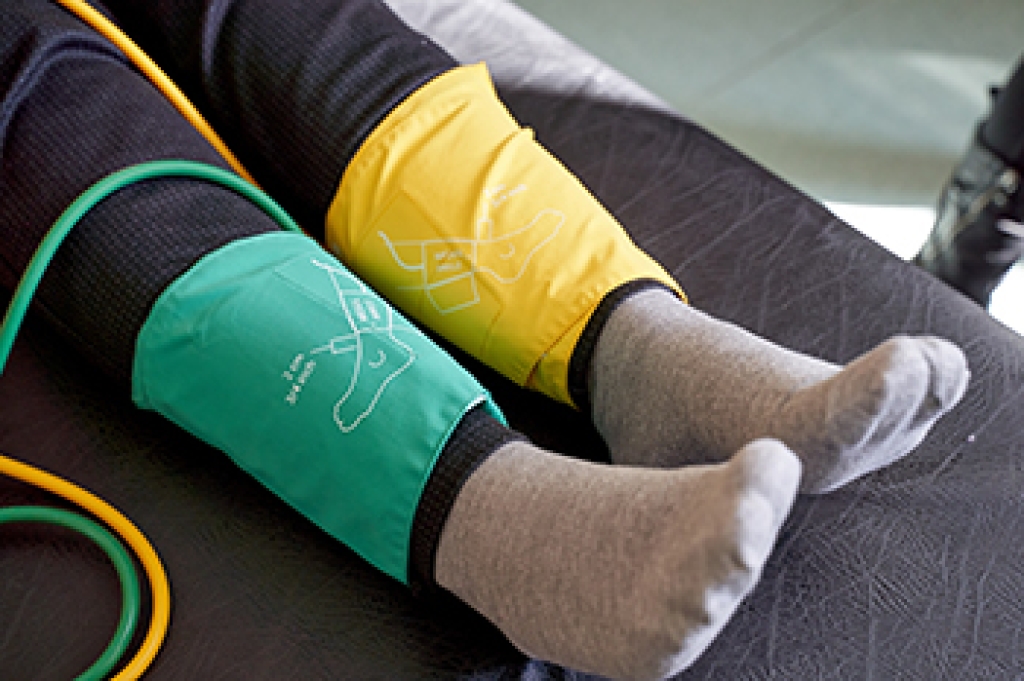
Some diseases that affect the entire body can also produce noticeable problems in the feet. Peripheral artery disease, or PAD, is one example. PAD develops when atherosclerosis causes arteries in the legs to become narrowed. Atherosclerosis is the buildup of fatty material called plaque inside artery walls. As the arteries narrow, less blood can reach the lower legs and feet. Some people with PAD have no noticeable symptoms, while others experience discomfort when walking. Because the feet are far from the heart, circulation problems can become especially noticeable in this area of the body.
Foot-related signs of peripheral artery disease can become more serious as blood flow decreases. The feet may feel cool, while the skin can become thin or pale. Hair loss may also occur on the lower legs and feet. Some people develop aching or burning pain even while resting. More advanced PAD can lead to painful sores on the toes or heels that may have difficulty healing. Severe loss of circulation can eventually damage tissue. PAD is considered a systemic disorder because atherosclerosis may affect arteries elsewhere in the body as well. Diabetes, high blood pressure, and increasing age are among the factors associated with greater PAD risk.
A podiatrist can play an important role in recognizing changes in the feet that may indicate poor circulation. A foot examination can identify skin changes, sores, or abnormal pulses that may require further medical evaluation. Testing may also be needed to determine how well blood is reaching the lower extremities. Because reduced circulation can interfere with healing, professional foot care is particularly important when wounds or other skin problems develop. A podiatrist can provide appropriate foot care while coordinating with other medical professionals when necessary. If you notice persistent foot pain, skin changes, or slow-healing sores, it is suggested that you consult a podiatrist for an evaluation and appropriate treatment options.
When dealing with systemic disease of the feet, it is extremely important to check the affected areas routinely so that any additional problems are caught quickly. If you have any concerns about your feet and ankles contact Dr. Kennedy Legel from Advanced Foot & Ankle Care Specialists. Our doctor will assist you with all of your podiatric needs.
Systemic Diseases of the Feet
Systemic diseases affect the whole body, and symptoms usually are displayed in the feet. This condition can make a patient’s ability to walk unbearable. Systemic diseases include gout, diabetes mellitus, neurological disorders, and arthritis.
Gout – is caused by an excess of uric acid in the body. Common symptoms include pain, inflammation, and redness at the metatarsal/phalangeal joint of the base big toe. Gout can be treated by NSAIDs to relieve pain and inflammation, and other drugs that lower the acid levels in the body.
Diabetes mellitus – is an increase in the level of blood sugar that the body cannot counteract with its own insulin. Failure to produce enough insulin is a factor in Diabetes.
Diabetes of the Feet
Diabetic Neuropathy – may lead to damaged nerves and affect the feet through numbness and loss of sensation.
Peripheral Vascular Disease – can restrict the blood flow to the feet, and often times lead to amputation of the feet.
If you have any questions please contact our office located in Dallas, TX . We offer the newest diagnostic and treatment technologies for all your foot and ankle needs.
